
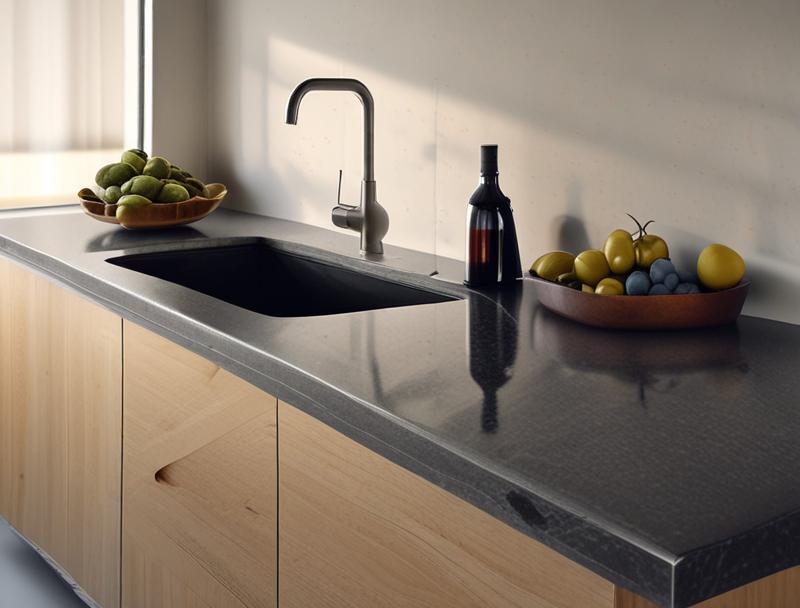
Granite countertops look great, but sometimes they get stained. Many people wonder how to remove stains from granite countertops because they worry about making it worse. It can seem tricky to clean without damaging the stone.
But don’t worry! We’ll show you easy steps to get those tough spots out and make your granite shine again. Keep reading to learn simple tricks that work.
Understanding Granite Countertop Stains
Granite is a popular choice for kitchens and bathrooms because it’s tough and looks beautiful. However, it’s a natural stone, and like all natural materials, it can absorb liquids. This absorption is what leads to stains.
When a spill happens, especially with colored liquids like red wine, coffee, or oil, the granite can soak it up. Once it soaks in, the color can be left behind, creating a visible mark.
Different types of spills leave different kinds of stains. For example, oil-based stains, like grease from cooking, can make the granite look darker. Water stains, often seen around sinks, can leave behind mineral deposits.
Organic stains, like from fruit or coffee, might leave a brownish or yellowish tint. Knowing what kind of stain you have is the first step to figuring out the best way to clean it. It’s like being a detective for your kitchen!
Types of Common Granite Stains
Let’s look at the usual suspects when it comes to staining your beautiful granite. Each one needs a slightly different approach to get it out effectively without harming the stone.
- Oil-Based Stains: These are often the trickiest to spot at first. They show up as dark spots or areas that look “damp” on the granite. Cooking oil, butter, or even certain lotions can cause these. The oil penetrates the pores of the granite, making it appear darker than the surrounding area. The longer the oil sits, the deeper it can soak in, making it harder to remove. Think of it like a grease stain on your favorite shirt; it needs a special touch to lift it.
- Organic Stains: Coffee, tea, fruit juice, wine, and food spills are common culprits. These usually leave a pinkish-brown or yellowish tint. They’re called organic because they come from plant or animal matter. These stains are generally easier to remove than oil-based ones because they don’t penetrate as deeply or as stubbornly. However, they can still be quite noticeable on lighter granite.
- Water Spots and Rings: These often appear around faucets or where glasses are frequently placed. They are usually caused by minerals in the water (hard water stains) or by liquids left to sit. Sometimes they look like dull, chalky marks. If left for a long time, especially in areas with high mineral content in the water, they can etch the surface slightly or leave behind a film.
- Metal Stains: If you have iron or copper items on your countertop, like old cans or cookware, they can leave rust-colored or greenish stains. These are less common but can be very noticeable, especially on lighter granite. The metal can react with moisture and bleed its color into the stone.
- Ink Stains: Pen or marker ink can also transfer onto granite, especially if the seal is not perfect. These can be dark blue, black, or other colors depending on the ink. They tend to sit more on the surface but can still soak in if left unattended.
How Granite Absorbs Stains
Granite is a natural stone formed over millions of years. It’s made up of various minerals, which gives it its unique patterns and colors. Because it’s natural, it’s porous.
This means it has tiny little holes, like a sponge, that can absorb liquids. When a liquid spills, it can seep into these pores.
The granite surface is usually sealed to help prevent this. A sealant acts like a protective barrier, filling in those tiny pores so liquids can’t easily get in. However, over time, this seal can wear down, especially with regular use, cleaning products, and exposure to acids or harsh chemicals.
When the seal is weak, spills have a much easier time soaking into the stone, leading to stains.
Think about a brand-new sponge versus an old, dry one. The new sponge soaks up water quickly. The old, dry one might repel it a bit at first, but if it’s used a lot, it will eventually absorb liquids.
Your granite works in a similar way. A well-sealed countertop will allow you to wipe up spills quickly, preventing them from soaking in and causing trouble.
Effective Methods for Stain Removal
Dealing with granite stains doesn’t have to be a headache. With the right approach, you can lift most common stains and restore your countertops to their former glory. The key is to be gentle and persistent, using methods that draw the stain out of the stone rather than just wiping the surface.
For most stains, a poultice is your best friend. A poultice is essentially a paste made from an absorbent material and a cleaning agent. You apply this paste to the stain, cover it, and let it dry.
As it dries, it pulls the stain out of the granite and into the poultice material. It sounds like magic, but it’s a well-established technique for cleaning porous stone.
The type of cleaning agent you use in your poultice depends on the type of stain. For oil-based stains, you’ll want something that can break down grease. For organic stains, a mild bleach or hydrogen peroxide might be effective.
Always test any cleaning solution in an inconspicuous spot first to make sure it doesn’t discolor your granite.
Creating and Using a Poultice
A poultice is a powerful tool for removing stains from granite. It works by drawing the stain out of the stone. You can easily make one at home with common materials.
The absorbent part of the poultice soaks up the liquid stain as it dries, effectively lifting it from the granite’s pores.
To make a poultice, you need an absorbent material and a cleaning solution. Common absorbent materials include baking soda, white flour, diatomaceous earth, or even paper towels. For the cleaning solution, the choice depends on the stain type.
For general stains, you might use water. For tougher stains, hydrogen peroxide or a mild degreaser could be used.
Mix your chosen absorbent material with the cleaning solution to create a thick paste, like peanut butter or toothpaste. It shouldn’t be too runny or too dry. Apply this paste generously over the stained area, making sure it’s about a quarter to half an inch thick and extends a little beyond the stain’s edges.
Cover the poultice with plastic wrap and tape down the edges. Poke a few small holes in the plastic wrap to allow air to circulate, which helps the poultice dry out.
Let the poultice sit for at least 24 to 48 hours. During this time, the paste will dry and harden, pulling the stain out of the granite. Once it’s completely dry, gently scrape off the hardened paste with a plastic scraper or spatula.
Rinse the area with clean water and dry it with a soft cloth. You might need to repeat the process if the stain is stubborn or doesn’t come out completely the first time.
Specific Stain Treatments
Different stains need different cures. Here’s how to tackle common problems:
- Oil Stains: For grease or oil stains, a poultice made with baking soda and acetone (nail polish remover without dyes) or ammonia works well. Mix baking soda with enough acetone or ammonia to form a paste. Apply, cover, and let dry for 24-48 hours. Acetone is a strong solvent that helps break down oils. Ammonia is alkaline and can also help lift grease.
- Organic Stains (Coffee, Tea, Wine, Fruit): Try a poultice made with baking soda and hydrogen peroxide. Hydrogen peroxide is a mild bleaching agent that can lighten organic stains. Mix baking soda with 12% hydrogen peroxide (found at beauty supply stores, or use standard 3% and be patient) to a paste consistency. Apply and let dry for 24-48 hours. For very light granite, you can sometimes get away with just applying hydrogen peroxide directly with a cloth and letting it sit, but a poultice is safer.
- Water Spots: For mineral deposits, you can try a poultice made with baking soda and water. If that doesn’t work, a mild acidic cleaner like a diluted vinegar solution (use sparingly and rinse immediately) might help. However, acids can etch granite, so be cautious. A poultice with baking soda and a bit of water is generally the safest first step.
- Rust Stains: These are tougher. You might need a commercial rust remover specifically designed for granite, or a poultice made with diatomaceous earth and a rust-removing chemical (follow product instructions carefully). Some DIY recipes suggest using a paste of baking soda and mineral spirits, but always test in a hidden spot first.
When to Call a Professional
While most stains can be managed with DIY methods, there are times when it’s best to call in the experts. If you have a very old or deep stain that won’t budge after a few attempts, a professional stone restorer might have specialized tools and chemicals. They can also assess if the stain has actually etched or damaged the surface of the granite, which might require professional resurfacing.
Also, if you’re dealing with a large area of staining, or if the stain is on a particularly delicate or expensive piece of granite, it might be worth the investment to hire someone. They have the experience to avoid making the problem worse. They can often identify the cause of the stain and the best way to remove it safely.
Preventing Future Granite Stains
The best way to deal with granite stains is to prevent them from happening in the first place. A little bit of regular care can go a long way in keeping your countertops looking beautiful for years to come.
Regular sealing is your first line of defense. Over time, the sealant on your granite wears down. How often you need to reseal depends on the type of granite, the sealant used, and how heavily the countertops are used.
A good rule of thumb is to reseal every 1-3 years.
Another key is quick cleanup. Don’t let spills sit. Wipe them up immediately with a soft cloth and a pH-neutral cleaner.
Avoid harsh chemicals, abrasive scrubbers, and acidic cleaners, as these can damage the sealant or even etch the granite itself.
The Importance of Sealing
Sealing is like giving your granite a protective shield. Think of it as rain boots for your countertops. Granite is porous, meaning it has tiny little holes that liquids can seep into.
When liquids like wine, oil, or juice spill, they can soak into these holes and cause stains.
A sealant fills these tiny pores. It creates a barrier that repels liquids, giving you more time to wipe up spills before they can soak in and leave a mark. A properly sealed countertop will bead up water on its surface.
If water soaks in and darkens the stone, it’s a sign that the sealant is wearing off and it’s time to reseal.
The frequency of sealing depends on a few factors. The type of granite matters; some are naturally denser and absorb less. The quality of the sealant used also plays a role.
Heavy use, especially around sinks and cooking areas, and frequent cleaning with harsh chemicals can wear down the seal faster. Generally, resealing every 1 to 3 years is a good practice.
Daily Cleaning and Maintenance Habits
Keeping your granite countertops clean and stain-free doesn’t require a lot of effort, but consistency is key. Simple daily habits can make a huge difference in preserving their beauty and preventing stubborn stains.
Start with the basics: Use a soft cloth or sponge and a mild, pH-neutral cleaner. Many dish soaps are pH-neutral and safe for granite. You can also buy specialized granite cleaners.
Wipe down your countertops after each use, especially after preparing food or in areas prone to spills.
Avoid harsh chemicals. Products containing ammonia, bleach, or abrasive powders can damage the sealant and even scratch the granite surface. Never use abrasive scrub pads; stick to soft cloths or sponges.
For everyday messes, warm water and a bit of mild dish soap are usually all you need.
Wipe up spills immediately. This is probably the most important tip. Don’t let coffee, wine, oil, or juice sit on the surface.
Even with a good seal, prolonged contact can eventually lead to staining, especially with acidic or deeply colored liquids. Keeping a designated cloth handy for quick spill cleanups can be very helpful.
Don’t place hot pots or pans directly on the granite. While granite is heat-resistant, extreme temperature changes can cause thermal shock, leading to cracks or discoloration. Always use trivets or hot pads to protect your countertops.
Protecting Your Granite from Damage
Beyond regular cleaning and sealing, there are other steps you can take to protect your granite countertops from damage and staining. These habits are simple but effective in keeping your stone looking its best.
- Use Cutting Boards: Always use cutting boards when chopping or slicing food. While granite is hard, knives can scratch its surface over time, dulling its shine. Scratches can also make the stone more susceptible to staining because they create tiny crevices for liquids to enter.
- Be Mindful of Acidic Foods and Drinks: Things like lemon juice, vinegar, and tomato sauce are acidic. If they sit on granite for too long, they can etch the surface, leaving a dull spot. This is especially true if the sealant is weak. Wipe these up immediately.
- Avoid Placing Heavy or Sharp Objects Carelessly: While granite is durable, dropping very heavy items on it could potentially chip or crack it, especially near the edges or cutouts for sinks. Be careful when moving appliances or heavy pots.
- Clean Spills Promptly: We’ve said it before, but it’s worth repeating! This is the single most important thing you can do. Think of spills as little emergencies that need immediate attention. A quick wipe-down can save you a lot of effort later.
Common Mistakes to Avoid
When you’re trying to clean your granite, it’s easy to make a mistake that could damage your countertops. Knowing what not to do is just as important as knowing what to do.
One of the biggest pitfalls is using the wrong cleaning products. Many common household cleaners are too harsh for granite. They can strip away the sealant, etch the stone, or even cause discoloration.
This is why it’s always recommended to use pH-neutral cleaners or products specifically designed for natural stone.
Another mistake is scrubbing too hard with abrasive materials. While granite is tough, you can still scratch or dull its finish with rough sponges or scouring pads. Gentle cleaning with a soft cloth is usually sufficient for daily messes and won’t harm the stone.
Not testing cleaning solutions before applying them to the entire stained area is also a common error. What works on one type of granite might not work on another, or it might react differently with the specific minerals in your stone. Always test in a small, inconspicuous spot first.
Using the Wrong Cleaning Products
This is perhaps the most common mistake people make. Your instinct might be to grab the strongest cleaner you have for a tough stain, but that can backfire spectacularly on granite. Many everyday cleaning products are simply too aggressive for natural stone.
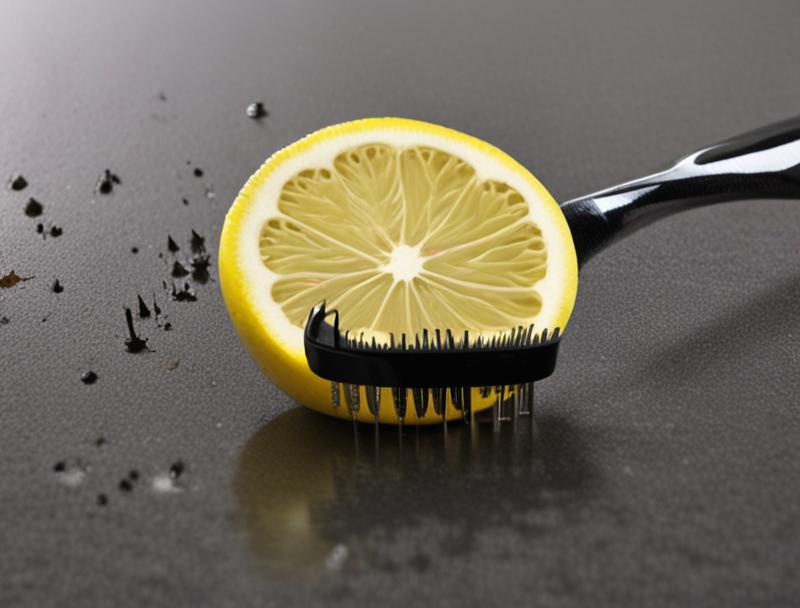
Products containing acids (like vinegar or lemon juice based cleaners), strong alkalis (like ammonia or oven cleaners), or abrasives (like scouring powders) can damage your granite countertops. Acids can etch the surface, leaving dull spots that look like damage. Ammonia can break down the sealant, making your granite more vulnerable to future stains.
Abrasive cleaners can scratch the finish, making the stone look dull and worn.
Even some “natural” cleaners can be problematic. For example, while baking soda is often used in DIY poultices, using it as a general abrasive cleaner or leaving it on for too long without rinsing can potentially dull the surface. Always err on the side of caution and use cleaners specifically labeled as safe for natural stone or granite.
Abrasive Scrubbing and Tools
Granite is a hard stone, but its polished surface can still be scratched. Using abrasive scrubbers or tools is a sure way to dull its shine and potentially create tiny scratches that make it more prone to staining.
Think about the difference between polishing a car’s paint job and scrubbing a cast-iron pan. You wouldn’t use steel wool on a car’s paint, and you shouldn’t use abrasive pads on your granite. Steel wool, stiff brushes, or even the rough side of some sponges can leave micro-scratches.
These aren’t always visible at first glance, but they accumulate over time, reducing the natural luster of your countertops.
Instead of scrubbing, focus on gentle wiping with a soft cloth or sponge. For tougher grime that might be stuck on, let a gentle cleaner or a poultice do the work. Patience is more effective than brute force when it comes to cleaning granite.
If something is really stuck, reapply a damp cloth or a safe cleaner and let it sit for a few minutes before gently wiping it away.
Ignoring the Sealant
The sealant is your granite’s first line of defense against stains. If you ignore the sealant, you’re leaving your countertops vulnerable. It’s like going out in the rain without an umbrella.
Even if you’re careful, you’re more likely to get wet (or stained!).
Many people don’t realize that sealants wear off over time. They can be diminished by regular cleaning, especially with harsh chemicals, and by everyday wear and tear. If you haven’t resealed your granite in a year or two, or if you notice water is no longer beading on the surface, your sealant is likely failing.
When the sealant is weak, spills can penetrate the stone much more easily. This means that even quick spills can become difficult stains. Regularly checking the seal and resealing when needed is a crucial part of preventing stains and protecting your investment.
Frequently Asked Questions
Question: How often should I seal my granite countertops?
Answer: You should aim to reseal your granite countertops every 1 to 3 years, depending on the type of granite and how much you use your kitchen. A good way to check if it’s time is to spill a little water on the surface. If it beads up, the seal is good.
If it soaks in and darkens the stone, it’s time to reseal.
Question: Can I use everyday glass cleaner on my granite?
Answer: It’s best to avoid most everyday glass cleaners, as they can contain ammonia or alcohol, which can dull the sealant over time. Stick to pH-neutral cleaners specifically made for natural stone or a mild dish soap and water solution for daily cleaning.
Question: What if I accidentally etched my granite?
Answer: Etching is usually a dull spot caused by acids. For mild etches, you might be able to buff it out with a granite polishing compound. For deeper etches, you may need to consult a professional stone restoration service.
Question: Is it safe to use hydrogen peroxide on all granite colors?
Answer: Hydrogen peroxide is generally safe for most granite colors, especially for organic stains. However, it’s always a good idea to test it in an inconspicuous area first, particularly on very dark or highly veined granite, to ensure it doesn’t cause any unexpected discoloration.
Question: My granite has a deep-set oil stain. What’s the best way to remove it?
Answer: For deep oil stains, a poultice is your best bet. Mix baking soda with acetone or mineral spirits to form a thick paste. Apply it thickly over the stain, cover with plastic wrap, and let it dry for 24-48 hours.
The paste will draw the oil out of the stone as it dries.
Final Thoughts
Keeping your granite countertops looking fresh is simple. Focus on quick cleanups and using the right gentle cleaners. Regular sealing protects against spills.
Remember, easy poultice methods can tackle tough stains without worry. You can easily maintain your beautiful granite!