
Oil splatters on kitchen walls can happen to anyone, especially when you’re cooking up a storm. For beginners, tackling these greasy spots might seem a bit tricky, leaving you wondering where to even start. But don’t worry, cleaning these common kitchen messes is easier than you think!
We’re going to walk through it step-by-step, so you can get your walls looking fresh again. Get ready to discover simple tricks that really work.
Making Kitchen Walls Sparkle: How to Remove Oil Stains from Kitchen Walls
Grease and grime on kitchen walls are a common problem that many homeowners face. These stains often build up over time from cooking, especially when frying foods. They can make your kitchen look less appealing and feel a bit dirty.
This section will guide you through the process of identifying the types of stains and the best ways to tackle them. We’ll look at what causes these marks and why they can sometimes be stubborn. You’ll learn how to prepare your cleaning supplies and the area around the stain.
Understanding Oil Stains on Kitchen Walls
Oil stains happen when cooking oil or grease from food gets airborne and lands on your kitchen walls. This often occurs during frying, sautéing, or even baking. The heat from cooking makes the oil particles smaller and lighter, allowing them to spread and stick to surfaces.
Over time, these small splatters combine to form a noticeable greasy film or distinct spots. Different types of cooking oils, like vegetable oil, olive oil, or animal fats, can leave slightly different marks. The longer the stain sits, the harder it can be to remove.
The surface of your kitchen walls also plays a big role. Painted walls, especially those with a matte finish, can absorb oil more easily than walls with a gloss or semi-gloss finish. This is because matte paint has a more porous surface.
Tiles and backsplashes, while often easier to clean, can still develop grout stains from oil. Knowing what your walls are made of helps you choose the right cleaning method. You don’t want to use a harsh cleaner that might damage the paint or the wall’s surface.
Gentle, effective methods are usually best for everyday cooking splatters.
Common Causes of Kitchen Wall Grease
Frying is probably the biggest culprit for greasy walls. When you fry foods like bacon, chicken, or French fries, hot oil splatters. These tiny droplets fly through the air and can land on anything nearby, including your walls.
Stir-frying and sautéing also create similar, though usually less intense, splatters. Even baking can sometimes cause grease to build up, especially if you’re cooking fatty meats or using oily ingredients.
The heat from cooking helps the oil particles to become airborne. They are then carried by air currents in the kitchen. Without a good range hood or ventilation, these particles will settle on surfaces.
Over time, even light splattering can create a visible layer of grease. This is why regular cleaning is important. The type of cooking you do most often will influence how quickly and severely your walls get stained.
For instance, someone who loves to deep-fry will likely see more grease buildup than someone who primarily bakes.
- Frying Foods: This is the most direct way oil gets onto walls. The high heat causes vigorous splattering.
- Sautéing and Stir-Frying: These methods create less intense splatters but still contribute to buildup.
- Fatty Foods: Meats like bacon or pork can render fat that also splatters.
When you cook foods that require a lot of oil, like crispy fried chicken or potato chips, the oil becomes very hot. As the food cooks, water in the food turns to steam, which causes the oil to pop and spray in all directions. These tiny droplets of hot oil can travel several feet from the pan and stick to nearby surfaces, including your kitchen walls.
The more you fry, the more likely your walls are to collect this grease.
Even with less oil than deep-frying, sautéing and stir-frying involve heating oil in a pan. As you toss ingredients or cook them quickly, some oil can escape the pan. While the splatters might be smaller, they happen frequently.
If you cook these types of meals often, the gradual accumulation of these small oil droplets can form a greasy film over time. This is why it’s important to be mindful even during these less messy cooking techniques.
Certain foods naturally contain a lot of fat. When these foods are cooked, the fat melts and can become very hot. This hot, rendered fat behaves much like cooking oil and can splatter out of pans.
Think about cooking bacon; it releases a lot of its own fat as it fries. This fat can spray onto your walls just like added cooking oil, contributing to that greasy buildup you want to clean.
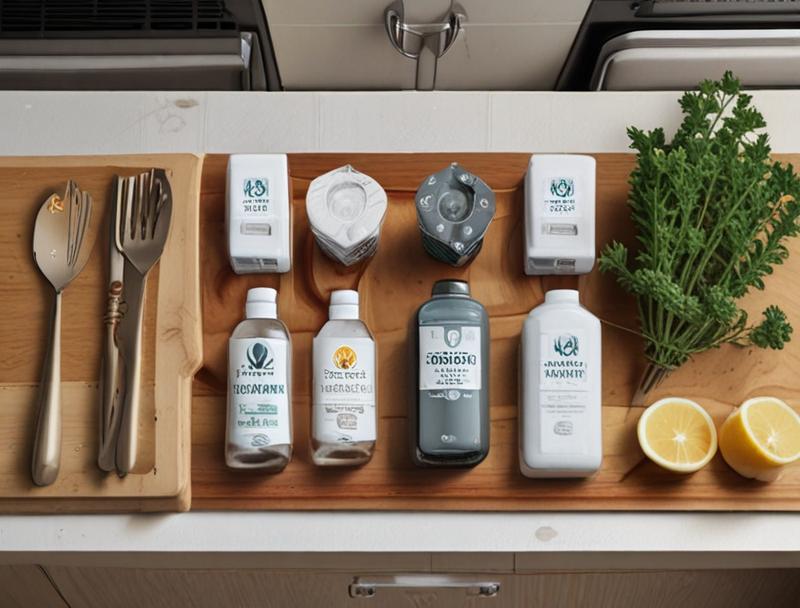
Gathering Your Cleaning Arsenal for Oil Stain Removal
Before you start scrubbing, it’s smart to have all your supplies ready. This makes the cleaning process smooth and efficient. You’ll need a few common household items that are great at cutting through grease.
Having everything in one place means you won’t have to stop and search for things halfway through. This section will help you gather what you need, from cleaning solutions to protective gear.
Essential Cleaning Solutions
There are several effective cleaning solutions that can tackle oil stains. Many of these are gentle enough for most wall surfaces but strong enough to break down grease. You don’t need fancy or expensive products to get the job done.
Simple, everyday items often work wonders. It’s good to have a few options available depending on how tough the stains are.
- Dish Soap: This is your best friend for cutting through grease.
- Baking Soda Paste: A natural abrasive and deodorizer.
- White Vinegar: An acidic cleaner that helps dissolve grease.
- All-Purpose Cleaner: Look for one specifically labeled as a degreaser.
Dish soap is specifically designed to break down oils and grease on dishes. This same power works wonders on greasy kitchen walls. A small amount of liquid dish soap mixed with warm water creates a sudsy solution that can lift and dissolve oil stains.
It’s a gentle yet effective choice for most painted surfaces. The degreasing agents in dish soap surround the oil particles, making them easier to wash away.
Baking soda is a mild abrasive, meaning it can help scrub away stains without scratching surfaces. When mixed with water to form a paste, it becomes a gentle scrubbing agent. It also helps to absorb odors, which can sometimes accompany grease stains.
For tougher spots, this paste can be applied directly and allowed to sit for a bit before being wiped off. It’s a safe and effective option for many wall types.
White vinegar is a natural acid that is excellent at breaking down grease and grime. You can use it diluted with water as a spray cleaner. Its acidic nature helps to cut through the oily film, making it easier to wipe away.
While it has a strong smell, this odor usually dissipates quickly once the surface is dry and cleaned. It’s a common household item that offers great cleaning power for kitchens.
Many commercial all-purpose cleaners are formulated to handle grease. When choosing one, check the label to ensure it’s effective against kitchen grease. These cleaners are often designed to be safe for various surfaces in the kitchen.
Always follow the product’s instructions for use and dilution. Some might be more potent, so testing in an inconspicuous area is a good idea.
Tools for the Job
Beyond cleaning solutions, you’ll need the right tools to apply them and clean the walls. Using the correct tools ensures you don’t damage your walls and that you can reach all the affected areas effectively. Having a good set of cleaning tools makes the entire process much easier.
- Soft Sponges or Cloths: For applying cleaners and wiping.
- Spray Bottle: For applying diluted cleaning solutions.
- Bucket: For mixing larger batches of cleaning solution or rinsing.
- Old Toothbrush: For getting into tight spots and grout.
- Gloves: To protect your hands.
Soft sponges and microfiber cloths are ideal for cleaning painted walls. They are absorbent and gentle, preventing scratches or damage to the paint finish. Microfiber cloths are particularly good because they trap dirt and grease effectively.
You’ll want a few of these on hand, as you might need to rinse them out frequently or use different ones for rinsing and drying.
A clean spray bottle is perfect for applying diluted cleaning solutions like vinegar and water. It allows for even coverage and helps you control the amount of liquid you’re using. This prevents over-saturation of the walls, which can be an issue with some paint finishes.
Just mix your solution, fill the bottle, and spray directly onto the stained area.
A small bucket is useful for mixing larger quantities of warm water and dish soap, or for rinsing your sponges and cloths. Having a bucket means you can easily clean your tools without constantly running to the sink. It’s also handy if you need to wipe down a larger area of the wall.
An old toothbrush can be a lifesaver for cleaning in corners, around light switches, or in textured areas where a sponge can’t reach. Its small size and bristles can gently dislodge grease from crevices. It’s also great for tackling stubborn spots that need a bit more targeted scrubbing power.
Wearing rubber gloves is a good idea, especially if you’re using stronger cleaning solutions or if you have sensitive skin. They keep your hands clean and protected from any drying or irritating effects of the cleaning agents. It’s a simple step that makes the cleaning process more comfortable.
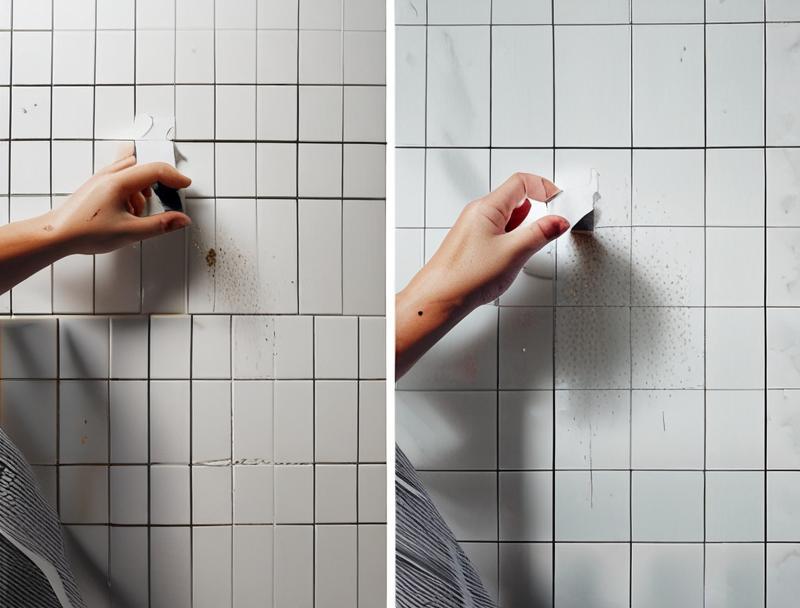
Step-by-Step Guide: How to Remove Oil Stains from Kitchen Walls
Now that you have your supplies, it’s time to get cleaning! Following these steps will help you effectively remove oil stains from your kitchen walls. We’ll start with the gentlest methods and move to stronger ones if needed.
The goal is to restore your walls to their clean, original state without causing any damage.
Preparation is Key
Before you apply any cleaner, a little preparation goes a long way. This ensures the cleaning process is safe and effective for your walls. Taking these small steps beforehand will save you time and prevent potential issues down the line.
- Clear the Area: Move any items like pictures, shelves, or small appliances away from the wall you plan to clean. This gives you plenty of space to work and prevents accidental spills on your belongings.
- Protect Surfaces Below: Place old towels, newspapers, or a drop cloth on your countertops and floors below the stained area.
- Test in an Inconspicuous Spot: Before cleaning the main stain, test your chosen cleaning solution on a small, hidden area of the wall.
Clearance is important. You want unobstructed access to the entire stained area. This means taking down any decorative items, moving small appliances, or even shifting a table if it’s in the way.
Having a clear workspace ensures you can reach every spot and prevents you from accidentally splashing cleaning solutions onto things you don’t want them on.
Protecting the surfaces beneath the cleaning area is crucial. Oil stains and cleaning solutions can drip. Laying down old towels, newspapers, or a plastic drop cloth on your countertops and floor will catch any drips or spills.
This prevents accidental damage or staining to your cabinets and flooring.
This step is vital for painted walls. Test your cleaner on a spot that isn’t usually visible, like behind a appliance or in a corner. Wait to see if it causes any discoloration, paint peeling, or damage.
This ensures that the cleaner is safe for your specific wall finish before you tackle the prominent stains.
Gentle Cleaning Methods
For most everyday oil splatters, starting with a mild cleaning solution is best. These methods are effective and less likely to harm your walls.
- Warm Water and Dish Soap: Mix a few drops of dish soap with warm water in a bucket.
- Apply and Wipe: Dip a soft sponge or cloth into the soapy water, wring it out so it’s damp, not dripping, and gently wipe the stained areas.
- Rinse: Dampen a clean cloth with plain water and wipe the area to remove any soap residue.
- Dry: Gently pat the wall dry with a clean, soft towel.
This is your go-to solution for general kitchen grease. The dish soap’s degreasing power is excellent. Use warm water as it helps to loosen the oil.
A small amount of soap is all you need; too much can leave a residue.
Use a gentle wiping motion. Don’t scrub too hard, especially on painted walls. The goal is to lift the grease.
Rinse your sponge or cloth frequently in the bucket as it picks up the oil to avoid spreading the mess around.
It’s important to rinse away the soap. Soap left on the walls can attract dirt later. Use a clean cloth dipped in plain water to wipe down the cleaned spots.
Make sure the cloth is just damp, not wet, to avoid damaging the paint.
Once rinsed, dry the wall completely. This prevents water spots and helps maintain the wall’s finish. A soft, dry towel will absorb any remaining moisture.
Ensure the area is fully dry before moving on.
Tackling Stubborn Stains
If the gentle method doesn’t fully remove the stains, you might need a slightly stronger approach. Here’s how to use baking soda paste and vinegar.
- Baking Soda Paste: Mix baking soda with a little water to create a thick paste.
- Apply the Paste: Gently spread the paste over the oil stains.
- Gently Scrub: Use a damp sponge or cloth to gently rub the paste into the stain.
- Wipe Clean: Rinse the area with a damp cloth to remove the paste and oil residue.
- Vinegar Solution: Mix equal parts white vinegar and water in a spray bottle.
- Spray and Wipe: Spray the vinegar solution onto the remaining stains and let it sit for a few minutes.
- Wipe and Rinse: Wipe the area with a damp cloth. Then, rinse with a clean, damp cloth.
- Dry Thoroughly: Pat the wall dry with a soft towel.
This paste acts as a mild abrasive. Mix baking soda with just enough water so it forms a paste that you can apply. It should be thick enough to stick to the wall without running off.
This paste can gently scrub away tougher grime.
Use your fingers or a soft cloth to apply the paste directly onto the oil stains. You can let it sit for about 5-10 minutes to allow it to work on the grease. Don’t rub it in vigorously at this stage; just let it rest on the surface.
After the paste has sat, use a damp sponge or cloth to gently scrub the area. The mild abrasiveness of the baking soda will help lift the oil. Work in small circles.
If the stain is very stubborn, you might use an old toothbrush for targeted scrubbing in corners.
Wipe away the baking soda paste and the loosened oil with a clean, damp cloth. Rinse your cloth often. You want to remove all traces of the paste to prevent a chalky residue on your walls.
This is a powerful degreaser. Mix plain white vinegar with an equal amount of water in a spray bottle. This dilutes the vinegar enough to be safe for most painted surfaces while still being effective against grease.
Spray the solution directly onto the stubborn oil spots. Let it sit for about 5 minutes. This gives the vinegar time to break down the greasy film.
Don’t let it sit for too long on painted surfaces, as prolonged exposure to acid can sometimes be an issue.
Wipe the stained area with a damp cloth. The oil should now be much easier to remove. Follow up by rinsing the area with a clean, damp cloth to remove any vinegar residue.
The smell of vinegar will disappear as it dries.
Just like with the dish soap method, make sure the wall is completely dry. Use a soft towel to pat the area. This prevents water marks and ensures the wall looks its best.
Properly drying is a key finishing touch.
Special Considerations for Different Wall Types
Kitchen walls aren’t all the same. The material and finish of your walls will affect how you clean them. Using the wrong method can lead to damage, so it’s important to be aware of these differences.
We’ll cover how to handle common wall finishes.
Painted Walls
Most kitchens have painted walls. The finish of the paint (matte, satin, semi-gloss, or gloss) matters. Matte paints are more porous and can absorb stains more readily, making them harder to clean.
Satin and semi-gloss paints have a slight sheen and are more resistant to stains and easier to wipe down. Glossy or high-gloss paints are the most durable and easiest to clean but can be prone to showing streaks. Always test cleaners in an inconspicuous spot.
For painted walls, avoid abrasive scrubbers and harsh chemicals that could strip the paint or alter its finish. Gentle wiping with a soft cloth and mild solutions is usually sufficient.
Tile and Grout
Many kitchens have tile backsplashes or tile on parts of the walls. The tile itself, especially if it’s ceramic or porcelain, is usually non-porous and easy to clean. However, the grout between the tiles can be porous and absorb grease, becoming stained.
For grout, a paste of baking soda and water can be very effective. You can use an old toothbrush to scrub the grout lines gently. For tiled areas, a warm, soapy water solution is usually enough.
For tough stains on grout, a specialized grout cleaner might be necessary, but always test it first.
Wallpaper
Cleaning oil stains from wallpaper requires extreme caution. Many types of wallpaper are not washable or are easily damaged by moisture and cleaning solutions. Vinyl wallpapers are generally more durable and might withstand gentle wiping.
However, for most wallpaper, it’s best to consult the manufacturer’s instructions. If there are no instructions, or if you’re unsure, try dabbing the stain very lightly with a barely damp cloth. For severe stains, it might be best to call a professional or consider replacing the affected wallpaper section.
Avoid soaking the wallpaper.
Preventing Future Oil Stains
Once your walls are clean, you’ll want to keep them that way. Prevention is always easier than cleaning. Here are some tips to minimize future oil splatters on your kitchen walls.
- Use Your Range Hood: Always turn on your range hood when cooking, especially when frying or sautéing.
- Use Splatter Screens: These mesh covers prevent oil from escaping the pan.
- Wipe Down After Cooking: A quick wipe down of the backsplash and nearby walls after cooking can prevent stains from setting.
- Clean Regularly: Don’t let grease build up for too long.
A range hood is designed to capture airborne grease and steam. Make sure it’s clean and functioning properly. Turning it on before you start cooking and leaving it on for a few minutes after you finish can make a significant difference in reducing grease buildup on your walls and in your kitchen air.
Splatter screens are an inexpensive and very effective tool. They are placed over the pan while cooking to catch the oil droplets. This physically stops the grease from reaching your walls.
They are easy to clean and come in various sizes to fit different pans.
Spend a minute or two wiping down your backsplash and the walls closest to your stove after each cooking session. Use a damp cloth with a little dish soap if needed. This removes any fresh splatters before they have a chance to dry and become stubborn stains.
This simple habit can save you a lot of deep cleaning later.
Establish a regular cleaning routine for your kitchen walls. A weekly wipe-down of high-traffic areas near the stove can keep grease from accumulating. The more often you clean, the less effort each individual cleaning session will require.
This prevents major grease buildup.
Frequently Asked Questions
Question: Can I use harsh chemicals like oven cleaner on kitchen wall oil stains?
Answer: It’s generally not recommended to use harsh chemicals like oven cleaner on painted kitchen walls. Oven cleaners are very strong and can strip paint, discolor surfaces, or damage the wall material. Always start with gentler methods like dish soap and water.
Question: How do I get oil stains out of grout?
Answer: For oil stains in grout, a paste made from baking soda and water is often effective. Apply the paste, let it sit for a while, and then gently scrub with an old toothbrush. Rinse thoroughly.
For very stubborn stains, you might need a specialized grout cleaner, but always test it first.
Question: My walls are a dark color. Will cleaning solutions leave white marks?
Answer: Yes, some cleaning solutions, especially those with residue like soap or baking soda, can leave white marks on dark walls. Always rinse thoroughly with clean water and dry the wall completely with a soft cloth. Testing the cleaner in an inconspicuous spot beforehand is also important.
Question: How often should I clean my kitchen walls for oil stains?
Answer: It’s best to do a quick wipe-down of your kitchen walls, especially around the stove, at least once a week. This prevents oil splatters from hardening and becoming difficult to remove. A deeper clean can be done as needed or every few months.
Question: Will using a lot of water damage my painted walls?
Answer: Using excessive amounts of water on painted walls, especially those with a matte finish, can cause damage. It can lead to paint peeling, bubbling, or water stains. Always wring out your sponge or cloth so it’s just damp, and ensure you dry the walls thoroughly after cleaning.
Summary
Removing oil stains from kitchen walls is achievable with simple household items. By preparing your space, using gentle cleaners like dish soap, or tougher options like baking soda and vinegar for stubborn spots, you can restore your walls. Remember to test first and be mindful of your wall’s material.
With these steps, your kitchen will look fresh and clean again.