
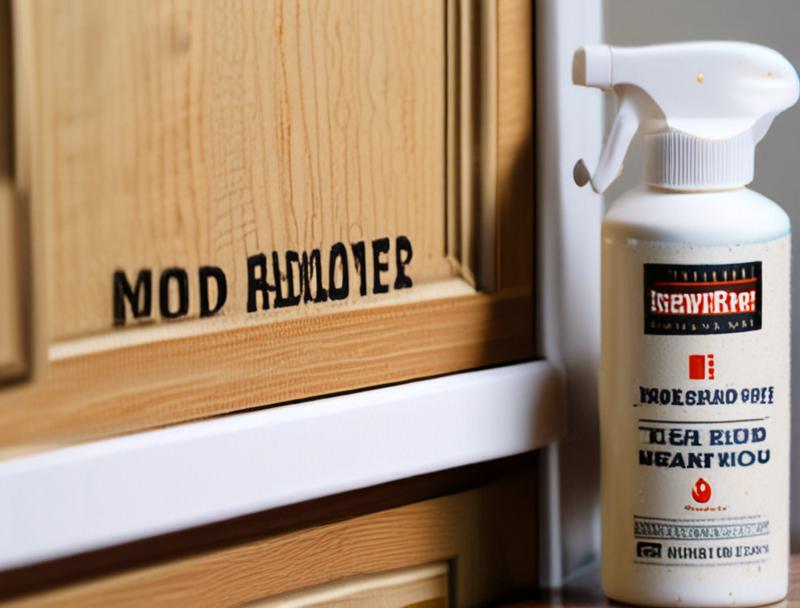
Mold can be a yucky surprise in the kitchen, especially for folks who are new to cleaning. Seeing fuzzy patches on your cabinets can feel a bit overwhelming, but don’t worry! We’ll walk you through How to Remove Mold from Kitchen Cabinets step-by-step, making it simple and stress-free.
You’ll be able to get your cabinets looking clean and fresh again in no time. Let’s get started on making those cabinets mold-free.
Understanding Kitchen Cabinet Mold
This part will help you figure out why mold shows up on kitchen cabinets and what it looks like. We’ll talk about the common spots where mold likes to grow and the signs to look for. Knowing the basics makes it much easier to tackle the problem.
We’ll also touch on why it’s important to deal with mold quickly.
Why Mold Appears on Cabinets
Mold loves damp and humid places, and kitchens often have both. Things like leaky pipes under the sink, condensation from cooking, or even a spilled drink that wasn’t wiped up right away can create the perfect environment for mold to start growing. It can also happen if there’s not enough airflow in the kitchen.
Mold spores are everywhere, and when they find a food source (like wood or cabinet finish) and moisture, they get to work.
You might see different types of mold. Some can be green, black, or even white and fuzzy. It often has a musty smell.
Even if you can’t see it, that smell is a big clue.
Identifying Mold on Your Cabinets
The most common sign of mold is a visible patch of fuzzy or slimy growth. This growth can be various colors, including black, green, white, or even orange. Often, mold has a distinctive musty or earthy odor that can be quite strong, especially in enclosed spaces like inside cabinets.
Sometimes, mold can start behind hardware like cabinet handles or hinges, so it’s worth checking those areas. You might also notice staining or discoloration on the cabinet surface where mold has been growing. If you have any water damage, like from a leaky faucet or a recent spill, that’s a prime spot to check for mold.
- Visual Inspection: Look for any discolored spots or fuzzy growth on the surface of your cabinets. Check inside, outside, and around any joints or seams.
- Odor Detection: If you notice a persistent musty or damp smell, mold might be present even if you can’t see it.
- Moisture Sources: Identify areas where water might be getting in or staying trapped, such as near sinks, dishwashers, or windows.
This is your first line of defense. Take a good look at all surfaces of your kitchen cabinets. Often, mold appears as small, circular spots that can grow over time.
The color can vary greatly, from a light green to a deep black, making it important to look for any unusual marks.
The smell of mold is often described as earthy or like wet dirt. It’s a scent that can linger in the air, especially when you open the cabinet doors. If you catch this smell, it’s a strong indicator that mold is growing somewhere, even if it’s hidden from view.
Areas around your kitchen sink are especially prone to moisture. Check under the sink for any signs of leaks or dampness. If your dishwasher is near your cabinets, check for any leaks from that appliance as well.
Even a poorly sealed window can let in moisture.
Safe and Effective Mold Removal Methods
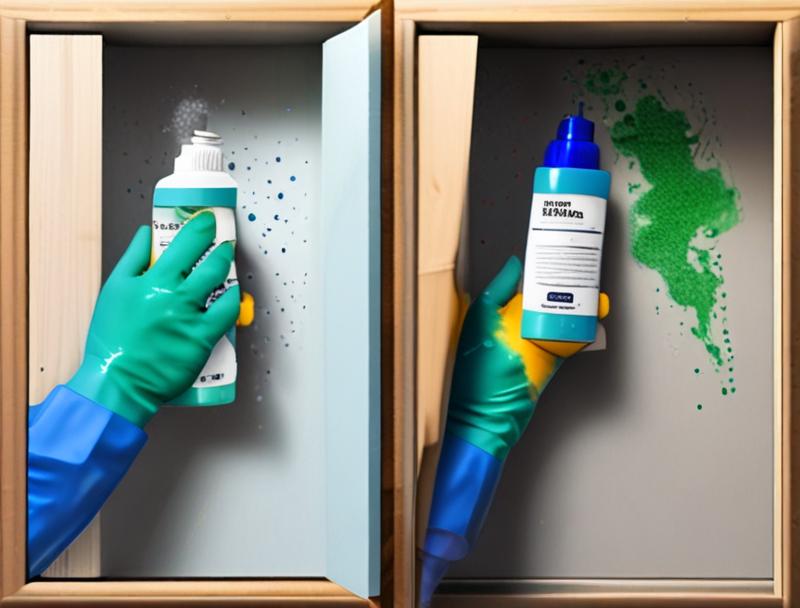
Here, we’ll go over the best ways to clean mold off your cabinets safely. We will explain the different cleaning agents you can use and how to use them correctly. Safety is very important when dealing with mold, so we’ll cover how to protect yourself.
We’ll also discuss what tools you’ll need to get the job done.
Gathering Your Cleaning Supplies
Before you start, make sure you have all your supplies ready. This will make the cleaning process go much smoother and faster. You don’t want to have to stop in the middle of cleaning to go find something you forgot.
You’ll need some basic cleaning items. These are usually things you can find around your house or easily buy at a store. Having everything prepared helps you focus on the task at hand and reduces the chances of mold spreading.
- Protective Gear: Rubber gloves, eye protection (like goggles), and a mask (N95 recommended) are essential.
- Cleaning Solutions: Options include mild dish soap and water, white vinegar, or a diluted bleach solution.
- Scrubbing Tools: Soft brushes, sponges (non-abrasive), and clean cloths or rags are needed.
- Buckets: Two buckets are helpful – one for the cleaning solution and one for rinsing.
- Ventilation: Open windows and doors to ensure good airflow.
Wearing the right gear is crucial for your health. Mold spores can be harmful if inhaled or if they get into your eyes. Gloves protect your skin from cleaning solutions and mold.
A mask helps you breathe cleaner air while you work.
Each solution has its strengths. Mild soap and water are good for light mold. White vinegar is a natural mold killer.
Bleach is strong but needs careful handling. We’ll discuss which one to use when.
You want tools that will clean effectively without damaging your cabinet finish. A soft brush can get into corners. Sponges are good for larger areas.
Microfiber cloths are great for wiping and drying.
Using two buckets helps prevent spreading the mold. One bucket holds your cleaning mixture, and the second bucket can be used with clean water to rinse your tools or the surface after cleaning.
Fresh air is key when cleaning mold. It helps carry away spores and makes the cleaning process safer and more pleasant. Make sure the area is well-ventilated before you begin.
Cleaning with Mild Soap and Water
For very light mold spots or general cleaning, a simple solution of mild dish soap and warm water can be effective. This is the gentlest option and is a good first step if you’re unsure about using stronger cleaners. It’s also great for regular maintenance to prevent mold from forming in the first place.
Remember to use soft cloths to avoid scratching the cabinet surfaces.
Always start with the mildest cleaning method first. If it doesn’t work, you can then move on to stronger solutions. This approach helps preserve the finish of your cabinets while still getting them clean.
After cleaning, be sure to dry the cabinets thoroughly.
How to use:
- Mix a few drops of mild dish soap into a bucket of warm water.
- Dip a soft cloth or sponge into the soapy water and wring it out well.
- Gently wipe down the moldy areas and surrounding surfaces.
- Rinse your cloth frequently in a separate bucket of clean water or with clean running water.
- Wipe the cabinets down with a clean, dry cloth to remove any excess moisture.
Just a little soap is needed. Too much can leave a residue on your cabinets that might attract dirt later.
You want the cloth to be damp, not dripping wet. Excess water can actually make mold problems worse.
Work in small sections. If you’re cleaning inside a cabinet, take everything out first so you have clear access.
This step is important to avoid spreading mold spores around. You don’t want to just move the mold from one spot to another.
Drying is just as important as cleaning. Moisture is what mold needs to grow, so make sure the cabinets are completely dry.
Using White Vinegar
White vinegar is a fantastic natural cleaner that is very effective at killing mold. It’s acidic, which helps break down mold and its spores. Plus, it’s non-toxic and doesn’t produce harsh fumes like bleach, making it a safer choice for your home, especially around food preparation areas.
Vinegar can also help remove odors associated with mold.
When using vinegar, it’s best to use it undiluted for maximum effectiveness against mold. You can apply it directly to the moldy surface. Let it sit for a bit to do its work before wiping it away.
This allows the acid to penetrate and kill the mold spores.
How to use:
- Pour undiluted white vinegar into a spray bottle.
- Spray the vinegar directly onto the moldy spots and let it sit for about an hour.
- After an hour, wipe the area with a damp cloth.
- For stubborn mold, you might need to gently scrub with a soft brush.
- Wipe the area again with a clean, damp cloth, and then dry thoroughly with a separate dry cloth.
Using a spray bottle makes it easy to apply the vinegar evenly to the moldy areas.
This gives the vinegar time to kill the mold. Don’t rush this step; let the vinegar work its magic.
A clean, damp cloth will help lift away the dead mold and vinegar residue.
A soft brush can help dislodge mold that is more deeply set into the cabinet material.
Make sure to remove all moisture. This prevents the mold from coming back.
When to Use a Diluted Bleach Solution
A diluted bleach solution can be a powerful option for tough mold problems, especially on non-porous surfaces like painted or laminated cabinets. Bleach is a disinfectant that kills mold and its spores very effectively. However, it’s important to use it with caution.
Bleach can be harsh, so proper ventilation and protective gear are absolutely necessary. It can also potentially damage or discolor certain cabinet finishes, so always test in an inconspicuous area first.
For cleaning, you typically mix one part bleach with ten parts water. This ratio is strong enough to kill mold but reduces the risk of damage compared to using straight bleach. Never mix bleach with ammonia or other cleaning products, as this can create dangerous fumes.
Remember to rinse thoroughly after using bleach to remove any residue.
How to use:
- In a well-ventilated area, mix 1 cup of bleach with 10 cups of water in a bucket.
- Dip a sponge or cloth into the solution, wring it out, and apply it to the moldy areas.
- Let the solution sit on the mold for about 10-15 minutes.
- Gently scrub the area with a soft brush or sponge if needed.
- Rinse the area thoroughly with a clean, damp cloth and plenty of clean water.
- Dry the cabinets completely with a clean, dry cloth.
Ensure good airflow by opening windows and doors. Wear your protective gear before mixing.
Avoid saturating the wood. You want to clean the surface, not soak it.
This contact time allows the bleach to effectively kill the mold spores.
Be careful not to scrub too hard, which could damage the cabinet finish.
It’s vital to remove all traces of bleach to prevent damage to the cabinets and for safety.
Moisture is the enemy of mold prevention, so thorough drying is key.
Preventing Mold from Returning
Once you’ve cleaned the mold, the next big step is making sure it doesn’t come back. This section will give you practical tips on how to keep your kitchen cabinets mold-free for the long haul. We’ll talk about controlling moisture, improving airflow, and regular cleaning habits.
Taking these steps will help maintain a healthy and clean kitchen environment.
Controlling Moisture Levels
Mold thrives in moist environments. The most effective way to prevent it from returning is to control the humidity in your kitchen. This means fixing any leaks promptly and ensuring that moisture from cooking or cleaning doesn’t linger.
Think about what creates moisture in your kitchen. Steamy showers can affect nearby cabinets if your kitchen is close to a bathroom. Cooking on the stove often produces steam.
Even washing dishes can lead to dampness. Addressing these sources of moisture is key to long-term mold prevention.
- Fix Leaks Immediately: Check under sinks, around dishwashers, and near refrigerators for any drips or puddles.
- Use Your Vent Hood: Turn on your kitchen exhaust fan whenever you are cooking, especially when boiling water or frying.
- Wipe Up Spills Promptly: Don’t let water or other liquids sit on cabinet surfaces or floors.
- Ensure Proper Ventilation: Keep cabinet doors slightly ajar when possible to allow air to circulate, especially in humid weather.
Even a small leak can create enough moisture for mold to take hold. Regularly inspect all plumbing connections and appliance hoses. Don’t wait for a major problem; address small drips right away.
The fan removes steam and odors from the air, preventing them from settling on cabinet surfaces. Make sure your vent hood is clean and working efficiently.
A quick wipe down after cooking, washing dishes, or any spills can make a huge difference. This prevents moisture from having time to seep into the wood or finish.
If you notice condensation building up inside cabinets, leave them open for a few hours. This helps dry out the interior and reduces the chance of mold growth.
Improving Air Circulation
Good airflow is just as important as controlling moisture. Stagnant air can trap humidity, creating pockets where mold can grow. Improving circulation helps to keep surfaces dry and prevents mold spores from settling and developing.
Think of it like this: if air can move freely, it can help evaporate any small amounts of moisture before mold has a chance to form. This is especially important in enclosed spaces like cabinets. Even small improvements can make a big difference.
Tips for better airflow:
- Open windows and doors periodically, especially on dry days.
- Use ceiling fans or portable fans to keep air moving throughout the kitchen.
- Avoid overcrowding cabinets.
- Consider using small dehumidifiers or moisture absorbers in problem areas.
This allows fresh air to exchange with the air inside your kitchen, reducing indoor humidity.
A gentle breeze can help dry surfaces and prevent stagnant air pockets.
When cabinets are too full, air can’t circulate properly. Leave some space between items.
These devices actively pull moisture from the air, helping to keep humidity levels low.
Regular Cleaning and Maintenance
Consistent cleaning is your best defense against mold. By regularly cleaning your cabinets, you remove potential food sources for mold and keep surfaces dry. This routine makes it much harder for mold to get a foothold.
Make it a habit to wipe down your cabinets at least once a week. This simple step can prevent minor issues from becoming major problems. It’s also a good time to check for any early signs of mold or moisture.
A little bit of regular effort goes a long way in keeping your kitchen cabinets clean and healthy.
What to do regularly:
- Wipe down cabinet surfaces with a damp cloth and mild cleaner.
- Clean the inside of cabinets every few months.
- Inspect for any signs of moisture or mold growth during your cleaning.
This removes dust, grease, and food particles that mold could feed on.
This ensures that hidden spots are also being kept clean and dry.
Early detection makes removal much easier and prevents spread.
Dealing with Mold on Different Cabinet Materials
Kitchen cabinets are made from various materials, and each might need a slightly different approach. Here, we will look at how to clean mold from common cabinet types like wood, laminate, and painted surfaces. Understanding the material helps you choose the right cleaning method and avoid damaging your cabinets.
We want to ensure your cabinets stay beautiful and mold-free.
Wood Cabinets
Wood cabinets are beautiful, but they can be more susceptible to mold if not cared for properly. The key is to use cleaners that won’t strip the finish or damage the wood. For solid wood, gentle cleaning is usually best.
When cleaning mold from wood, it’s essential to be thorough but gentle. Avoid soaking the wood, as excess moisture can cause warping or further mold growth. Always dry the area completely after cleaning.
Cleaning Wood:
- For light mold, try a solution of mild dish soap and water.
- For tougher mold, use a solution of equal parts white vinegar and water.
- Always wipe the area dry immediately after cleaning.
- If mold has penetrated the wood grain, you may need to lightly sand the affected area.
Apply with a soft cloth and wipe gently.
Test this in an unseen area first to ensure it doesn’t affect the wood finish.
Use a clean, soft cloth to absorb all moisture.
After sanding, clean the area again and consider resealing or refinishing.
Laminate and Melamine Cabinets
Laminate and melamine cabinets are common in many kitchens because they are durable and easy to clean. Their non-porous surface makes them generally more resistant to mold than wood. However, mold can still grow, especially if moisture gets into seams or edges.
These surfaces can usually withstand a bit more scrubbing than solid wood. Vinegar solutions are often very effective. For very stubborn mold, a very dilute bleach solution might be used, but always test it first to ensure it doesn’t discolor the laminate.
Cleaning Laminate/Melamine:
- Use a mild dish soap and water solution for most cleaning needs.
- White vinegar is excellent for killing mold and disinfecting.
- For tough spots, a paste of baking soda and water can be gently scrubbed.
- Ensure edges and seams are completely dry.
Wipe with a soft cloth or sponge.
Spray it on, let it sit for a few minutes, then wipe clean.
Rinse well afterward to remove all residue.
Moisture can seep into these areas and cause problems.
Painted Cabinets
Painted cabinets can be cleaned effectively, but you need to be mindful of the paint type and condition. Older or chipped paint might be more porous and prone to damage from strong cleaners. Always start with the gentlest method possible.
If the paint is in good condition, a diluted bleach solution can be used for tougher mold spots, but it’s crucial to test it first in a hidden area. The goal is to kill the mold without removing the paint.
Cleaning Painted Cabinets:
- Begin with a solution of mild soap and water.
- If mold persists, try a diluted white vinegar solution.
- For very stubborn mold, a very dilute bleach solution (1 part bleach to 20 parts water) can be used cautiously.
- Rinse the area thoroughly with clean water and dry immediately.
Use a soft sponge and avoid harsh scrubbing.
This is often effective and safer for most paint finishes.
Always test this in an inconspicuous area first to check for paint discoloration or damage.
Thorough drying is essential to prevent moisture from affecting the paint or underlying material.
Frequently Asked Questions
Question: How often should I check my kitchen cabinets for mold?
Answer: It’s a good idea to do a quick visual check of your kitchen cabinets at least once a month. Pay extra attention after any water leaks or spills, or if you notice a musty smell.
Question: Can I use natural cleaners for all types of mold on my cabinets?
Answer: Natural cleaners like vinegar and baking soda are great for many situations. However, for severe mold or non-porous surfaces, a diluted bleach solution might be more effective, but use it with caution and proper safety measures.
Question: What if the mold has stained my cabinets?
Answer: If mold has caused staining, especially on wood cabinets, you might need to lightly sand the stained area after cleaning. For deeper stains that sanding can’t fix, you might consider repainting or refinishing the cabinets.
Question: Is it safe to clean mold if I have pets or children?
Answer: Yes, but safety is key. Always ensure good ventilation by opening windows. Wear protective gear like gloves, a mask, and eye protection.
Keep pets and children out of the area while you are cleaning and until the cabinets are dry and the area is aired out.
Question: How long does it take for mold to grow on cabinets?
Answer: Mold can start to grow within 24 to 48 hours if the conditions are right – meaning there’s moisture and a food source. That’s why quick action and consistent prevention are so important.
Wrap Up
Cleaning mold from kitchen cabinets is achievable with the right approach. By following these simple steps, you can effectively remove mold and take steps to prevent it from returning. Keep your kitchen clean, dry, and well-ventilated.
Enjoy your fresh, mold-free cabinets!