
Does your kitchen cabinet smell a little funky? You’re not alone! Many people find it tricky to figure out How to Remove Food Odors from Kitchen Cabinets.
Sometimes it feels like no matter what you do, that lingering smell sticks around. But don’t worry! We’ve got a super simple, step-by-step plan to make your cabinets smell fresh again.
Get ready to say goodbye to those stale scents.
Clearing Out Your Kitchen Cabinets
Before we can tackle any stubborn smells, we need to start with a clean slate. This means taking everything out of your kitchen cabinets so you can see and reach every surface. It’s the essential first step to getting rid of those unwanted odors.
This part helps us find the source of the smell and makes cleaning much easier.
Emptying the Cabinets Completely
The first big step is to take all the items out of your cabinets. This includes food containers, dishes, pots, pans, and anything else stored inside. It’s best to group similar items together on your counters or a nearby table as you take them out.
-
Take Out Everything: You need to see the actual cabinet surfaces, not just the stuff inside. Pull out every single item. This might take a little time, but it’s worth it.
-
Group Similar Items: As you take things out, put like items together. This makes it easier to put them back later and also helps you spot any old or expired food that might be causing a smell.
-
Check Expiration Dates: While things are out, it’s a perfect chance to go through your food items. Throw away anything that’s past its expiration date. This is often the biggest culprit for bad smells.
This whole process of emptying your cabinets can be a bit of a chore, but it’s like decluttering your house. You might even find things you forgot you had!
Wiping Down Shelves and Walls
Once the cabinets are empty, it’s time to clean the insides. You’ll want to use a cleaning solution that will help lift away any sticky residue or dried spills that might be holding onto odors. Even if you don’t see spills, old smells can hide in the wood or laminate.
-
Prepare a Cleaning Solution: A simple mix of warm water and a little bit of dish soap works well for general cleaning. For tougher odors, you might need something stronger, which we’ll talk about soon.
-
Use a Soft Cloth or Sponge: Dip your cloth or sponge into the cleaning solution, wring it out so it’s damp but not dripping, and start wiping down all the surfaces. Get into the corners and along the edges.
-
Rinse and Dry: After wiping with the cleaning solution, you’ll want to go over the surfaces again with a damp cloth with just plain water to rinse away any soap residue. Then, make sure to dry everything thoroughly with a clean, dry towel. Moisture can lead to new problems, like mold.
Don’t forget the inside of the cabinet doors and the frame. These spots can also trap odors.

Natural Ways to Remove Food Odors
Now that your cabinets are clean and dry, we can focus on getting rid of those persistent food smells. There are many effective ways to do this using things you probably already have around your house. These natural methods are safe and gentle for your cabinets and your family.
Using Baking Soda
Baking soda is a superstar when it comes to absorbing odors. It’s a gentle powder that can soak up smells without adding any new strong scents of its own. It’s a go-to for many people when they need to freshen up spaces.
-
Baking Soda Box Method: Open a fresh box of baking soda and place it on a shelf inside the cabinet. Leave the box open so the baking soda can absorb odors for at least 24 hours. Replace it every month or two.
-
Baking Soda Paste: For tough spots, you can make a paste with baking soda and a little water. Apply this paste to any stained areas, let it sit for about 15 minutes, then wipe it clean with a damp cloth and dry thoroughly.
-
Sprinkling Baking Soda: You can also sprinkle a thin layer of baking soda directly onto the cabinet shelves. Let it sit for a few hours, then vacuum it up or wipe it away. Make sure to get all the powder out.
Baking soda works by chemically reacting with and neutralizing the odor molecules, rather than just masking them. It’s a simple yet powerful odor absorber.
Vinegar Solution for Odor Neutralizing
White vinegar is another fantastic natural cleaner and deodorizer. Its acidity helps to break down the compounds that cause smells, and its own scent fades away quickly as it dries. It’s especially good for tackling greasy residues and stale odors.
-
Vinegar and Water Mix: Mix equal parts white vinegar and warm water in a spray bottle. Lightly mist the inside surfaces of your cabinets. You don’t want them soaking wet, just a fine spray.
-
Wipe Down: Let the vinegar solution sit for about 10-15 minutes to work its magic. Then, wipe down the surfaces with a clean, damp cloth to remove any residue. The vinegar smell will disappear as it dries.
-
Ventilate Well: After using vinegar, it’s a good idea to open your kitchen windows or turn on the exhaust fan to help the area air out and speed up the drying process. This also helps dissipate the initial vinegar scent faster.
Vinegar is effective because it can neutralize alkaline odors. Many food smells, like those from spoiled food, can be alkaline in nature, making vinegar a perfect match.
Activated Charcoal
Activated charcoal is known for its incredible ability to absorb toxins and odors. It has a highly porous structure, which means it has a huge surface area for trapping smell molecules. It’s a more powerful option if baking soda or vinegar isn’t quite cutting it.
-
Place Charcoal Bags: You can buy small bags of activated charcoal specifically designed for odor absorption. Place these bags on the shelves in your cabinets. They work passively over time.
-
Placement is Key: Ensure the bags are not in direct contact with food items if you are concerned about contamination, although food-grade activated charcoal is generally safe. Place them on shelves or hang them from hooks if possible.
-
Recharging Charcoal: Many activated charcoal bags can be “recharged” by placing them in direct sunlight for a few hours. This helps release the trapped odors and makes the charcoal reusable, saving you money.
Activated charcoal can be a bit more expensive upfront than baking soda, but its effectiveness and reusability make it a great long-term solution for stubborn odors.
Lemon Juice or Peels
Lemon is not only great for adding flavor to food, but its natural oils and acidity can also help break down odor-causing compounds and leave behind a fresh, clean scent. It’s a lovely, natural way to freshen things up.
-
Wipe with Lemon Juice: Mix a little fresh lemon juice with water. Dip a cloth in this solution and wipe down the inside of your cabinets. The acidity can help cut through grease and deodorize.
-
Lemon Peels: Another simple method is to place fresh lemon peels inside your cabinets. Leave them there for a day or two. As they dry out, they release a pleasant citrus scent, and the oils can help absorb some lingering odors.
-
Natural Disinfectant: Lemon juice also has mild antibacterial properties, which can help combat odor-causing bacteria that might be growing in your cabinets.
Remember to wipe up any excess lemon juice so the surfaces don’t become sticky.
Dealing with Tougher Odors
Sometimes, food odors can be quite stubborn. They might have soaked into the material of the cabinets or are from something that has been spilled and left for a while. For these situations, we need to try some more potent methods.
Odor Absorbing Materials
Beyond baking soda, other materials can also absorb strong smells. These are often used in industrial settings but can be adapted for home use to tackle tough cabinet odors.
-
Coffee Grounds: Dried, used coffee grounds can absorb odors. Place them in an open container (like a small bowl or a shallow dish) inside the cabinet. The strong coffee scent will dissipate as it absorbs other smells.
-
Cat Litter: Unused, plain clumping cat litter is designed to absorb moisture and odors. Place some in an open container in the cabinet. This is a very effective, though perhaps less pleasant, option for strong smells.
-
Commercial Odor Absorbers: There are many products available specifically designed to absorb odors, often containing activated charcoal or other powerful agents. Look for ones that are safe for kitchen use.
These materials work by trapping odor molecules within their structure. They are a good passive solution, meaning you set them up and let them do their work over time.
Using Essential Oils
Essential oils can add a pleasant scent while some also have properties that can help neutralize odors. However, it’s important to use them sparingly and correctly, as they are concentrated.
-
Cotton Ball Method: Put a few drops of essential oil (like tea tree, lavender, or lemon) onto a cotton ball. Place the cotton ball in a small, discreet location within the cabinet. The oil will slowly evaporate, releasing its scent and potentially neutralizing odors.
-
Dilute for Wiping: For a more direct approach, add a few drops of essential oil to your vinegar and water cleaning solution. Always dilute essential oils; never apply them directly to surfaces without mixing them with a carrier like water or alcohol.
-
Avoid Direct Contact: Ensure the oil doesn’t directly touch your cabinets, as some oils can damage finishes. Placing the cotton ball in a small dish or baggie can prevent this.
Essential oils are best used after the main odor has been dealt with, to add a fresh scent. They don’t typically absorb odors as effectively as baking soda or charcoal.
The Power of Sunlight and Air
Sometimes, the simplest solutions are the most effective. Letting fresh air and sunlight into your cabinets can work wonders for eliminating lingering smells. This is especially helpful after a deep clean.
-
Open Cabinets Wide: After cleaning, leave all your cabinet doors wide open for several hours, or even a full day if possible. This allows for good air circulation, which helps dissipate stale odors.
-
Sunlight Exposure: If your cabinets are in a sunny spot, allow the sunlight to stream in. Sunlight has natural disinfecting properties and can help break down odor-causing compounds. Be cautious with very dark cabinets in direct sun for extended periods, as it could potentially fade finishes over time.
-
Remove Items Outdoors: For items that were stored in the cabinets, if weather permits, take them outside into the fresh air for a few hours. This can help remove any odors they might have absorbed.
This method is free, easy, and very effective for general freshening up. It’s a great way to complement your cleaning efforts.
Preventing Future Food Odors
The best way to deal with food odors in kitchen cabinets is to prevent them from happening in the first place. A few simple habits can make a big difference in keeping your cabinets smelling fresh all the time. This saves you from having to do deep cleans as often.
Proper Food Storage
How you store your food is the first line of defense against cabinet odors. If food can’t leak or spoil easily, it can’t create smells.
-
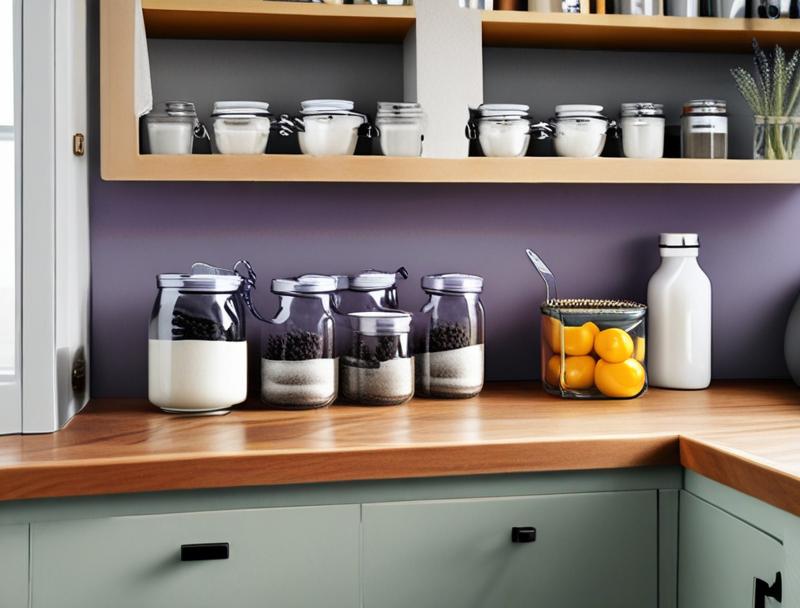
Airtight Containers: Always store leftover food, dry goods, and spices in airtight containers. This prevents leaks, spills, and the escape of food odors into the cabinet space.
-
Regular Food Check: Make a habit of checking your pantry and refrigerator regularly for items that are close to expiring or might have spoiled. Deal with them promptly.
-
Clean Up Spills Immediately: Don’t let spills in your cabinets or on your counters sit. Wipe them up right away to prevent them from becoming sticky messes that can harbor odors.
Using good containers and being mindful of food freshness are key to preventing most odor issues.
Regular Cleaning Routines
Consistent cleaning is just as important as preventing spills. Small, regular cleanings are much easier than tackling a big odor problem later.
-
Weekly Wipe-Downs: Once a week, or even every couple of weeks, quickly wipe down your cabinet shelves. This removes crumbs, light dust, and any minor stickiness before it becomes a problem.
-
Deep Clean Twice a Year: Schedule a more thorough deep clean of your cabinets at least twice a year. This is when you’d empty them out and give them a good scrub, using one of the odor-removing methods discussed earlier.
-
Clean While Cooking: Get into the habit of wiping down kitchen surfaces, including cabinet fronts, while you cook. This prevents grease and food splatters from building up over time.
These simple cleaning habits will keep your kitchen smelling better and your cabinets looking cleaner for longer.
Using Odor Absorbers Regularly
Keeping an odor absorber in your cabinets is a smart preventative measure. It works continuously to capture any stray smells that might develop.
-
Continuous Absorption: Place a small open box of baking soda or a bag of activated charcoal in your cabinets. Change it out as recommended (e.g., baking soda every 1-3 months, charcoal when it seems less effective).
-
Targeted Placement: If you have cabinets that tend to hold odors more, like those near the trash or where you store certain spices, place an extra absorber there.
-
Natural Fresheners: You can also use natural air fresheners like dried citrus peels or a few drops of essential oil on a cotton ball (ensure it’s placed where it won’t stain). These provide a pleasant scent and can help absorb mild odors.
This passive approach means your cabinets stay fresher with minimal effort on your part.
Kitchen Cabinet Odor Removal Comparison
Choosing the right method depends on the strength of the odor and your preference for natural or commercial solutions. Here’s a quick look at some popular options:
| Method | Effectiveness | Ease of Use | Pros | Cons |
|---|---|---|---|---|
| Baking Soda | Good for general odors | Very easy | Inexpensive, readily available, safe | May not be strong enough for very old or intense smells |
| White Vinegar | Very good for grease and stale odors | Easy | Inexpensive, natural disinfectant, neutralizes odors | Vinegar smell lingers temporarily, can be harsh on some finishes if not diluted |
| Activated Charcoal | Excellent for strong and persistent odors | Easy (passive) | Highly effective absorber, long-lasting, reusable | Higher initial cost, might be harder to find than baking soda |
| Lemon Juice/Peels | Good for light odors and freshening | Easy | Natural, pleasant scent, mild disinfectant | Not effective for strong odors, can be sticky if not rinsed well |
| Coffee Grounds | Good for strong odors | Easy (passive) | Effective absorber, uses waste product | Can leave a coffee scent, might be messy if spilled |
For example, if you have a persistent smell from spilled milk that has dried, activated charcoal or a thorough vinegar treatment would likely be more effective than just leaving out lemon peels. If you just need to refresh cabinets that haven’t had issues, regular airing out or a box of baking soda might be all you need.
Frequently Asked Questions
Question: How often should I clean my kitchen cabinets?
Answer: It’s a good idea to do a quick wipe-down weekly or bi-weekly to catch crumbs and light messes. A deeper clean, including airing them out and using odor absorbers, should be done at least twice a year, or whenever you notice a smell developing.
Question: Can I use commercial cleaning products to remove odors?
Answer: Yes, there are many commercial cleaners designed for kitchens that can help with odors. However, always ensure they are safe for food-contact surfaces and follow the product instructions carefully. Natural methods are often just as effective and avoid harsh chemicals.
Question: My cabinets still smell after cleaning. What else can I try?
Answer: If natural remedies aren’t working, ensure you’ve emptied everything and cleaned thoroughly. Try activated charcoal or a strong vinegar solution. Sometimes, the odor might be in the cabinet material itself, which can be harder to remove but persistent treatment usually helps.
Question: Can food odors damage my cabinets?
Answer: While odors themselves don’t typically damage cabinets, the substances that cause them (like spilled liquids or grease) can if left untreated. Mold can also grow in damp, smelly areas, which can damage wood over time.
Question: How can I tell what is causing the smell?
Answer: Start by emptying the cabinets and sniffing around. Look for any expired food, old spills, or sticky residue. Sometimes the smell is general staleness, but often you can pinpoint a source by smelling individual items or areas of the cabinet.
Summary
Getting rid of bothersome smells in your kitchen cabinets is totally doable. By emptying them out, cleaning them well, and using simple, natural odor absorbers like baking soda or vinegar, you can make them smell fresh again. Consistent cleaning and smart food storage are key to keeping those odors away for good.