
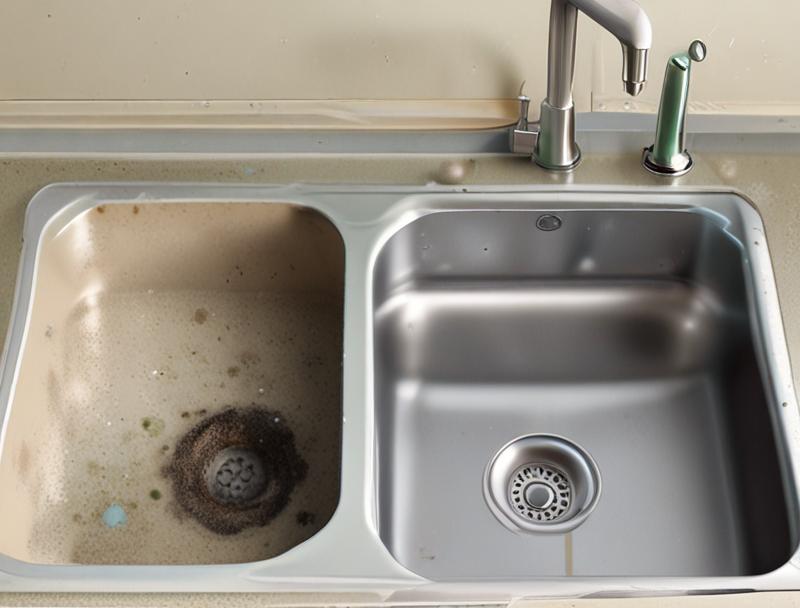
Dealing with a smelly kitchen sink can be a real bummer, especially when you’re just starting to figure out home care. It’s a common problem, and sometimes the simple solutions seem tricky to find. But don’t worry!
We’ve got a straightforward, step-by-step guide to help you tackle that odor and make your kitchen smell fresh again. Let’s get to the good stuff that will make your sink sparkle and smell amazing.
Common Causes of Kitchen Sink Odor
Kitchen sink smells are a frequent annoyance in many homes, often stemming from the very activities that keep our kitchens running. The sink is a hub for food scraps, grease, and general household waste, all of which can contribute to unpleasant odors. Understanding where these smells originate is the first step toward effective elimination.
This section will explore the usual suspects, from leftover food particles to drain blockages, and explain why they become such a problem. You’ll learn about the tiny things that can cause big smells and why beginners might find this issue a bit baffling at first.
Food Debris Accumulation
One of the most common culprits behind a stinky sink is food debris that gets stuck in the drain and pipes. When you wash dishes, small bits of food can cling to the sides of the pipes. Over time, these bits decompose, and as they break down, they release foul-smelling gases.
This is especially true for items like coffee grounds, eggshells, and fibrous vegetables, which don’t always go down the drain easily.
-
Food particles trapped in the drain are like little feasts for bacteria. These bacteria multiply rapidly in the damp environment of your pipes.
As these bacteria feast, they produce waste products. These waste products are often sulfur compounds, which are notorious for their rotten egg smell. The longer the food particles sit there, the more the bacteria have time to work, and the stronger the odor becomes.
It’s a natural process, but one that we definitely want to stop in its tracks.
-
Grease and oil are sneaky troublemakers. When you pour them down the drain, they might seem to disappear, but they don’t.
Instead, grease and oil stick to the inside of your pipes. They create a sticky coating that traps other food particles. This buildup acts like a barrier, holding onto decaying food and moisture, which further accelerates the decomposition process and the release of bad smells.
It’s like creating a sticky trap that no one wants in their kitchen.
-
Even things you might not think are a problem can contribute. For instance, washing citrus peels can sometimes lead to a pleasant scent initially, but the pulp and oils can still build up.
The natural oils from citrus can mix with existing grease and food particles, creating a different kind of sticky mess. While not always the primary cause, these can add to the overall gunk in the pipes, making the drain a more hospitable environment for odor-causing bacteria. It shows how even seemingly innocent items can play a role in sink smells.
The Role of the Garbage Disposal
Garbage disposals are designed to chop up food waste, but they aren’t invincible against odors. Like the drain itself, the grinding chamber and blades can accumulate food particles.
-
Food scraps caught in the disposal’s grinding chamber can start to rot. This creates a strong, unpleasant smell that can waft up from the drain.
The disposal is essentially a small, damp, dark place where food bits can get lodged. When this happens, bacteria have a perfect breeding ground. These bacteria then produce the gases that cause those distinct, often pungent, sink odors.
Regular cleaning is key to preventing this.
-
The splash guard, the rubber flap at the top of the disposal, is another area that can harbor food debris and bacteria.
This rubber guard is constantly exposed to food waste. Bits can get stuck between the rubber flaps or in the crevices. This trapped food then decomposes, making the splash guard itself a source of odor.
Cleaning this part can be a bit awkward but is very effective.
-
Over time, food particles can even build up on the disposal’s blades and under the grinding plate.
These areas are harder to reach during normal use. When food gets stuck here, it sits and rots, creating a persistent smell. This is why a more thorough cleaning method is sometimes needed to dislodge these stubborn bits and neutralize the odors they produce.
Drain Line Buildup and Bacteria
Beyond the immediate sink area and disposal, the drain lines themselves can become breeding grounds for odor-causing bacteria. This happens as grease, food particles, and soap scum accumulate over time, creating a slimy layer inside the pipes.
-
A biofilm can form on the inside of your drain pipes. This is a sticky layer made up of bacteria, food particles, and other organic matter.
This biofilm provides a moist environment where bacteria can thrive. As they consume the organic matter, they release gases that are responsible for bad smells. This buildup can happen in any part of the drainpipe, from just below the sink to further down the line.
-
Standing water in a P-trap can also contribute to odors. The P-trap is the U-shaped pipe under your sink. Its purpose is to hold water, which creates a seal to stop sewer gases from coming up into your home.
However, if the water in the P-trap becomes stagnant due to infrequent use or a partial clog, it can start to smell. Decaying matter in this trapped water can release unpleasant odors. Sometimes, a simple flush of water can help refresh the trap, but if odors persist, there might be something else going on.
-
The decomposition of organic matter within the pipes creates volatile organic compounds (VOCs). These are the chemicals that produce strong, offensive smells.
The specific smell can vary depending on the type of organic matter and the bacteria involved, but it’s generally a sign that something is breaking down and creating a problem. Addressing the source of this decomposition is key to eliminating the odor permanently.
Simple Solutions for a Fresh Sink
Now that we know what causes those kitchen sink smells, let’s talk about how to get rid of them. You don’t need fancy equipment or harsh chemicals to make your sink smell great again. We’ll cover easy methods that use common household items to clean your drain and disposal.
These steps are designed to be simple and effective, even for those who are new to home maintenance.
Natural Cleaning Methods
Many effective ways to combat sink odors involve natural ingredients you probably already have in your kitchen. These methods are gentle on your pipes and the environment, while still being powerful enough to tackle grease and grime.
-
Baking soda and vinegar are a classic cleaning duo. Pour about half a cup of baking soda down the drain, followed by half a cup of white vinegar.
You’ll see it fizz, which means it’s working to break down gunk. Let it sit for about 15-30 minutes, then flush with hot water. This is a great way to freshen up your drain and clear out minor blockages.
The fizzing action helps to loosen debris.
-
Boiling water is another simple yet effective solution. Carefully pour a pot of boiling water down the drain.
This can help melt away grease and flush out loose particles. It’s especially helpful for getting rid of that sticky, oily buildup that can trap food bits and cause odors. Be cautious when handling boiling water to avoid burns.
-
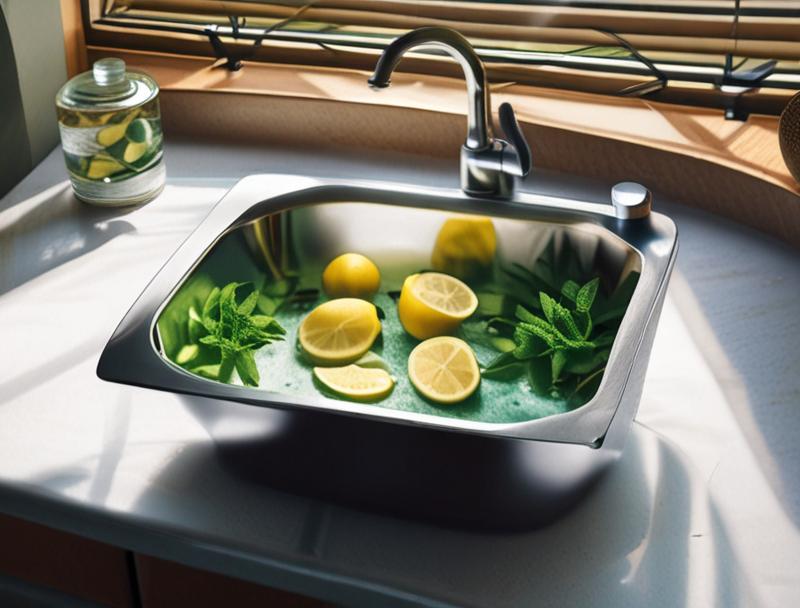
Lemon peels can add a pleasant scent and help clean. After using a lemon, toss the peels down the garbage disposal (if you have one) and run it with cold water.
The oils in the peels can help to cut through grease, and the fresh citrus scent leaves your sink smelling nice. It’s a simple way to get a little cleaning power and a nice aroma at the same time. This works best when done regularly.
-
Salt can also be used in conjunction with baking soda. Mix half a cup of salt with half a cup of baking soda and pour it down the drain.
Let it sit for a few hours or overnight, then flush with hot water. The salt acts as a mild abrasive, helping to scrub away buildup, while the baking soda neutralizes odors. This combo is great for tougher jobs.
Cleaning the Garbage Disposal
If you have a garbage disposal, it needs regular cleaning to prevent odors. You can use some of the same natural methods, plus a few specific tricks for disposals.
-
Run ice cubes through the disposal. This helps to scrape away any food particles stuck to the blades and the sides of the disposal chamber.
As the ice melts, it also helps to flush out debris. It’s a simple step that can make a big difference in keeping your disposal clean and odor-free. You can even add some citrus peels with the ice for an extra scent boost.
-
Baking soda and vinegar is also excellent for disposals. Pour a cup of baking soda into the disposal, then slowly pour in a cup of white vinegar.
Let it foam and work for about 10-15 minutes. Then, rinse it out by running cold water while the disposal is on. This tackles odors and helps to dislodge any gunk.
-
You can also use citrus fruit halves, like oranges or lemons, to clean and freshen the disposal.
Cut them into smaller pieces and run them through the disposal with cold water. The natural oils in the fruit help to clean the blades and the chamber, leaving a fresh scent behind. This is a pleasant and effective way to maintain your disposal.
-
For a deeper clean, you can use a disposal brush or an old toothbrush to scrub the splash guard and the areas around the blades.
This manual cleaning can remove stubborn bits of food that the disposal might miss. Be sure to turn off the power to the disposal before attempting any manual cleaning inside the chamber for safety.
Dealing with Stubborn Odors and Clogs
Sometimes, simple cleaning isn’t enough. If the smell is persistent or you suspect a clog, there are a few more steps you can take. These methods are a bit more intensive but can solve more challenging problems.
-
A plumber’s snake (or drain auger) can be used to clear deeper clogs and remove blockages that are causing odors.
You feed the snake into the drain and crank the handle to break up or pull out whatever is causing the blockage. This is a more physical way to clear pipes and can be very effective for stubborn clogs that simple flushing won’t fix.
-
Enzyme-based drain cleaners are a good option for breaking down organic matter. Unlike harsh chemical cleaners, these use natural enzymes to digest food waste and grease.
They are safer for your pipes and the environment and are effective at eliminating the source of many odors. Follow the product instructions carefully for best results. These cleaners work over time to dissolve the buildup.
-
If none of these methods work, it might be time to call a professional plumber.
There could be a more serious issue with your plumbing, like a cracked pipe or a problem further down the main sewer line, that is causing the odor and potential clogs. A plumber has the tools and expertise to diagnose and fix these bigger problems.
Preventing Future Sink Odors
Once you’ve banished the bad smells, the next step is to keep your sink fresh. Prevention is always easier than cure. By adopting a few good habits, you can stop those unpleasant odors from returning.
This involves being mindful of what goes down the drain and performing simple maintenance regularly.
Daily Habits for a Clean Sink
Small, consistent actions can make a huge difference in maintaining a fresh-smelling kitchen sink. These habits are easy to incorporate into your daily routine and require minimal effort.
-
Scrape plates thoroughly before washing. Get as much food waste as possible into the trash or compost bin.
This directly reduces the amount of food debris that enters your drain and disposal, minimizing the fuel for odor-causing bacteria. It’s a simple step that prevents many problems before they start. Think of it as proactive sink care.
-
Run cold water when using the garbage disposal. This helps to solidify any grease or oil, making it easier for the disposal to chop it up and flush it away.
Hot water can melt grease, allowing it to coat the pipes further down, which can lead to future clogs and odors. Cold water keeps the grease in a more manageable, solid form for the disposal.
-
Never pour grease, oil, or fats down the drain. Collect them in a separate container and dispose of them in the trash once they cool.
This is one of the most critical habits to prevent drain clogs and sticky buildup that traps food particles and causes smells. Even a small amount of grease can contribute to a large problem over time.
-
Flush your drain with hot water after washing dishes, especially if you’ve washed greasy items.
This helps to melt and flush away any residual grease or food particles that might be clinging to the pipes. It’s a quick rinse that keeps things moving smoothly and prevents sticky buildup. A few seconds can save a lot of trouble.
Regular Maintenance and Cleaning
Beyond daily habits, a bit of scheduled maintenance will keep your sink in top condition. These regular cleanings target the hidden spots where odors can develop.
-
Once a week, pour a cup of baking soda down the drain, followed by a cup of vinegar. Let it fizz for about 15 minutes, then flush with hot water.
This is a simple and effective way to keep your pipes clean and odor-free. It breaks down any early buildup of grease and food particles before they can become a bigger issue. It also helps neutralize any lingering smells.
-
Run your garbage disposal regularly with cold water, even if you haven’t used it much. This helps keep the blades clean and prevents small bits of food from drying and sticking.
Using ice cubes or citrus peels periodically during these runs adds an extra cleaning and freshening benefit. Consistent use prevents stagnation and decay within the disposal unit.
-
Clean the sink basin and faucet regularly. Food particles can splash onto these surfaces and eventually wash down the drain, carrying odors with them.
A good scrub with soap and water, or a paste of baking soda and water, will keep these areas clean. This prevents secondary sources of smell and keeps your entire sink area looking and smelling fresh.
Understanding Your Plumbing System
Knowing a little about how your plumbing works can help you troubleshoot sink odors more effectively. The design of your drain system plays a role in how easily odors can occur.
-
The P-trap is designed to hold water, creating a seal that prevents sewer gases from entering your home. If the water evaporates or gets pushed out, odors can come up.
This is why sinks that are used infrequently might be more prone to odors. Running water in these sinks periodically ensures the trap is filled and the seal is maintained. It’s a simple check that can solve many odor issues.
-
Vent pipes are an essential part of your plumbing. They allow air into the system, which helps wastewater flow smoothly and prevents suction that could empty the P-trap.
If your vent pipe is blocked, it can cause slow draining and allow sewer gases to escape. While this is a less common cause for beginners, a persistent, foul odor could sometimes be related to a venting issue.
-
The overall slope of your drain pipes is designed to ensure water flows away from the sink. If the slope is incorrect, water and debris can settle, leading to buildup and smells.
This is usually a construction issue, but if you notice consistent problems, it’s worth considering. A plumber can assess the slope and correct it if necessary.
Troubleshooting Common Sink Smells
Sometimes the smell itself can give clues about its source. Different types of odors might point to specific problems within your sink or drain system. Being able to identify these subtle differences can help you choose the most effective cleaning method.
This section offers tips on diagnosing and treating various sink smells.
The “Rotten Egg” Smell
This sulfurous odor is one of the most common and distinct sink smells. It’s often quite pungent and immediately recognizable.
-
This smell is usually caused by the presence of hydrogen sulfide gas. It’s produced by bacteria that are breaking down organic matter, like food scraps or grease, in a low-oxygen environment.
Think of it as the byproduct of decomposition. The P-trap or stagnant water in the drain can sometimes contribute to this low-oxygen environment where these bacteria thrive.
-
The most common source is the garbage disposal. Food particles that get stuck in the disposal unit or on the blades can begin to rot and produce this gas.
Even if you don’t have a disposal, food debris caught in the drainpipes can also lead to this smell. It indicates a need to clean out the disposal or the drain itself thoroughly.
-
To combat this, thorough cleaning of the garbage disposal is essential. Use ice cubes, citrus peels, or a baking soda and vinegar mixture. If you don’t have a disposal, pour boiling water followed by a baking soda and vinegar treatment down the drain.
The goal is to remove the organic matter that the bacteria are feeding on and to introduce oxygen into the system. For persistent smells, an enzyme cleaner might be needed to break down residue in the pipes.
A Musty or Mildewy Smell
This smell is less about decomposition and more about moisture and fungus growth. It often indicates an area where water is sitting or where there’s persistent dampness.
-
This odor usually comes from mold or mildew that has grown in damp areas around the sink. This can include the sink basin itself, around the faucet, or under the sink if there are any leaks.
The rubber seals, the area beneath the sink drain, or even a damp sponge left too long can be culprits. These fungi thrive in dark, moist environments.
-
Check for any leaks under the sink. Even a small drip can create a damp environment conducive to mold growth. Clean up any standing water and dry the area thoroughly.
Also, pay attention to the sink basin’s material. Some materials can retain moisture or become porous over time, fostering mold growth if not cleaned regularly.
-
Regularly clean the sink basin with a disinfectant or a solution of vinegar and water. Ensure that sponges and dishcloths are kept dry and clean.
For a more targeted approach, you can use a diluted bleach solution (if your pipes can handle it) or a natural mold cleaner on affected areas. Good ventilation in the kitchen can also help prevent mold.
A General “Gamy” or Unpleasant Odor
This is a less specific smell, often described as just “bad” or “dirty.” It’s usually a sign of general gunk and grime buildup in the drainpipes or disposal.
-
This smell is a catch-all for the general breakdown of food waste and the accumulation of grease and soap scum within the drainpipes. It’s the result of various organic materials starting to decay.
When multiple types of food particles and grease combine, they create a complex mix of odors. It’s like a general state of uncleanliness in the drain.
-
A good flushing with boiling water, followed by a baking soda and vinegar treatment, is usually effective for this type of odor. For garbage disposals, a thorough cleaning cycle with ice, citrus, and baking soda is recommended.
The aim is to physically dislodge the buildup and chemically neutralize any lingering odors from the decomposing matter. Regular preventative cleaning is key to avoiding this general funk.
-
Consider using an enzyme-based drain cleaner monthly. These cleaners are specifically designed to break down the organic sludge that causes these general odors and can help keep your pipes clear and smelling fresh.
They work by using natural processes to digest the waste, offering a gentler yet effective solution for maintaining pipe health and preventing the buildup that leads to unpleasant smells.
When to Seek Professional Help
While most kitchen sink odors are manageable with simple DIY methods, there are times when professional help is necessary. If you’ve tried everything and the smell persists, or if you notice other issues, it’s best to call a plumber. They have specialized tools and knowledge to diagnose and fix more complex plumbing problems.
Persistent Odors Despite Cleaning
If you’ve diligently followed all the cleaning steps and the odor remains strong, there might be an underlying issue that you can’t easily fix. This can be frustrating, but it’s a clear sign that a professional eye is needed.
-
Sometimes, odors can come from deeper within the plumbing system, beyond what common household cleaners can reach. This could be an issue with the main sewer line or a problem further down in your pipes.
These deeper issues are often related to blockages, cracks, or structural problems in the plumbing that require specialized equipment to access and repair. DIY methods simply won’t be able to resolve these types of problems effectively.
-
A persistent smell could also indicate a problem with your home’s venting system. Blocked vents can cause sewer gases to back up into your home, often through drains, creating foul odors.
These are often invisible issues that can’t be diagnosed without professional tools. A plumber can check your vent pipes for obstructions and ensure they are functioning correctly to prevent gas buildup.
-
If you notice that the odor is accompanied by slow draining, gurgling sounds from your pipes, or recurring clogs, it points to a more significant blockage or issue within the plumbing.
These are all symptoms that suggest the problem is more than just surface-level gunk. A plumber can identify the exact location and cause of the blockage and clear it safely.
Potential Plumbing Issues
Certain signs in your plumbing can indicate that something more serious is going on, beyond just a smell. These are issues that can lead to water damage or more significant problems if not addressed.
-
Water pooling around the base of the sink, or in the cabinet underneath, is a clear sign of a leak. These leaks can contribute to mold and mildew growth, causing musty odors, and can also damage your cabinets and flooring.
A leak might be from a faulty pipe joint, a damaged seal, or a crack in the plumbing. Addressing these leaks quickly is crucial to prevent structural damage and further odor issues.
-
Strange noises from your pipes, such as gurgling or banging sounds, can indicate air trapped in the system or partial blockages that are impeding water flow.
These noises suggest that the plumbing isn’t operating as it should. While not always directly linked to odor, they are often signs of underlying issues that could eventually lead to problems, including smells or slow drains.
-
If you notice that multiple drains in your house are slow or smelling at the same time, it could indicate a problem with the main sewer line connecting your home to the city’s system.
This is a serious issue that requires professional attention. A blockage in the main line can affect your entire household’s plumbing and needs to be cleared by a professional to prevent widespread backups and damage.
How a Plumber Can Help
Plumbers have the expertise and tools to diagnose and fix a wide range of plumbing problems that cause sink odors. They can identify issues that are not visible or easily accessible to a homeowner.
-
Plumbers use specialized equipment like drain cameras to inspect the inside of your pipes. This allows them to see exactly where a clog is located, what it’s made of, and if there are any pipe damages.
This diagnostic capability ensures that the correct solution is applied, rather than just treating symptoms. They can identify issues like root intrusion, pipe collapses, or heavy buildup that require more than just a simple snaking.
-
They have professional-grade drain cleaning tools, such as powerful augers and hydro-jetting equipment, that can clear even the most stubborn clogs effectively and safely.
These tools can break up solid blockages, remove grease buildup, and scour the inside of pipes to restore proper flow. This is far more effective than most DIY drain clearing methods.
-
A plumber can also assess and repair any leaks or structural issues within your plumbing system, ensuring that the problem is completely resolved and preventing future damage.
This comprehensive approach means they don’t just fix the immediate symptom (like an odor) but address the root cause to ensure long-term functionality and prevent recurring issues.
Frequently Asked Questions
Question: How often should I clean my kitchen sink drain?
Answer: For best results, aim to do a basic clean with baking soda and vinegar about once a week. If you notice any smells or slower draining, do it more often.
Question: Can I pour bleach down my sink to kill odors?
Answer: While bleach can kill some bacteria, it’s not recommended for regular drain cleaning. It can be harsh on pipes and potentially harmful if mixed with other cleaning products. Natural methods like baking soda and vinegar are safer and often just as effective.
Question: What is a P-trap and why is it important?
Answer: The P-trap is the U-shaped pipe under your sink. It holds a small amount of water, which creates a seal to stop smelly sewer gases from coming up into your kitchen.
Question: My garbage disposal is smelly, what’s the best way to clean it?
Answer: Run ice cubes through it first, then try a mixture of baking soda and vinegar. For a fresh scent, toss in citrus peels or lemon halves. Always run cold water while the disposal is on.
Question: Is it safe to use chemical drain cleaners for odors?
Answer: Chemical drain cleaners can be effective but are often very harsh. They can damage your pipes and are harmful to the environment. It’s better to start with natural methods or enzyme-based cleaners, and only use chemicals as a last resort, following instructions carefully.
Wrap Up
You’ve learned how to identify and eliminate kitchen sink odors using simple, everyday items. From tackling food debris and disposal gunk to preventing future smells, you have the tools for a fresh-smelling kitchen. Keep up with regular cleaning and good habits, and enjoy a pleasant-smelling sink every day.