
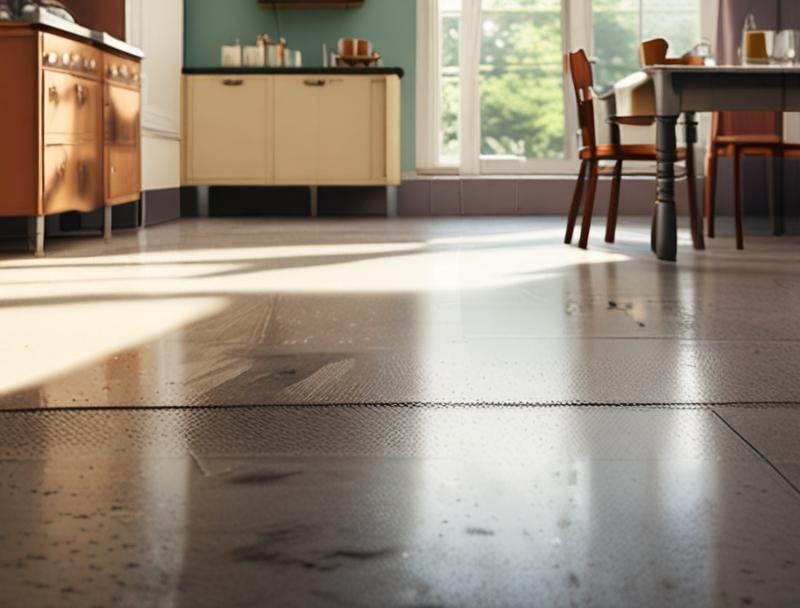
Grease on kitchen floors can be a sticky mess, and it’s something many folks struggle with, especially when they’re just starting out in their own homes. It seems simple, but that greasy film can really stick around, making your kitchen look less than sparkling. Don’t worry, though!
We’ve got a simple plan to help you tackle this problem head-on. We’ll walk you through easy steps to get your floors clean and shiny again, so you can enjoy a spotless kitchen without the fuss.
Getting Rid of Kitchen Floor Grease Step-by-Step
This section will guide you through the entire process of cleaning grease off your kitchen floors. We’ll break down each step so it’s easy to follow, even if you’ve never done this before. You’ll learn what supplies you need, how to prepare your floor, and the best ways to scrub away that stubborn grease.
By the end, you’ll feel confident about making your kitchen floors look like new again.
Gathering Your Cleaning Supplies
Before you start cleaning, it’s important to have the right tools. Having everything ready makes the job go much smoother and faster. You don’t want to be searching for a sponge when you’re halfway through cleaning!
-
Warm Water: Warm water is great because it helps to loosen up the grease. Hot water works even better, but be careful not to burn yourself. It’s the first step in breaking down that sticky stuff.
-
Dish Soap: A good dish soap, especially one designed for cutting grease, is your best friend here. It’s made to lift oil and fat from dishes, and it works just as well on your floors. You only need a little bit.
-
Baking Soda: This is a natural cleaner that’s excellent for scrubbing. It’s a mild abrasive, meaning it can gently scrub away tough spots without scratching your floor. It also helps to absorb odors.
-
Vinegar: White vinegar is a fantastic natural disinfectant and degreaser. Its acidity helps to cut through grease and grime. Just be sure to use white vinegar and not other types, as they might stain.
-
Soft Cloths or Sponges: You’ll need something to apply your cleaning solutions and to wipe the floor. Microfiber cloths are great because they pick up dirt and grease well. Soft sponges are also good for scrubbing.
-
Mop: A mop is essential for washing and rinsing your floor after you’ve scrubbed away the grease. A string mop or a flat mop will work just fine.
-
Bucket: You’ll need a bucket to mix your cleaning solutions and one for rinsing your mop.
Preparing Your Kitchen Floor for Cleaning
Getting the floor ready is an important step. It means removing anything that’s in your way and doing a quick sweep. This way, you can clean every inch without having to move things around later.
First, clear the floor of any chairs, rugs, or mats. Move everything to the side or into another room. This gives you a clear workspace.
Next, do a quick sweep or vacuum of the entire floor. This removes loose dirt, crumbs, and debris. Getting rid of this dry stuff before you start wet cleaning prevents you from just pushing dirt around and making mud.
A clean sweep means your cleaning solution will focus only on the grease and grime, making your job much easier and the results much better.
Choosing the Right Cleaning Solution
There are a few ways to make a cleaning solution that will tackle grease. You can use a simple mix of soap and water, or add other natural ingredients for extra power.
Simple Dish Soap and Water Method
This is the easiest way to start. It’s gentle on most floors and very effective for everyday grease buildup. You probably already have dish soap at home.
Mix a few drops of dish soap with a bucket of warm water. You don’t need a lot of soap; too much can leave a sticky residue on your floor. Swish it around to make some suds.
This solution is great for general cleaning and light grease.
-
How it Works: Dish soap has surfactants. These molecules grab onto grease and oil. They break the grease down into smaller pieces and lift it from the floor surface.
Then, the water carries the loosened grease away.
Baking Soda Paste for Tough Spots
For stubborn, caked-on grease, baking soda is a great helper. It’s a mild abrasive that can lift grease without damaging your floor. It also helps to absorb odors.
To make a paste, mix baking soda with just enough water to form a thick, spreadable paste. Apply this paste directly to the greasy spots. Let it sit for about 10-15 minutes.
Then, scrub gently with a brush or sponge before wiping it up.
-
How it Works: Baking soda is a mild alkali. When it’s made into a paste with water, its granular structure acts as a gentle scrubber. It physically scrubs away the grease without scratching the floor’s finish.
The alkalinity also helps to saponify (turn into soap) some of the fats in the grease, making them easier to remove.
Vinegar and Water Spray for Extra Shine
Vinegar is excellent for cutting through grease and leaving a streak-free shine. It’s a natural disinfectant too, which is a bonus in the kitchen.
Mix equal parts white vinegar and warm water in a spray bottle. You can add a few drops of essential oil, like lemon or orange, if you don’t like the smell of vinegar. Spray this mixture directly onto greasy areas and let it sit for a few minutes before wiping.
Be careful with certain floor types like natural stone, as vinegar can etch them.
-
How it Works: The acetic acid in vinegar is what makes it so effective at cutting through grease. This acid breaks down the oily film. It also helps to remove soap scum and hard water stains.
The water dilutes the vinegar so it’s safe for most surfaces and helps rinse away the loosened grime.
The Actual Process: Cleaning the Grease Away
Now that you have your supplies and your chosen cleaner, it’s time to get to work. This is where you’ll see the grease start to disappear!
Step 1: Apply Your Chosen Cleaning Solution
If you’re using the dish soap and water, dip your mop into the bucket and wring out the excess water. Start mopping the floor, focusing on areas with grease. Work in sections.
If you’re using the baking soda paste for tough spots, apply it directly to the greasy areas. Use a sponge or cloth to spread it evenly on the problem spots. Let it sit for a little while to work its magic.
If you’re using the vinegar spray, liberally spray the solution onto the greasy parts of your floor. Make sure the areas are well-covered. Let it sit for a few minutes to start breaking down the grease.
Step 2: Scrubbing the Grease
This is where you use some elbow grease! For general cleaning with the dish soap solution, your mop will do most of the work. Push the mop firmly over the greasy areas.
If you used the baking soda paste, use a scrub brush or a stiff-bristled brush to gently scrub the paste into the grease. Work in small circles. The baking soda will help lift the grease.
Don’t scrub too hard on delicate floors.
For the vinegar spray, use a damp cloth or sponge to wipe down the sprayed areas. You might need to give a little scrub to really lift the grease. For very tough spots, you can spray the vinegar solution and then sprinkle a little baking soda on top.
This will create a gentle fizzing action that helps lift the grease.
Step 3: Wiping and Rinsing
After scrubbing, it’s time to remove the loosened grease and cleaning solution. If you used the dish soap and water or the vinegar spray, use a clean mop and a bucket of plain warm water to rinse the floor. Mop the floor again, rinsing your mop frequently in the clean water bucket.
If you used the baking soda paste, first wipe up the paste with a damp cloth. Then, proceed with rinsing the floor using a clean mop and plain warm water, just like you would after using the dish soap solution.
It’s important to rinse thoroughly. This removes any leftover soap or vinegar residue. A good rinse ensures your floor is clean and won’t feel sticky after it dries.
Step 4: Drying Your Floor
Once you’ve rinsed the floor, it’s time to let it dry. You can let it air dry, or you can speed things up. Open windows and turn on a fan to help circulate air and speed up drying.
If you have a clean, dry mop or a soft cloth, you can also use it to dry the floor manually. This prevents water spots and makes the floor safe to walk on sooner.
Dealing with Different Types of Kitchen Floors
Not all kitchen floors are the same, and the best way to clean grease might vary a bit depending on what your floor is made of. Knowing your floor type helps you clean effectively without causing damage.
Tile Floors (Ceramic and Porcelain)
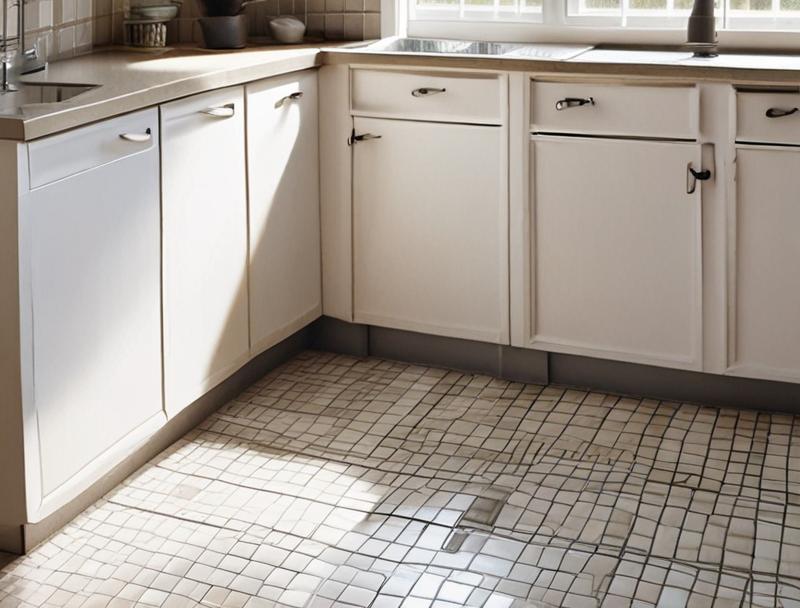
Tile floors are usually very durable and can handle most cleaning methods. The grout between the tiles, however, can sometimes absorb grease. For tile, you can use most of the methods discussed.
The baking soda paste is excellent for cleaning greasy grout lines.
When cleaning tile, use a soft brush to get into the grout. Always rinse thoroughly to remove any residue that could make the tiles slippery. Porcelain tiles are denser and less porous than ceramic, making them even more resistant to stains and grease.
-
Pros: Very durable, easy to clean, resistant to water. Many finishes are suitable for kitchen environments.
-
Cons: Grout can stain and absorb grease if not sealed properly. Can be hard underfoot.
Vinyl and Linoleum Floors
These floors are generally forgiving and can be cleaned with mild solutions. A simple dish soap and water mix is usually enough for regular grease. For tougher spots, the vinegar and water spray works well.
Be cautious with abrasive cleaners like baking soda paste, as they could potentially scratch the surface over time, especially on older or worn vinyl.
Always test any cleaning solution in an inconspicuous spot first. Avoid using too much water on linoleum, as excessive moisture can seep into the seams and cause damage.
-
Pros: Water-resistant, durable, comfortable to stand on, relatively inexpensive.
-
Cons: Can be scratched or dented by heavy objects. Some cleaners can dull the finish.
Laminate Floors
Laminate floors are a popular choice, but they require careful cleaning. Too much moisture can cause the planks to warp or swell. Use a damp mop, not a wet one.
The vinegar and water spray is often a good choice here, but use it sparingly. Make sure the floor is dry quickly after cleaning.
Avoid using oil-based cleaners or wax, as these can leave a slippery residue that’s hard to remove from laminate. Always check the manufacturer’s cleaning recommendations if possible.
-
Pros: Durable surface, mimics the look of wood or stone, easy to install.
-
Cons: Susceptible to water damage, can be scratched, not refinishable.
Hardwood Floors
Cleaning grease off hardwood floors needs extra care. Water is the enemy of hardwood, so you must use a very well-wrung-out mop and avoid letting any liquid sit on the surface. A good option is to use a specialized hardwood floor cleaner or a very mild solution of dish soap and water, applied with a damp cloth or a specially designed hardwood mop.
For spot cleaning grease, you can try dabbing it with a soft cloth dampened with a bit of mineral spirits. Always test this in a hidden area first. After cleaning, ensure the floor is dried immediately with a soft cloth.
- Pros: Beautiful, adds value to home, can be refinished.
- Cons: Susceptible to scratches and water damage, requires specific cleaning methods, can be expensive.
Preventing Future Grease Buildup
Once you’ve cleaned your kitchen floors, you’ll want to keep them that way. A few simple habits can make a big difference in preventing grease from building up in the first place. This saves you time and effort in the long run.
-
Wipe Up Spills Immediately: This is the number one rule. If you spill something, especially something oily or greasy, grab a cloth and wipe it up right away. Fresh spills are much easier to clean than old, dried-on ones.
-
Use Mats Near Cooking Areas: Place a washable mat or rug in front of your stove or where you do most of your cooking. These mats can catch grease splatters before they reach the floor. They are also easier to clean than your entire floor.
-
Regular Light Cleaning: Don’t wait for grease to build up. A quick sweep or vacuum daily and a damp mop with a mild cleaner once a week can prevent major grease problems. This keeps your kitchen looking good without a lot of work.
-
Ventilation: Using your kitchen’s exhaust fan while cooking can help vent away airborne grease particles. This means less grease settles on your floors and other surfaces. It’s a simple step that makes a big difference.
Here’s a quick look at how often different floor types might need a light cleaning to stay grease-free:
| Floor Type | Daily Action | Weekly Action |
|---|---|---|
| Tile | Sweep or vacuum | Damp mop with mild cleaner |
| Vinyl/Linoleum | Sweep | Damp mop with mild cleaner |
| Laminate | Sweep or dust mop | Damp mop with approved cleaner (very little moisture) |
| Hardwood | Sweep or dust mop | Dry mop or very lightly damp mop with approved cleaner |
By following these preventive tips, you’ll find that cleaning your kitchen floor grease effectively becomes a much less frequent and demanding task. It’s all about staying on top of things!
Frequently Asked Questions
Question: What is the best way to clean up a fresh grease spill on my kitchen floor?
Answer: The best way to clean a fresh grease spill is to act quickly. Blot up as much of the grease as you can with paper towels. Then, use a solution of warm water and a good grease-cutting dish soap to wipe the area clean.
Rinse with plain water and dry thoroughly.
Question: Can I use a steam cleaner on my kitchen floors to remove grease?
Answer: Steam cleaners can be effective for some floors, like sealed tile or linoleum, as the heat helps to break down grease. However, they are not suitable for all floor types, especially laminate or unsealed hardwood, as the moisture and heat can cause damage. Always check your floor manufacturer’s guidelines before using a steam cleaner.
Question: How often should I deep clean my kitchen floors to remove grease?
Answer: How often you need to deep clean depends on how much cooking you do and how well you maintain your floors. For most kitchens, a thorough cleaning every month or two is usually sufficient. If you notice a greasy film building up, it’s time for a deep clean sooner.
Question: Will vinegar damage my kitchen floor if I use it to clean grease?
Answer: White vinegar is acidic and can damage certain types of flooring, like natural stone (marble, granite) or unsealed grout, by etching the surface. For most sealed tile, vinyl, or laminate floors, a diluted vinegar solution used occasionally is generally safe. Always test in an inconspicuous area first.
Question: My kitchen floor still feels a little sticky after cleaning. What did I do wrong?
Answer: A sticky floor often means there’s leftover soap residue. You might have used too much dish soap, or you didn’t rinse the floor thoroughly enough. Try rinsing the floor again with just plain warm water and a clean mop.
Make sure to wring your mop well and rinse it often in a separate bucket of clean water.
Summary
Tackling kitchen floor grease is manageable with the right approach. By using simple, everyday items like dish soap, baking soda, and vinegar, you can effectively break down and remove greasy buildup. Remember to prepare your floor, choose the right cleaning solution for your floor type, and rinse thoroughly to avoid residue.
Consistent preventive measures will keep your kitchen floors looking great with less effort.