
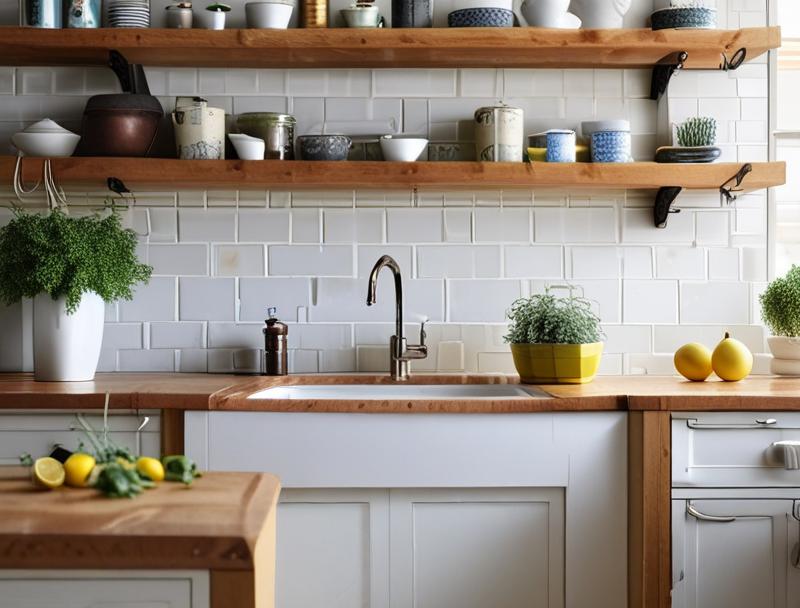
Many folks wonder How to Clean Kitchen Cabinets Without Harsh Cleaners because they want their kitchen to sparkle without using strong chemicals that might be bad for their family or the environment. It can seem tricky at first, especially if you’ve only ever used strong stuff. But don’t worry!
We’ve got a super simple way to get your cabinets looking great. Let’s get your kitchen shining the easy way.
Simple Ways How to Clean Kitchen Cabinets Without Harsh Cleaners
This section covers the basic, everyday methods for keeping your kitchen cabinets looking fresh and clean. We’ll talk about why it’s good to avoid harsh chemicals and what simple, safe ingredients you can use instead. You’ll learn how to tackle common kitchen grime like grease splatters and food stains with things you probably already have at home.
It’s all about making your kitchen shine the natural way, keeping it safe for everyone.
Daily Wipe-Downs for Lasting Shine
Keeping up with your cabinets daily is the best way to prevent tough messes from building up. A quick wipe after cooking or a spill can save you a lot of scrubbing later. This simple habit stops grease and dirt from sticking, making future cleaning sessions much easier.
It helps your cabinets look nice all the time without needing a big cleaning day.
- Gentle Cloth and Warm Water: Simply using a soft, damp cloth with warm water is often enough for daily dust and light smudges. This is the most basic step and very effective for preventing build-up. It works by picking up loose particles without disturbing the cabinet’s finish. Always make sure the cloth is just damp, not soaking wet, to avoid water damage.
- Microfiber Cloths are Your Friend: Microfiber cloths are fantastic for cleaning. They grab dirt and grease better than regular cloths and don’t leave lint behind. Using a clean microfiber cloth means you’re not just moving dirt around; you’re actually lifting it off the surface. They are also very gentle, so they won’t scratch your cabinet surfaces, which is important for maintaining their appearance over time.
- Address Spills Immediately: If something spills on your cabinets, wipe it up right away. This is especially true for sticky or acidic liquids like juice or tomato sauce. Leaving them to sit can cause stains or damage the finish. Quick action is the easiest way to prevent permanent marks and keep your cabinets looking like new with minimal effort.
Natural Cleaning Solutions You Can Make
There are many common household items that can be turned into effective, gentle cleaners for your kitchen cabinets. These solutions are not only safe for your family and pets but also much kinder to your cabinet’s finish than commercial chemical cleaners. Using natural ingredients means you can clean with confidence, knowing you’re not introducing harmful substances into your home environment.
We’ll explore a few of the best and easiest natural cleaning recipes.
The Power of Vinegar and Water
Vinegar is a powerhouse for cleaning. Its natural acidity helps to break down grease and grime. When diluted with water, it becomes a safe yet effective cleaning solution for most cabinet surfaces.
It can also help to neutralize odors, leaving your kitchen smelling fresh. Make sure to use white vinegar, as other types might stain.
- Dilution is Key: Always dilute vinegar with water. A common ratio is 1 part white vinegar to 2 parts water. Too much vinegar can be too strong for some finishes. Mixing it with water makes it gentle enough for regular use while still being effective. You can store this mixture in a spray bottle for easy application.
- Spray and Wipe: Lightly spray the diluted vinegar solution onto a clean microfiber cloth, not directly onto the cabinets. Then, wipe down the cabinet surfaces. This prevents excess moisture from sitting on the wood. The cloth will pick up the dirt and grease as you wipe.
- Rinse and Dry: After cleaning, wipe the cabinets with a separate cloth dampened with plain water to remove any vinegar residue. Then, dry them thoroughly with a clean, dry cloth. This step is important to prevent any lingering moisture from damaging the cabinet finish and ensures a streak-free shine.
Baking Soda Paste for Tougher Stains
Baking soda is a mild abrasive that can help scrub away stubborn grime without scratching. When mixed with water, it forms a paste that’s perfect for tackling baked-on grease or dried food spills. It’s a fantastic natural option for those tougher spots that a simple wipe-down can’t handle.
It lifts away dirt gently.
- Creating the Paste: Mix baking soda with a small amount of water until it forms a thick paste, similar in consistency to toothpaste. You don’t want it too watery, or it won’t stick to the stains. This paste allows the baking soda to sit on the stain and work its magic.
- Applying the Paste: Gently apply the paste to the stained area using your finger or a soft cloth. Let it sit for a few minutes to allow it to soften the grime. Avoid rubbing too hard, as this can still damage the finish. The paste is designed to lift the stain, not scrub it away forcefully.
- Gentle Removal: After a few minutes, gently wipe away the paste with a damp cloth. You might need to use a little more elbow grease here, but still, be careful. Rinse the cloth and wipe the area again to ensure all baking soda residue is removed. Dry the area completely afterward.
Soap and Water: The Classic Combination
A simple solution of mild dish soap and warm water is incredibly effective for cleaning kitchen cabinets. Dish soap is designed to cut through grease, making it ideal for kitchen environments. This method is gentle enough for most cabinet finishes and is a staple in many homes for good reason.
It’s a safe and easy way to keep cabinets clean.
- Choosing Your Soap: Use a mild dish soap, preferably one without harsh degreasers or added dyes. A small amount is all you need. Too much soap can leave a sticky residue that attracts more dirt. A few drops in a bucket of warm water is usually sufficient for a good cleaning solution.
- The Cleaning Process: Dip a soft cloth into the soapy water, wring it out well so it’s damp, not wet. Wipe down the cabinet surfaces, paying extra attention to areas with grease or smudges. Work in small sections to ensure the surface doesn’t stay wet for too long.
- Rinsing and Drying: This is a crucial step. Wipe down the cabinets again with a clean cloth dampened with plain water to remove all soap residue. Then, immediately dry the cabinets with a soft, dry cloth. This prevents water spots and protects the cabinet finish from moisture damage.
Deep Cleaning Your Kitchen Cabinets Naturally
Sometimes, your kitchen cabinets need a more thorough cleaning than a daily wipe-down can provide. This could be due to built-up grease, sticky fingerprints, or accumulated grime over time. Deep cleaning can restore their shine and make them look almost new again.
We will go through a step-by-step process for deep cleaning, focusing on safe and effective natural methods.
Preparing Your Cabinets for Cleaning
Before you start any deep cleaning, it’s important to prepare your cabinets. This means clearing them out and protecting your countertops and floors. Proper preparation ensures a smoother and more effective cleaning process.
It also helps prevent damage to surrounding areas of your kitchen.
- Empty the Cabinets: Take everything out of your cabinets. This allows you to clean both the inside and outside surfaces properly. It’s also a good time to sort through items and get rid of anything you no longer need. Having them empty makes them much easier to access.
- Protect Your Workspace: Lay down old towels or newspaper on your countertops and floor. This will catch any drips from your cleaning solutions and protect these surfaces from potential damage. It makes cleanup much easier after the cabinets are clean.
- Dust and Debris Removal: Use a dry cloth or a soft brush attachment on your vacuum cleaner to remove loose dust and cobwebs from the cabinet surfaces and in the corners. Getting rid of loose dirt first prevents it from turning into mud when you start using wet cleaners.
Tackling Stubborn Grease and Grime
Kitchen cabinets, especially those near the stove, often accumulate a greasy film. This can be tough to remove, but natural solutions can handle it. The key is using the right ingredients and a bit of patience.
We will focus on safe ways to cut through that sticky buildup.
- Lemon Juice and Oil: A mixture of lemon juice and a bit of olive oil can be surprisingly effective. The acidity of the lemon helps cut grease, while the oil can help lift and condition the cabinet surface. Start with a 1:1 ratio and adjust as needed.
- Application Method: Apply this mixture to a soft cloth and gently rub the greasy areas. You might need to let it sit for a few minutes on very tough spots. Avoid soaking the cloth. Work in small sections so the mixture doesn’t dry too quickly on the cabinets.
- Cleaning Up: After letting it sit, wipe the cabinets clean with a damp cloth to remove the oily residue. Then, dry them thoroughly with a clean, soft towel. This combination cleans and leaves a light protective sheen, making the cabinets look great.
Cleaning Different Cabinet Materials
Not all kitchen cabinets are made of the same material, and some cleaning methods work better for certain types. Knowing your cabinet material helps you choose the safest and most effective cleaning approach. This ensures you clean them well without causing any damage.
| Cabinet Material | Best Natural Cleaners | Things to Avoid |
|---|---|---|
| Wood (Sealed/Varnished) | Mild dish soap and water, diluted vinegar. Use a damp cloth, not wet. | Excessive water, abrasive cleaners, ammonia. |
| Laminate | Mild dish soap and water, diluted vinegar. Wipe dry immediately. | Abrasive scrubbers, harsh chemicals, excessive moisture. |
| Painted Cabinets | Mild dish soap and water. Test in an inconspicuous spot first. | Abrasive cleaners, scrubbing too hard, strong solvents. |
| Metal Cabinets | Mild dish soap and water, or a baking soda paste for stubborn spots. | Steel wool, abrasive pads, corrosive cleaners. |
For sealed wood cabinets, the most important thing is to use as little moisture as possible. Wood can swell and warp if it gets too wet. A slightly damp cloth is perfect.
For laminate, it’s important to wipe up any liquid immediately after cleaning to prevent it from seeping into the edges. Painted cabinets can be delicate, so always start with the mildest cleaning solution and test it first. Metal cabinets are usually quite durable, but it’s still wise to avoid harsh chemicals that could cause discoloration or rust.
Maintaining Your Clean Kitchen Cabinets
Once you’ve got your kitchen cabinets looking spick and span, you’ll want to keep them that way. Regular maintenance is much easier than deep cleaning. It involves simple habits that prevent dirt and grime from building up in the first place.
Consistent care ensures your cabinets stay beautiful for years to come.
Establishing a Cleaning Routine
Having a routine makes cleaning feel less like a chore and more like a natural part of kitchen upkeep. It ensures that small messes are dealt with before they become big problems. A consistent routine saves you time and effort in the long run.
- Daily Quick Wipe: Spend two minutes each day wiping down the most-used cabinet fronts, especially around handles and near cooking areas. This prevents grease and food splatters from setting in. It’s a small effort that makes a big difference.
- Weekly Check-Up: Once a week, do a slightly more thorough wipe-down of all cabinet fronts. This catches anything missed in the daily wipe and addresses minor smudges or fingerprints. This keeps your whole kitchen looking consistently clean and tidy.
- Monthly Deep Clean Touch-Up: Every month, give your cabinets a more focused clean. This might involve using your preferred natural cleaner to tackle any areas that look a bit dull or have slight build-up. This prevents the need for infrequent, but very intensive, deep cleans.
Tips for Preventing Future Stains
Prevention is always better than cure, and this holds true for keeping your kitchen cabinets clean. Simple habits can stop many common kitchen messes before they even start. Thinking ahead can save you a lot of scrubbing later on.
- Use Backsplashes and Hoods: A good backsplash behind your stove and a properly functioning range hood can significantly reduce the amount of grease and steam that reaches your cabinets. These are your first line of defense against splatters. Make sure they are cleaned regularly too.
- Wipe Splatters Immediately: If you notice a cooking splatter on your cabinets, wipe it up right away with a damp cloth. This is one of the easiest ways to prevent stains and grease buildup. It takes seconds and saves minutes of scrubbing later.
- Be Mindful of Hand Placement: When opening and closing cabinets, try to use the handles. This simple habit avoids leaving fingerprints and greasy smudges on the cabinet fronts. Over time, these smudges can become harder to remove and dull the finish.
Protecting Your Cabinet Finish
The finish on your cabinets is what protects the material underneath and gives them their shine. Protecting this finish ensures they look good and last longer. Using the right cleaning methods and gentle care is key to preserving their beauty.
- Avoid Harsh Scrubbing: Never use abrasive pads, steel wool, or harsh scrubbing brushes on your cabinets. These can scratch and dull the finish. Even gentle scrubbing should be done with a soft cloth and minimal pressure.
- Limit Moisture Exposure: Always use damp, not wet, cloths when cleaning. Wipe up spills immediately and dry cabinets thoroughly after cleaning. Excessive moisture can damage wood finishes, causing warping or discoloration over time.
- Use Protective Coatings (Optional): For wooden cabinets, you can consider applying a natural wax or a specialized cabinet polish periodically. These can add an extra layer of protection and enhance the shine. Always test any product in an inconspicuous area first to ensure it doesn’t harm your cabinet’s finish.
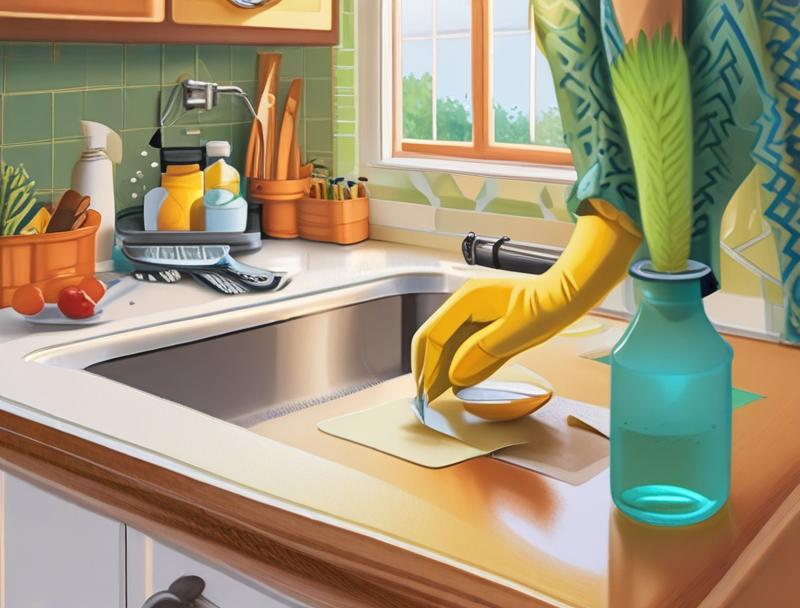
Troubleshooting Common Cabinet Cleaning Issues
Even with the best intentions and natural cleaners, you might encounter some stubborn issues with your kitchen cabinets. This section offers solutions for common problems you might face when cleaning without harsh chemicals. We’ll help you fix them easily.
Dealing with Sticky Residue
Sticky residue on cabinets can come from food spills, cooking sprays, or even certain types of cleaning products. It can be annoying to remove, but natural methods are quite effective. The key is to break down the stickiness.
- Warm Soapy Water: Start with warm water and a mild dish soap. For sticky residue, you might need a slightly stronger concentration of soap. Apply with a soft cloth and let it sit for a minute or two before wiping.
- Vinegar Solution: If soap and water don’t fully remove the stickiness, try a diluted white vinegar solution. The acid in vinegar is excellent at breaking down sticky compounds. Spray it on a cloth and wipe the residue away.
- Baking Soda Paste: For really stubborn sticky spots, a baking soda paste can work wonders. Apply the paste, let it sit, and then gently wipe it away. This provides a mild abrasive action to lift the sticky material without damaging the surface. Always rinse and dry thoroughly afterward.
Removing Water Stains and Rings
Water rings or spots can appear on cabinets from cups left too long or spills that weren’t dried. These can be frustrating, but often can be removed with simple remedies. The goal is to lift the mineral deposits or marks left behind.
- Mayonnaise Trick (for wood): For water rings on sealed wood cabinets, a dab of mayonnaise left on the ring for a few hours can sometimes lift it. The oil in the mayonnaise can help rehydrate and blend the finish. Wipe it off and buff the area.
- Toothpaste (non-gel): A small amount of white, non-gel toothpaste can be used as a mild abrasive. Gently rub it onto the water stain with a soft cloth. Then, wipe clean with a damp cloth and dry thoroughly.
- Iron and Cloth Method (with caution): For very stubborn white water rings on wood, you can try placing a dry cloth over the stain and gently running a warm iron over it for a few seconds. The heat can help draw the moisture out. Be very careful not to overheat or leave the iron on too long, as this can damage the finish.
Addressing Faded Finishes
Over time, cabinet finishes can fade due to sunlight exposure or wear and tear. While you can’t always fully restore a faded finish without refinishing, you can improve their appearance. Natural methods can help bring back some of their luster.
- Furniture Polish or Wax: A good quality natural furniture polish or wax can often revive the look of faded cabinets. Apply it according to the product’s instructions, typically by wiping it on with a cloth and then buffing to a shine. This can even out the appearance and add a protective layer.
- Lemon Oil: For wood cabinets, lemon oil can help restore a bit of their natural sheen. It’s especially good for enhancing the wood’s natural color. Apply a small amount to a soft cloth and rub it into the wood.
- Gentle Cleaning First: Before trying to revive a faded finish, make sure the cabinets are thoroughly clean. Sometimes what looks like fading is just a dull layer of grime. A good cleaning with mild soap and water can often make a big difference before you even try other methods.
Frequently Asked Questions
Question: Can I use dish soap on all types of kitchen cabinets?
Answer: Generally, mild dish soap and warm water are safe for most sealed cabinet finishes, including wood, laminate, and painted surfaces. However, always test in an inconspicuous area first, especially on painted cabinets, to ensure it doesn’t affect the finish.
Question: How often should I deep clean my kitchen cabinets?
Answer: Deep cleaning frequency depends on your kitchen usage. For most households, a deep clean every 3-6 months is sufficient. If you cook a lot or have noticeable grease buildup, you might need to do it more often, perhaps every 2-3 months.
Question: Will vinegar damage my cabinet finish?
Answer: Diluted white vinegar is generally safe for most cabinet finishes when used sparingly. Always dilute it with water (e.g., 1 part vinegar to 2 parts water) and apply it to a cloth, not directly to the cabinets. Wipe clean with water afterward and dry thoroughly.
Avoid prolonged contact with the finish.
Question: How can I clean the inside of my kitchen cabinets?
Answer: For the inside of cabinets, you can use the same mild dish soap and water solution or diluted vinegar. Wipe down the shelves and interior walls with a damp cloth, and then dry them thoroughly. It’s also a good opportunity to wipe down any containers or jars stored inside.
Question: What is the best way to remove crayon marks from cabinets?
Answer: For crayon marks, try a paste made from baking soda and water. Apply the paste to the crayon mark, let it sit for a few minutes, then gently wipe it away with a damp cloth. For very stubborn marks, a dab of mild dish soap on a cloth might also help before resorting to the baking soda paste.
Conclusion
Keeping your kitchen cabinets clean without harsh chemicals is totally doable. By using simple, natural ingredients like vinegar, baking soda, and mild dish soap, you can tackle grease and grime effectively. Regular, gentle cleaning will maintain their shine and protect their finish for years.
Enjoy your sparkling clean kitchen!