
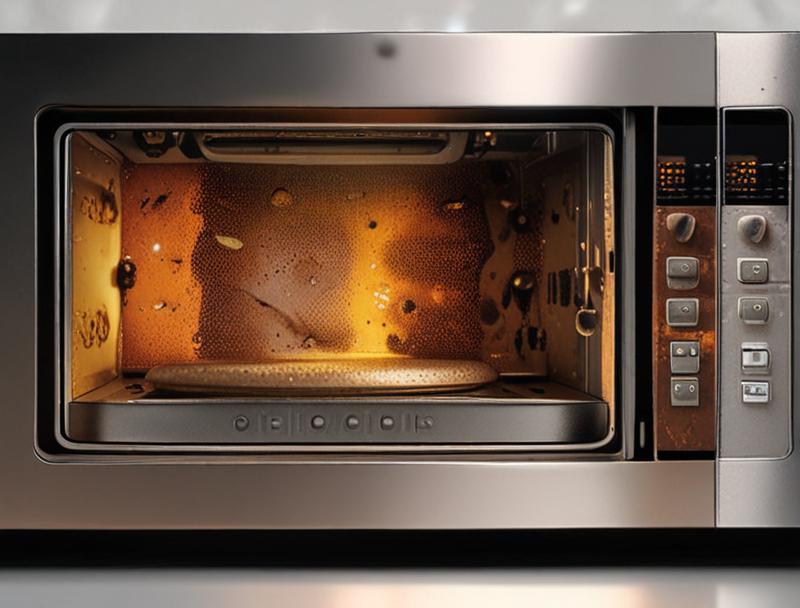
Sometimes, cleaning the microwave feels like a big chore, especially when food splatters have hardened like cement. For many people starting out in their own place, figuring out How to Clean a Microwave with Baked-On Food can be a tricky puzzle. Don’t worry!
It’s not as hard as it looks. We’ll walk you through a super simple, step-by-step plan to make your microwave spotless. Get ready for a fresh, clean appliance without all the fuss.
Simple Ways to Tackle Microwave Messes
This section will show you easy methods for cleaning up common microwave messes. We’ll cover what you need and how to get started. Think of this as your go-to guide for making your microwave sparkle again.
You’ll learn how to deal with those stubborn spots without a lot of scrubbing.
Gathering Your Cleaning Supplies
Before you start cleaning, having the right items makes the job much easier. You don’t need fancy cleaners for this task. Simple things you likely already have at home will work wonders.
This preparation step is key to a smooth cleaning process.
-
Water: This is your main cleaning agent. It helps to loosen up dried-on food. You’ll use it in combination with other methods to create steam or cleaning solutions.
-
Vinegar: White vinegar is a fantastic natural cleaner. Its acidity helps break down grease and grime. It also works well to get rid of smells, making your microwave fresh.
It’s a go-to for many common household cleaning tasks because it’s effective and safe.
-
Lemon: Much like vinegar, the citric acid in lemons can help cut through tough stains. Plus, it leaves a pleasant, fresh scent behind. Using lemon is a great way to add a nice fragrance to your appliance after cleaning.
-
Baking Soda: This powdery substance is a mild abrasive. It can gently scrub away stuck-on bits without scratching surfaces. It’s also great for absorbing odors.
When mixed with water, it forms a paste that can tackle tougher spots.
-
Dish Soap: A little bit of dish soap mixed with water can help lift grease. It’s a common item that’s very effective for general cleaning. It helps to break down the fatty residue that can build up.
-
Cloth or Sponge: You’ll need something to wipe with. A soft cloth is best for wiping down surfaces. A sponge can be useful for scrubbing.
Make sure it’s not too rough so it doesn’t scratch the microwave’s interior.
-
Microwave-Safe Bowl: This is for heating water or a cleaning solution. It needs to be able to go in the microwave safely. A glass or ceramic bowl usually works well.
The Steaming Method for Loosening Grime
Steam is a miracle worker for tough microwave messes. It softens the hardened food bits, making them easy to wipe away. This method requires very little effort.
You let the steam do most of the hard work for you.
Here’s how to do it:
-
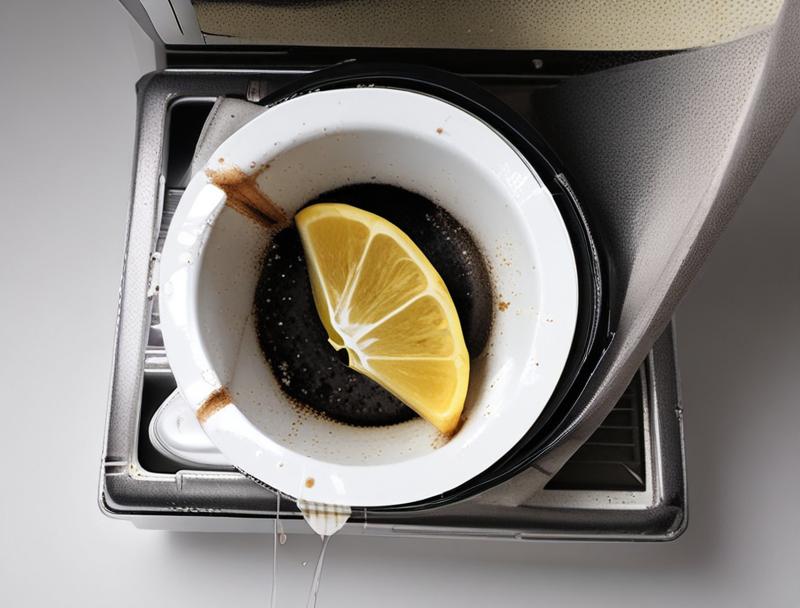
Fill a microwave-safe bowl with about one cup of water. You can add a tablespoon of white vinegar or a few slices of lemon to the water. This boosts the cleaning power.
-
Place the bowl inside the microwave. Close the door.
-
Heat the water on high power for 2 to 5 minutes. You want the water to boil and create plenty of steam inside the microwave.
-
Once the timer is up, let the bowl sit inside the closed microwave for another 5 to 10 minutes. This allows the steam to really soak into the dried-on food.
-
Carefully remove the hot bowl and the turntable plate. Use oven mitts because the bowl and water will be very hot.
-
Wipe down the inside of the microwave with a damp cloth or sponge. The baked-on food should come off much more easily now.
This steaming technique is incredibly effective for dealing with general splatters. It’s a natural way to clean without harsh chemicals. Many people find this to be the easiest first step for tackling their microwave cleaning tasks.
Dealing with Stubborn Baked-On Food
Sometimes, a simple steam isn’t enough. When food has been in there a while, it can get really tough. This section will give you extra tips for those really difficult spots.
We’ll explore how to get rid of even the most caked-on messes.
The Baking Soda Paste Trick
For those extra-hardened bits, a baking soda paste is your best friend. Baking soda acts as a gentle scrub that can lift away tough grime. It’s a safe and effective way to tackle spots that steaming alone didn’t fully clear.
Here’s how to make and use it:
-
In a small bowl, mix a few tablespoons of baking soda with a little bit of water. Stir until you have a thick paste. It should be like toothpaste.
-
Apply the paste directly to the stubborn, baked-on food spots inside your microwave. Make sure to cover the tough areas well.
-
Let the paste sit on the spots for about 5 to 15 minutes. This gives the baking soda time to work on breaking down the grime.
-
After it has sat, use a damp cloth or sponge to gently scrub the paste and the loosened food away. You might need to apply a little pressure, but avoid harsh scrubbing that could damage the surface.
-
Wipe down the entire microwave interior with a clean, damp cloth to remove any paste residue.
This method is great because it uses common pantry items. It avoids chemical cleaners that can leave smells. The gentle abrasive nature of baking soda is key to its effectiveness without causing harm.
Using Dish Soap for Greasy Residue
Grease can be a real pain to remove from microwave interiors. A bit of dish soap can break down that oily film. It’s a simple addition to your cleaning arsenal that makes a big difference.
-
How it Works: Dish soaps are formulated to cut through grease. They contain surfactants that lower the surface tension of water, allowing it to spread more easily and lift oily residue from surfaces. This makes them ideal for tackling the greasy film that often coats microwave walls.
-
Application: You can add a few drops of dish soap to your steaming water or to a damp cloth. Wiping the interior with a soapy cloth will help to dissolve and lift away greasy buildup. Rinsing with a clean, damp cloth afterward is important to remove all soap residue.
Many households use dish soap daily for washing dishes. Its effectiveness extends to cleaning many other surfaces in the home. For microwaves, it’s a reliable component of a multi-step cleaning process when grease is present.
Cleaning the Microwave Turntable and Door
Don’t forget the parts that come out and the door! The turntable plate often has just as many splatters as the walls. The door, especially the inside glass, can also get messy.
Cleaning these parts makes your microwave look and work better.
Cleaning the Turntable Plate
The turntable is usually removable, which makes it easier to clean thoroughly. You can often wash it in the sink like a regular dish.
-
Removal: Carefully take the glass turntable out of the microwave. Most have a roller ring underneath that you can also remove.
-
Washing: Wash the turntable and roller ring in warm, soapy water. Use a soft sponge or cloth. If there are any really stuck-on bits, let it soak for a few minutes.
-
Drying: Dry the turntable and ring completely before putting them back. This prevents water spots and ensures they’re ready to go.
A clean turntable helps the microwave rotate food evenly. It’s a simple step that contributes to better cooking results.
Washing the Microwave Door
The microwave door gets splatters too, especially the inner glass. Food can sometimes get between the glass panels, though this is less common and harder to fix.
For general door cleaning:
-
Use a damp cloth with a little bit of dish soap or your vinegar-water solution to wipe down the inside of the door.
-
Pay attention to the edges and any crevices where food might have splattered.
-
Use a clean, damp cloth to wipe away any soap or vinegar residue.
-
Dry the door with a clean, dry cloth to prevent streaks, especially on the glass.
Keeping the door clean also helps you see inside while the microwave is running. It’s a small detail that adds to the overall user experience.
Maintaining a Clean Microwave
The best way to deal with baked-on food is to prevent it. A little bit of regular cleaning goes a long way. This section offers tips to keep your microwave clean and fresh with minimal effort.
Wipe Up Spills Immediately
This is the most important tip of all. When something spills or splatters, wipe it up right away. A quick wipe while the mess is fresh is much easier than scrubbing dried-on food later.
-
Speed Matters: Fresh spills are wet and haven’t had a chance to harden. A quick wipe with a damp cloth or paper towel can often take care of it before any damage is done.
-
Prevention is Key: By cleaning spills as they happen, you drastically reduce the amount of baked-on food that builds up over time. This makes your microwave cleaning tasks much shorter and less frequent.
Think of it like cleaning up a spill in a pot on the stove. The sooner you address it, the less effort it takes to remove.
Using Microwave Covers
Microwave covers are simple tools that can make a huge difference in keeping your microwave clean. They act as a barrier, preventing food from splattering onto the walls and ceiling of the appliance.
Types of covers:
-
Plastic Vented Covers: These are common and effective. They fit over your plate of food and have vents to allow steam to escape, preventing sogginess. The vents also stop major splatters.
-
Silicone Microwave Covers: These are reusable and often foldable for easy storage. They also have vents and create a good seal to prevent messes.
-
Plate Covers: Some are just simple plastic domes that sit over your food. They are effective at containing most splatters.
Using a cover means your food cooks evenly and your microwave stays much cleaner. It’s a small habit that saves a lot of scrubbing time later on. Some studies suggest that using food covers can reduce interior microwave cleaning needs by up to 70%.
Comparison of Cleaning Methods
When faced with different types of microwave messes, some cleaning methods work better than others. Understanding these differences helps you choose the right approach for the job. This table shows how common methods stack up.
| Cleaning Method | Best For | Ease of Use | Effectiveness on Baked-On Food | Natural/Chemical |
|---|---|---|---|---|
| Steaming with Water/Vinegar/Lemon | General splatters, light grime, odors | Very Easy | Good (softens food) | Natural |
| Baking Soda Paste | Stubborn, caked-on food spots | Moderate | Excellent (gentle scrubbing) | Natural |
| Dish Soap and Water | Greasy residue, general wipe-downs | Easy | Fair (better for grease than dried food) | Mostly Natural (some contain mild chemicals) |
| Commercial Microwave Cleaners | Heavy-duty grime (follow instructions) | Easy to Moderate | Very Good | Chemical |
For most everyday messes, especially baked-on food, the steaming method combined with baking soda paste offers the best natural solution. It’s effective, safe, and uses items commonly found in kitchens. Commercial cleaners can be effective but may leave behind strong scents that linger.
Frequently Asked Questions
Question: How often should I clean my microwave?
Answer: It’s best to wipe up spills as they happen. For a deeper clean, aim to clean your microwave thoroughly once a month, or more often if you notice significant splatters or smells.
Question: Can I use abrasive cleaners like steel wool?
Answer: No, never use abrasive cleaners or harsh scrubbing pads like steel wool. These can scratch and damage the interior surfaces of your microwave.
Question: Why does food get baked on so badly in the microwave?
Answer: When food is heated in the microwave, it can splatter and then dry out very quickly. The high heat can cause the food particles to adhere strongly to the microwave’s surfaces, making them hard to remove.
Question: How do I get rid of bad smells in my microwave?
Answer: You can use the steaming method with vinegar or lemon. Leaving a bowl of baking soda inside the microwave overnight can also help absorb odors.
Question: Is it safe to use vinegar to clean my microwave?
Answer: Yes, it is safe to use white vinegar to clean your microwave. It’s a natural, food-safe cleaner that is effective at removing grime and odors without leaving harmful residues.
Conclusion
Cleaning a microwave with baked-on food is quite manageable. By using simple methods like steaming with water and vinegar, or creating a baking soda paste, you can tackle tough messes. Regular wiping and using food covers prevent future buildup.
Your microwave will be fresh and clean with minimal effort.