
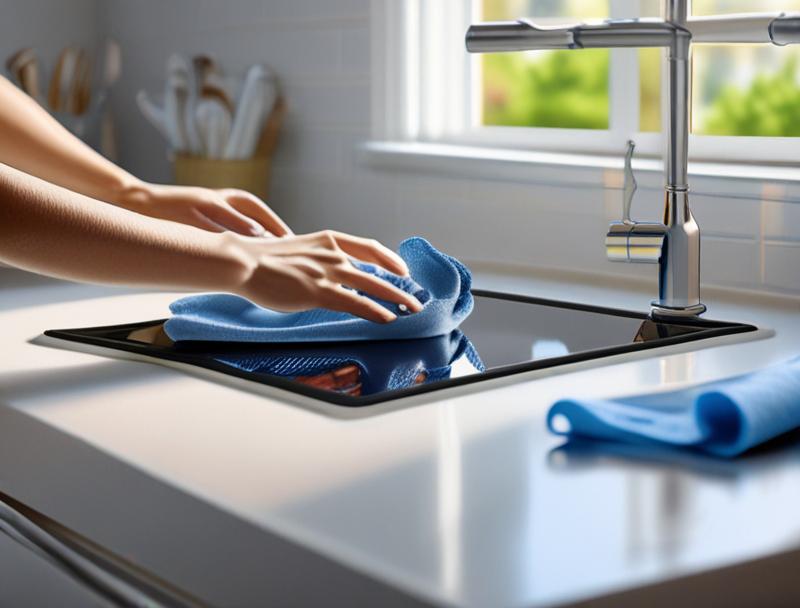
Keeping your glass cooktop looking new can feel tricky. Many people worry about making it worse when they try to clean it. It’s easy to think you’ll end up with annoying scratches that just won’t go away.
But don’t worry! We’ll show you a simple, step-by-step way to make your cooktop shine again. Get ready for a sparkling clean that’s easy to achieve.
Getting Your Glass Cooktop Sparkly Clean
This section will guide you through the essential steps to safely and effectively clean your glass cooktop. We’ll cover the common mistakes people make and what to do instead to avoid damage. You’ll learn about the best tools and cleaners to use.
This will help you keep your cooktop looking great for years to come.
What You Need to Get Started
Before you begin cleaning, gather the right supplies. Using the wrong items can actually cause harm to your cooktop’s surface. Think of it like using the right tools for a DIY project.
Having everything ready makes the job much easier and safer.
-
Gentle Cleaning Cloths: You’ll want soft cloths that won’t scratch. Microfiber cloths are perfect for this. They are great for wiping away messes without leaving little marks.
Regular paper towels can sometimes leave lint behind. So, go for the softest cloths you can find.
-
Non-Abrasive Scraper: Sometimes, burnt-on food is tough. A special cooktop scraper is designed for this. It has a very thin blade, usually made of metal or plastic.
This lets you gently lift away sticky bits. Always hold it at a low angle to the glass to avoid digging in.
-
Glass Cooktop Cleaner: There are cleaners made just for glass cooktops. These are specially formulated to cut through grease and grime. They also often have a protective element.
This helps make your cooktop shine and resist future messes.
-
Baking Soda: This is a fantastic natural cleaner. Baking soda is a mild abrasive. This means it can help scrub away tough spots without being too harsh.
It’s a safe and effective choice for most cleaning jobs.
-
White Vinegar: Vinegar is great for cutting through grease and leaving a streak-free shine. It’s also a natural disinfectant. When mixed with baking soda, it creates a gentle fizzing action that helps lift stubborn stains.
Common Mistakes to Avoid When Cleaning
It’s easy to grab whatever cleaning supplies are under the sink. However, some common household cleaners and tools can do more harm than good. Knowing these pitfalls will save you from costly damage and frustration.
We want your cooktop to sparkle, not to have a cloudy or scratched surface.
-
Using Abrasive Cleaners: Products like steel wool, scouring pads, or powders with rough grains can easily scratch your glass cooktop. These are too harsh for the delicate surface. Always check the label to ensure a cleaner is safe for glass or ceramic cooktops.
-
Using the Wrong Scraper: A regular kitchen knife or a harsh metal scraper can gouge the glass. You need a tool designed specifically for glass cooktops. These have blades that are thin and flexible.
They are meant to glide under burnt-on food without damaging the surface.
-
Scrubbing Too Hard: Even with the right tools, aggressive scrubbing can cause micro-scratches. These tiny marks can build up over time. Gentle, circular motions are usually best.
Let the cleaner and the scraper do most of the work.
-
Not Wiping Spills Quickly: Letting sugary spills or melted plastic sit on a hot cooktop can cause permanent damage. These can etch into the glass. Cleaning up messes as soon as the cooktop is cool enough is a proactive step.
It prevents tough stains from forming in the first place.

The Best Cleaning Methods for a Gleaming Cooktop
Now that you know what to use and what to avoid, let’s get to the actual cleaning. There are a few tried-and-true methods that work wonders. These methods focus on being gentle yet effective.
They’ll leave your cooktop looking like new without any risk of damage.
Method 1: The Gentle Daily Wipe-Down
For everyday messes and light splatters, a simple wipe-down is often all you need. This keeps your cooktop looking its best between deeper cleans. It also prevents small messes from becoming big problems.
This is the best approach for maintaining that shiny surface.
-
Wait for the cooktop to cool down completely. Never try to clean a hot glass surface. This can cause burns and damage the glass. Ensure there’s no residual heat.
-
Spray with a glass cooktop cleaner or a vinegar-water solution. If using a commercial cleaner, follow the bottle’s instructions. For a homemade solution, mix equal parts white vinegar and water in a spray bottle.
-
Let the cleaner sit for a minute. This gives it time to break down any light grease or food residue. Don’t let it dry on the surface.
-
Wipe the surface with a soft, damp microfiber cloth. Use gentle, circular motions. You should see the grime lift away easily.
-
Dry the cooktop with a clean, dry microfiber cloth. This removes any remaining moisture and prevents streaks. Buffing gently can help bring out the shine.
This method is ideal for keeping up with daily cooking. It takes just a few minutes. It prevents build-up that would require more intense cleaning later on.
For example, after frying eggs or making toast, a quick wipe is usually sufficient. This prevents grease splatters from hardening.
Method 2: Tackling Stubborn Stains with Baking Soda
When regular wiping isn’t enough, baking soda comes to the rescue. This method is excellent for removing dried-on food and tougher spots. It uses a mild abrasive action that’s safe for the glass.
-
Ensure the cooktop is cool. Safety first! Never clean a warm or hot surface.
-
Sprinkle a generous amount of baking soda over the stained areas. You want a good layer of powder covering the spots you need to clean.
-
Drizzle a little white vinegar over the baking soda. This will cause it to fizz. The fizzing action helps to loosen the grime. You can also spray a vinegar-water solution.
-
Let the paste sit for 10-15 minutes. For very tough stains, you might let it sit longer. This allows the baking soda and vinegar to work their magic.
-
Gently scrub the area with a soft cloth or sponge. Use light, circular motions. If needed, you can use the soft side of a non-scratch scrub sponge.
-
Wipe away the baking soda paste with a damp cloth. Rinse your cloth often to remove all the residue. You might need to go over it a few times.
-
Dry and buff with a clean, dry microfiber cloth. This will leave your cooktop looking spotless and shiny.
A common scenario where this method shines is after a cooking session involving sauces that simmer for a long time. If some sauce boils over and burns onto the surface, the baking soda paste will effectively lift it. Imagine a pot of chili bubbling over; the dried, crusty bits are no match for this gentle approach.
Method 3: Using a Cooktop Scraper for Burnt-On Messes
For those really tough, burnt-on bits that baking soda can’t quite lift, a specialized scraper is the next step. This tool is designed to carefully remove hardened food without scratching the glass. It requires a bit of technique, but it’s very effective.
-
Make sure the cooktop is completely cool. This is crucial for safety and to prevent thermal shock to the glass.
-
Hold the scraper at a very low angle. Aim for about 30 degrees to the glass surface. This angle helps the blade glide under the burnt food.
-
Apply gentle, steady pressure. Do not force the scraper. You are trying to lift the burnt residue, not dig into the glass.
-
Carefully scrape away the burnt-on material. Work in small sections. Wipe the scraped bits away with a cloth as you go. This prevents them from being smeared.
-
Once the worst is removed, follow up with Method 1 or 2. A light cleaning with a cooktop cleaner or baking soda paste will remove any remaining traces and leave a shine.
Think about a time when you accidentally let sugar melt onto the cooktop while making candy. Once cooled, that sticky, hardened sugar can be very difficult to remove. Using a cooktop scraper at a low angle is the safest way to lift this off.
You might need to gently scrape, then follow with a cleaner to remove any stickiness left behind.
Deep Cleaning and Maintenance Tips
Beyond the basic cleaning methods, there are other things you can do. These tips will help keep your cooktop in top shape. Regular care prevents major problems and keeps it looking great.
Dealing with Tough Spots and Stains
Sometimes, even with the best efforts, a stubborn spot might remain. Don’t give up! There are a few extra tricks you can try for those really persistent marks.
These are usually for situations where food has been left on for too long and has really baked on.
-
Repeat the Baking Soda Method: If a tough stain didn’t come out the first time, try the baking soda paste method again. Sometimes, a second application is all it needs. Ensure you let the paste sit for a longer period, perhaps 30 minutes or more, for very stubborn marks.
-
Use a Specialized Cooktop Cleaner and Pad: Many brands offer cleaning kits that include a cream cleaner and a special cleaning pad. These pads are designed to be non-abrasive but effective. They work well with the cream cleaner to buff out tough residue.
-
Lemon Juice for Shine: For a natural shine boost after cleaning, rub a half lemon over the cool cooktop. The citric acid can help cut through lingering grease and leave a fresh scent. Wipe it off with a damp cloth and then dry.
Consider a scenario where cheese or tomato sauce has bubbled over and completely dried onto the glass. This can leave a tough, colored stain. Applying the baking soda paste and letting it sit overnight, followed by gentle scraping and cleaning, might be necessary.
This patience is key for such difficult stains.
Preventative Measures for a Lasting Shine
The best way to handle cooktop cleaning is to prevent messes from becoming problems in the first place. A few simple habits can make a huge difference in how often you need to do deep cleaning.
-
Clean Spills Immediately (Once Cool): As mentioned, sugary or acidic spills are the worst offenders. As soon as the cooktop is cool enough to touch, wipe up any spills. This prevents them from hardening and bonding to the glass.
-
Avoid Sliding Pots and Pans: Always lift pots and pans when moving them. Sliding them across the glass surface, even if it doesn’t look like it, can cause fine scratches over time. This is especially true for pans with rough bottoms.
-
Use Cookware Designed for Glass Tops: Check your pots and pans. Many manufacturers make cookware with smooth, flat bottoms that are ideal for glass cooktops. Avoid pans with warped or uneven bases.
-
Protect the Surface During Heavy Cooking: If you know you’ll be doing a lot of heavy cooking with potential for splatters, consider laying down a piece of parchment paper or a heat-resistant mat around the cooking area. This can catch some of the mess before it hits the cooktop.
A great example of prevention in action is after making bacon. The grease can splatter quite a bit. If you wipe down the cooktop immediately after it cools, you remove the grease before it cools and becomes harder to clean.
This simple act saves you from a tougher cleaning job later.

Understanding Cooktop Material Differences
While this guide focuses on glass cooktops, it’s worth noting that not all glass cooktops are exactly the same. Some might have slight variations in their coatings or construction. Knowing this can help you be even more careful.
Most modern cooktops are made of a ceramic glass material that is very durable but still requires care.
Ceramic Glass vs. Other Materials
Ceramic glass cooktops are designed to withstand heat and provide a smooth cooking surface. They are a popular choice because they look sleek and are easy to clean when done correctly. Other types of cooktops, like gas or older electric coil ones, have different cleaning needs.
For instance, a gas cooktop has grates that need to be removed and cleaned separately. Electric coil cooktops have drip pans that collect spills and can often be removed and washed. Glass cooktops, however, offer a seamless surface which can make cleaning spills easier, but also means any damage is more visible.
The key here is recognizing the smooth, often black or gray, glassy surface. If you have raised elements or burners, it’s likely not a glass cooktop. When in doubt, check your appliance manual.
Your manual will have specific cleaning advice for your model.
The durability of ceramic glass is impressive. It can handle high temperatures and resist scratching if treated properly. However, it’s not indestructible.
Avoid dropping heavy items on it, as this can cause chips or cracks. This is a different kind of damage than a scratch, and usually more serious.
The Importance of Manufacturer Recommendations
Every appliance manufacturer has specific guidelines for caring for their products. Your cooktop’s manual is the ultimate guide. It will tell you exactly what cleaners are approved and which ones to avoid.
Following these recommendations is the best way to ensure longevity and optimal performance of your appliance.
For example, some manufacturers might suggest using a specific brand of cleaner or a particular type of cloth. They might also have warnings about certain types of food residues. If you’ve lost your manual, you can usually find a digital copy on the manufacturer’s website by searching for your appliance model number.
Adhering to these recommendations is vital. It protects your warranty and ensures you’re cleaning your cooktop in the safest and most effective way. It’s a small step that can prevent bigger problems down the line.
Think of it as following the doctor’s advice for your appliance.
Frequently Asked Questions
Question: Can I use Windex on my glass cooktop?
Answer: It is generally not recommended to use Windex or other standard glass cleaners on a glass cooktop. These cleaners can contain ammonia or other chemicals that may leave streaks or damage the cooktop’s surface over time. It’s best to use cleaners specifically designed for glass cooktops.
Question: How do I remove white spots from my glass cooktop?
Answer: White spots are often mineral deposits from water or residue from cleaners. You can try rubbing the spots with a cloth dampened with white vinegar. If that doesn’t work, a specialized glass cooktop cleaner should remove them.
Ensure you dry the cooktop thoroughly afterward.
Question: Is it safe to use a razor blade to clean my cooktop?
Answer: A specialized glass cooktop scraper with a razor blade is safe and effective when used correctly at a low angle. However, using a regular razor blade or holding it at the wrong angle can cause deep scratches. Always use a tool designed for cooktops and follow proper technique.
Question: How often should I deep clean my glass cooktop?
Answer: The frequency of deep cleaning depends on how often you use your cooktop and how messy your cooking is. For most households, a deep clean once a week or every two weeks, along with daily wipe-downs, is sufficient. If you notice significant buildup or tough stains, clean it as needed.
Question: What if I accidentally use an abrasive cleaner?
Answer: If you’ve used an abrasive cleaner, rinse the cooktop thoroughly with water and dry it. Check for any new scratches or dullness. For minor surface damage, sometimes a good polish with a dedicated cooktop cleaner can help improve the appearance.
For severe scratches, professional advice might be needed.
Summary
Cleaning a glass cooktop without scratches is simple when you use the right tools and techniques. Gentle cleaners, soft cloths, and a specialized scraper are your best friends. Avoid harsh abrasives and scrubbing too hard.
Regular wipe-downs and prompt attention to spills will keep your cooktop looking shiny and new for a long time. You’ve got this!