
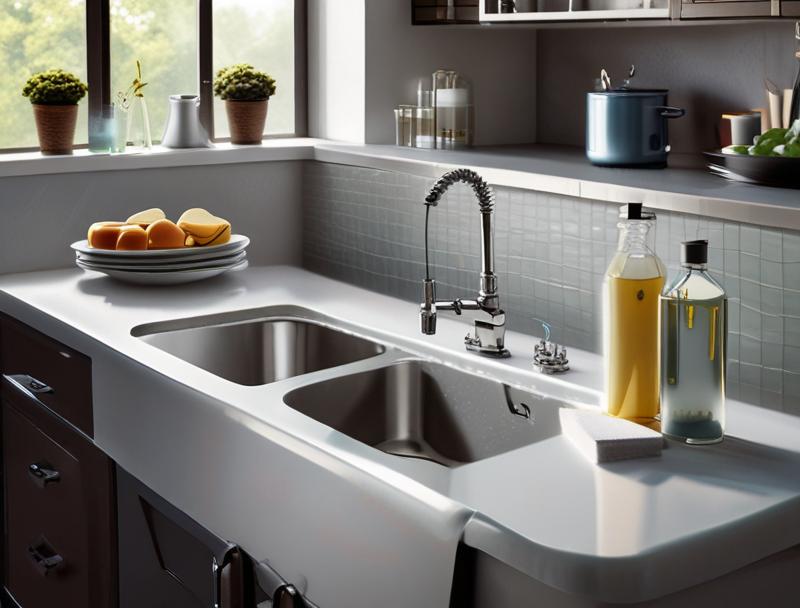
It can be really overwhelming to face a kitchen pest problem. Thinking about How to Clean Kitchen After Pest Infestation might seem like a huge job, especially if you’ve never dealt with it before. You might worry about finding all the tiny bugs or getting rid of the mess they leave behind.
But don’t worry, we’re here to make it super simple. We’ll walk you through it, step by step, so you can get your kitchen clean and safe again. Let’s get started on making your kitchen sparkle.
Getting Your Kitchen Ready for a Deep Clean
Before you even start scrubbing, it’s important to get your kitchen prepared. This means clearing out cabinets and drawers, and gathering the right cleaning supplies. A good preparation phase ensures that your cleaning efforts are efficient and thorough.
It also helps prevent spreading any remaining pests or their traces to other parts of your home. Think of this as setting the stage for a successful clean-up operation.
Clearing Out Food and Supplies
The first big step is to remove all food items from your kitchen. This includes everything from the pantry, refrigerator, and countertops. Pests are attracted to food sources, so getting rid of them is key.
Seal any opened food packages in airtight containers or heavy-duty plastic bags. If you suspect any food has been contaminated by pests, it’s best to throw it away. This might seem like a lot of food, but it’s a necessary step for a thorough clean.
- Removing all food ensures that you can see all surfaces clearly. This helps in identifying any hidden pest activity or droppings that might be lurking in corners or under items. It also makes the cleaning process much easier as you won’t have to work around obstacles.
- Sealing food properly is vital. Use strong, airtight containers made of glass or sturdy plastic. This not only protects your food from pests but also from any cleaning chemicals you might use later. It’s a good habit to keep up even after the infestation is gone.
- Disposing of contaminated food is non-negotiable. If you see signs of pests on your food, like droppings or gnaw marks, it’s safer to discard it. Don’t risk it; pests can spread diseases. This might mean losing some groceries, but your health is more important.
Gathering Your Cleaning Arsenal
Having the right tools and cleaning agents makes a big difference. You’ll need things like gloves, masks, trash bags, sponges, scrub brushes, and a vacuum cleaner with a hose attachment. For cleaning solutions, a good all-purpose cleaner, a disinfectant, and perhaps a natural pest deterrent like vinegar or baking soda will be useful.
Make sure you have plenty of paper towels or microfiber cloths for wiping surfaces.
- Safety first: Always wear rubber gloves to protect your hands from harsh cleaning chemicals and any potential contaminants left by pests. A mask is also a good idea to avoid inhaling dust or cleaning fumes.
- Effective tools: A powerful vacuum cleaner with a crevice tool is essential for getting into tight spots and sucking up tiny pests and their eggs. Scrub brushes will help you tackle stubborn grime and dried-on residue.
- Cleaning solutions: You’ll need a strong disinfectant to kill germs and bacteria left by pests. An all-purpose cleaner can tackle general dirt. For a more natural approach, white vinegar is excellent for cleaning and has some repellent properties.
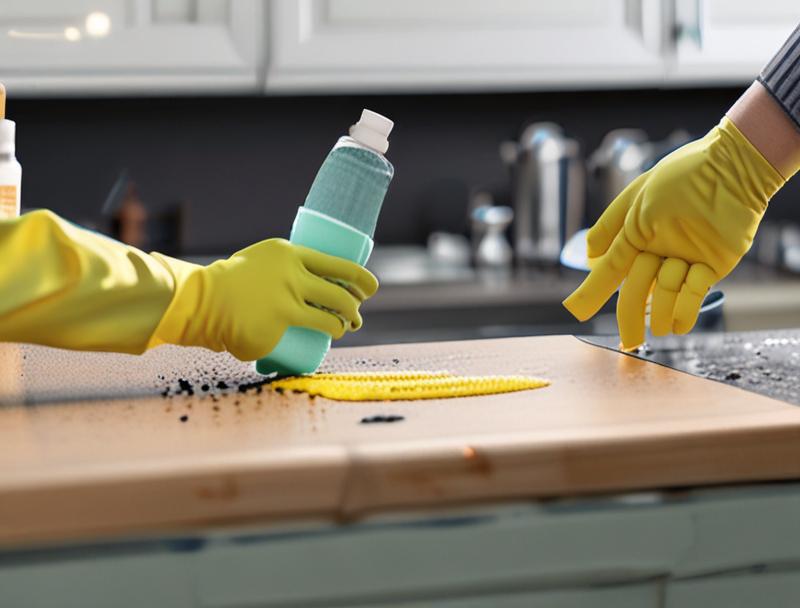
The Deep Cleaning Process: Tackling Pests and Their Traces
Now it’s time for the real cleaning. This phase focuses on actually removing pests, their droppings, and any damage they may have caused. We’ll break it down by area so you can tackle each part systematically.
This thorough approach ensures that no spot is missed, leaving your kitchen truly clean and pest-free.
Cleaning Surfaces and Countertops
Start with your countertops and table surfaces. These are high-traffic areas that pests often visit. Use your all-purpose cleaner or a vinegar-water solution to wipe them down thoroughly.
Pay special attention to any sticky spots or crumbs. After cleaning, a disinfectant spray will help kill any lingering germs.
- Wipe down all flat surfaces: This includes countertops, tables, and even the sides of appliances. Get into corners and along edges where pests might hide or leave droppings.
- Address sticky residues: Pests are often attracted to sweet or greasy residues. Use a good degreaser or a paste of baking soda and water to lift these tough spots.
- Disinfecting is key: After cleaning, spray the surfaces with a disinfectant and let it sit for the time recommended on the product label. This ensures that any harmful bacteria are neutralized.
Scrubbing the Sink and Faucet
Your sink and faucet are prime spots for pests, especially if there’s moisture and leftover food particles. Use a non-abrasive scrub brush and a paste of baking soda and water or a dedicated sink cleaner. Scrub all around the drain, faucet handles, and the basin itself.
Rinse thoroughly to remove all cleaning residue.
- Don’t forget the drain: Pests can enter through drains or find food debris there. Use an old toothbrush or a small brush to clean around the drain opening.
- Shine the faucet: Clean and disinfect the faucet handles, spout, and base. These are touched often and can harbor germs.
- Rinse well: Make sure all cleaning products are completely rinsed away to avoid leaving a residue that might attract pests again.
Deep Cleaning Cabinets and Drawers
This is a crucial step. You need to empty out every cabinet and drawer. Wipe down the inside of each shelf and drawer with your cleaning solution.
Look for any signs of nesting material or droppings. A vacuum with a crevice tool is excellent for getting into the corners of cabinets. For stubborn residue, a damp cloth with a bit of dish soap can work wonders.
Dealing with Shelves and Walls
Each shelf inside your cabinets needs attention. Wipe them down from back to front. If you find any sticky spots or food particles, use a bit more cleaner or a damp cloth to remove them.
Cleaning Drawer Interiors and Runners
Pull out drawers completely if possible. Clean the inside surfaces, including the drawer runners. These often collect dust and crumbs that pests can feed on.
- Empty everything out: You must take absolutely everything out of every cabinet and drawer. This allows you to see the full extent of any pest activity.
- Wipe down every surface: Use a damp cloth with a gentle cleaner to wipe down all interior surfaces. Pay attention to corners and edges.
- Check for damage: While cleaning, look for any signs of gnawing or damage to the cabinet material, which can indicate a more serious infestation.
Vacuuming and Mopping the Floors
After cleaning all surfaces, turn your attention to the floor. Start by vacuuming thoroughly, paying close attention to baseboards, corners, and under appliances. Use the crevice tool to get into any tight spots where pests might hide or lay eggs.
Once vacuumed, mop the entire floor with a disinfectant cleaner. Make sure to cover every inch.
- Vacuum everywhere: Go over the entire floor with your vacuum cleaner. The goal is to suck up any stray pests, eggs, or droppings that you might have missed.
- Focus on edges and corners: Pests love to hide along baseboards and in the corners of rooms. Use your vacuum’s crevice tool to clean these areas well.
- Mop with disinfectant: After vacuuming, mop the floor using a disinfectant solution. This kills any remaining germs and helps leave the kitchen smelling fresh.
Cleaning Appliances
Appliances can be hidden havens for pests. You’ll need to clean the inside and outside of your refrigerator, oven, microwave, and dishwasher. For the refrigerator, pull out shelves and drawers to clean them separately.
For the oven, remove racks and clean the interior. Don’t forget to clean around and under the appliances, as pests can get into these spaces.
Refrigerator Cleaning
Unplug the refrigerator. Remove all food items and shelves. Wash shelves and drawers with warm, soapy water.
Wipe down the inside walls and door seals with a disinfectant. Dry everything thoroughly before putting it back.
Oven and Microwave Cleaning
For the oven, remove racks and use an oven cleaner or a baking soda paste. For the microwave, heat a bowl of water with vinegar or lemon slices inside for a few minutes, then wipe down the interior. Clean the exterior surfaces of all appliances.
- Clean the fridge thoroughly: Empty it completely. Wash shelves, drawers, and seals. Wipe down the interior walls with a disinfectant.
- Tackle the oven and microwave: Remove oven racks. Use oven cleaner or a baking soda paste for tough grime. For the microwave, steam cleaning with vinegar and water works well.
- Don’t forget the exteriors: Wipe down the outside of all appliances, including handles and control panels.
Preventing Future Pest Problems
Once your kitchen is sparkling clean, the next important step is to make sure pests don’t come back. This involves keeping things tidy, sealing entry points, and being smart about food storage. A little bit of ongoing effort can save you a lot of trouble down the road.
Maintaining Food Storage Habits
Proper food storage is your first line of defense. Keep food in airtight containers. Store dry goods like flour, sugar, and cereal in sealed glass, metal, or sturdy plastic containers.
Don’t leave pet food out overnight. Clean up spills and crumbs immediately, even small ones.
- Use airtight containers: This is the most effective way to keep pests out of your food. Plastic containers with tight-fitting lids or glass jars are great choices.
- Clean up spills right away: Even tiny crumbs can attract pests. Make it a habit to wipe down counters and floors after every meal or snack.
- Manage pet food: Don’t leave pet food sitting out for extended periods. Store dry pet food in sealed containers as well.
Sealing Entry Points
Pests can get into your home through tiny cracks and holes. Inspect your kitchen for any gaps around pipes, windows, and doors. Use caulk or steel wool to seal these openings.
Check the seals on your pantry doors and consider using weather stripping.
- Inspect for holes: Walk around your kitchen and look for any small openings where pests could squeeze through. Pay attention to areas where pipes or wires enter the kitchen.
- Seal cracks and gaps: Use caulk to fill small cracks in walls or around windows. For larger holes, steel wool can be effective as pests don’t like chewing through it.
- Check door and window seals: Ensure that doors and windows close tightly. Replace worn-out weather stripping to create a better seal.
Regular Cleaning Schedules
A consistent cleaning routine is your best friend in pest prevention. Sweep or vacuum your kitchen floor daily, especially after meals. Wipe down countertops and sinks regularly.
Deep clean cabinets and appliances at least once a month. This removes potential food sources and nesting materials.
- Daily tidiness: Make it a habit to sweep or vacuum the kitchen floor every day. This removes crumbs and debris that pests feed on.
- Regular surface cleaning: Wipe down countertops and sinks daily. This prevents food particles from accumulating.
- Monthly deep cleans: Schedule a monthly deep clean for cabinets, appliances, and floors. This helps maintain a pest-free environment over time.
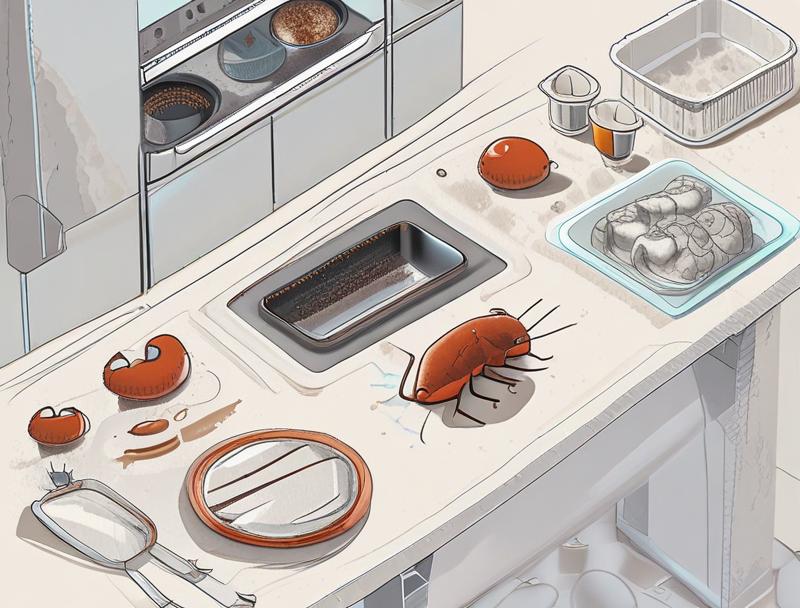
Understanding Pest Behavior for Better Prevention
Knowing how pests behave can help you in preventing them from coming back. Different pests have different attractants and habits. For example, ants are drawn to sweets and water, while cockroaches like grease and dark, moist places.
Understanding these preferences allows you to target your prevention efforts more effectively.
Common Kitchen Pests and Their Habits
Some of the most common kitchen invaders include ants, cockroaches, mice, and fruit flies. Ants often follow scent trails to find food. Cockroaches are nocturnal and can hide in very small spaces.
Mice are attracted to food and water and can chew through many materials. Fruit flies are attracted to ripe or fermenting fruit and vegetables.
- Ants: They come in colonies and follow scent trails. Keep food sealed and clean up sugary spills immediately.
- Cockroaches: They are nocturnal and love grease and moisture. Clean grease traps and fix leaky pipes.
- Mice: They are attracted to food and water and can fit through tiny openings. Seal all food and eliminate water sources.
- Fruit Flies: They breed in ripe or decaying fruit and moist areas. Remove overripe fruit and keep drains clean.
Natural Deterrents and Repellents
There are several natural ways to deter pests. Peppermint oil can repel ants and spiders. Vinegar can clean surfaces and deter many insects.
Baking soda can be used to absorb moisture and also has some repellent properties when mixed with sugar for ants. Some plants, like basil and mint, can also help keep certain pests away when placed in the kitchen.
- Peppermint oil: Put a few drops on cotton balls and place them in areas where you’ve seen pests. The strong scent can drive them away.
- Vinegar: Use diluted white vinegar to wipe down counters and floors. Its strong smell is off-putting to many insects.
- Baking soda: Sprinkle baking soda in areas where ants are present, especially mixed with a little sugar to attract them. They will eat it, and it can be harmful to them.
When to Call a Professional
While DIY cleaning can solve many problems, sometimes an infestation is too severe or persistent to handle on your own. If you see a large number of pests, or if they keep returning despite your best efforts, it’s time to consider calling a professional pest control service. They have the expertise and tools to deal with stubborn infestations safely and effectively.
- Signs of a severe infestation: If you’re seeing pests frequently, even after cleaning, or if you notice damage to your home, it could be a sign of a larger problem.
- Persistent problems: If you’ve tried multiple cleaning and prevention methods and the pests keep coming back, it’s a clear indicator that professional help is needed.
- Health concerns: Some pests can spread diseases. If you are concerned about the health risks associated with a pest problem, it’s wise to consult a professional.
Frequently Asked Questions
Question: How do I get rid of the smell after a pest infestation?
Answer: After cleaning, the lingering smell can be unpleasant. You can use natural air fresheners like simmering cinnamon sticks and citrus peels on the stove, or open windows to let in fresh air. Baking soda placed in open containers around the kitchen can also help absorb odors.
Question: Can I reuse food containers after an infestation?
Answer: It’s best to be cautious. If a food container was directly contaminated or accessible to pests, it’s safer to discard it. For containers that were sealed and showed no signs of pest entry, thoroughly wash them with hot, soapy water and disinfect them before reuse.
Question: How long should I wait before putting food back in cabinets?
Answer: Once you have completed your thorough cleaning and disinfection, you can start putting food back. Ensure all food is properly sealed in airtight containers to prevent future issues.
Question: What is the best way to clean pest droppings?
Answer: Always wear gloves and a mask. Dampen the droppings slightly with a disinfectant spray to prevent dust from becoming airborne. Then, carefully wipe them up with paper towels and dispose of them in a sealed bag.
Finally, clean the area thoroughly with disinfectant.
Question: Should I clean my pantry shelves with bleach?
Answer: While bleach is a strong disinfectant, it can be harsh and its fumes can be strong. A solution of equal parts white vinegar and water, or a mild dish soap and water, followed by a good rinse and thorough drying, is often sufficient and safer for pantry shelves.
Final Thoughts
Taking care of your kitchen after pests is totally doable. You’ve learned how to clear everything out, clean each surface carefully, and then stop them from coming back. Keep up with simple daily and weekly tasks, and your kitchen will stay a clean, happy place.
You’ve got this!