
Dealing with roaches in the kitchen can be a real worry, especially when you’re just starting out. Many people find it tricky to know where to begin. But don’t fret!
We’ve got a super simple, step-by-step plan that will help you win the battle against these pests. Get ready to learn the secrets to keeping your kitchen roach-free.
Keeping Your Kitchen Roach-Free
This part is all about the first steps you can take to make your kitchen less welcoming to roaches. We’ll look at the main reasons why roaches like kitchens so much and what you can do right away to make a big difference. Think of it as preparing the battleground for a cleaner, roach-free home.
We’ll cover the most important things to tackle first to get you on the right track.
Food Sources: The Main Draw
Roaches are mostly looking for food. If they find it, they stick around. This is why keeping food secured is a top priority.
They are not picky eaters and will munch on almost anything. This includes crumbs, grease, and even soap. Removing these attractants is key.
-
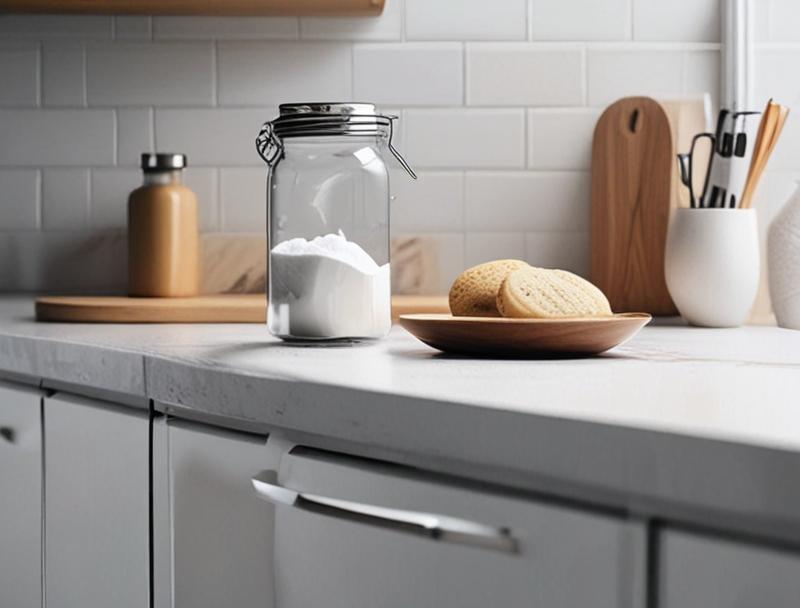
Store food properly. Always keep food in airtight containers. This stops roaches from getting to dry goods like cereal, flour, or sugar.
Plastic containers with tight-fitting lids work well. Glass jars are also a good choice. Make sure to seal any opened packages completely.
-
Clean up spills and crumbs fast. Don’t let food bits linger on counters, floors, or in toasters. Wiping down surfaces after cooking and eating is super important.
A quick sweep or vacuum of the kitchen floor can also catch many stray crumbs.
-
Empty trash cans regularly. Roaches love garbage. Make sure your kitchen trash can has a tight-fitting lid.
Take the trash out every night, especially if it has food scraps. Rinse out the can often to remove any sticky residue.
One common mistake beginners make is not realizing how much food is available to roaches. A study by the National Pest Management Association found that 80% of homes had signs of pest activity, with kitchens being the most common area. Roaches can survive for weeks without food, but regular access makes them more likely to stay and breed.
Water Sources: The Essential Element
Just like us, roaches need water to survive. Leaky pipes, dripping faucets, and damp sponges are like a buffet for them. Finding and fixing these water leaks is a big step in preventing them.
Even a small amount of moisture can attract roaches. They can get water from many places, so a thorough check is needed.
-
Fix leaky pipes and faucets. Check under your sink and around your dishwasher for any drips. Even small leaks can create puddles or damp spots.
Repairing them quickly stops roaches from having a constant water supply.
-
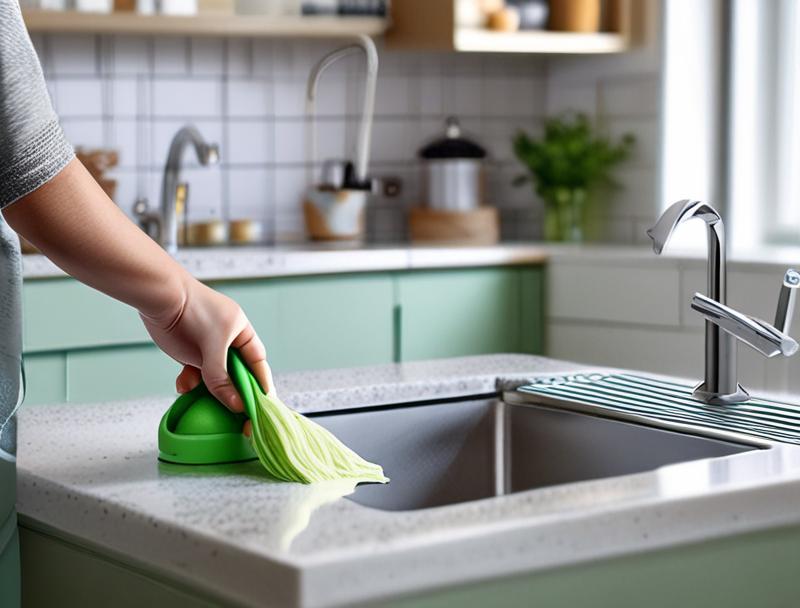
Dry out sinks and counters. After washing dishes or preparing food, make sure to wipe down your sink and countertops. Don’t leave wet cloths or sponges lying around.
These can become breeding grounds for roaches.
-
Check pet water bowls. If you have pets, make sure to empty and dry their water bowls overnight. This removes another potential water source for pests.
Think of it this way: a roach might be able to find a crumb here or there, but a steady source of water is a much bigger draw. They can live for a month without eating, but only about a week without water. Therefore, eliminating water sources is just as vital as removing food.
Entry Points: How They Get In
Roaches can sneak into your home through tiny cracks and openings. Sealing these entry points is a smart way to keep them out. They can fit through spaces smaller than a dime, so it’s important to be thorough.
Checking the outside of your home for holes is also important.
-
Seal cracks and gaps. Use caulk to seal any openings around pipes, windows, doors, and baseboards. Pay special attention to areas where utilities enter your home.
Small cracks can be easily overlooked, but roaches can exploit them.
-
Check window and door seals. Make sure your screens are in good repair and that there are no gaps around your doors. Weather stripping can help seal gaps at the bottom of doors.
-
Inspect items brought into your home. Roaches can hitch a ride on groceries, furniture, or even cardboard boxes. Be mindful of where these items come from and inspect them before bringing them inside.
A recent survey indicated that nearly 30% of pest control professionals reported an increase in cockroach infestations during warmer months, often linked to insects seeking shelter indoors through new entry points. This highlights the importance of proactive sealing.
Deep Cleaning for Roach Prevention
This section goes beyond quick fixes and focuses on a thorough cleaning routine. Deep cleaning tackles hidden dirt and grime that roaches love. It’s about making your kitchen truly inhospitable to them.
We will explore different areas and methods to ensure no corner is left unaddressed.
Kitchen Appliances: Hidden Hangouts
Appliances can hide a lot of food debris and grease. Roaches love these hidden spots. Regular cleaning of appliances is crucial for prevention.
-
Clean refrigerator coils. Dust and grime can build up on refrigerator coils, creating a cozy spot for roaches. Unplug the fridge and carefully clean the coils with a vacuum cleaner brush attachment.
-
Scrub stovetops and ovens. Food splatters and grease can accumulate here. Make sure to clean the stovetop thoroughly after each use.
For the oven, use an oven cleaner or self-cleaning function as needed. Don’t forget to clean the drip pans.
-
Clean behind and under appliances. Roaches love dark, undisturbed spaces. Pull out your refrigerator, stove, and dishwasher periodically to clean the floor and walls behind and underneath them.
This area can collect significant debris.
-
Wipe down microwaves. Food particles often get stuck inside microwaves. A quick wipe-down after each use and a more thorough cleaning weekly can prevent these attractants.
Consider the toaster. Crumbs often fall to the bottom of a toaster and can become a feast for roaches. Make it a habit to empty the crumb tray regularly.
For some models, you might need to turn it upside down over a trash can to get all the crumbs out. This simple act can remove a significant food source.
Cabinets and Pantry: Stockpile Pests
These are prime spots for roaches because that’s where food is stored. Keeping them clean and organized is vital.
-
Organize your pantry. Use clear, airtight containers for all dry goods like pasta, rice, cereal, and flour. This makes it easy to see what you have and prevents spills.
-
Wipe down shelves regularly. Food spills can happen in pantries. Clean shelves with a mild soap and water solution.
This removes sticky residues that attract pests.
-
Check for damaged packaging. Roaches can chew through thin packaging. Inspect items before putting them in the pantry and discard anything that looks compromised.
-
Declutter regularly. Get rid of expired food items. Old, forgotten food in the back of cabinets can become a major roach attraction.
Think about cardboard boxes. Roaches love to hide in the corrugated spaces of cardboard. If you buy items in bulk that come in cardboard boxes, consider transferring the contents to plastic bins or containers once you get them home.
This removes the roaches’ preferred hiding spots.
Floors and Walls: The Foundation of Cleanliness
These surfaces might seem clean, but they can hide crumbs, grease, and even roach droppings. Regular cleaning is essential.
-
Sweep and mop frequently. After meals, sweep the kitchen floor to catch any dropped food. Mop the floor at least once a week with a good cleaning solution.
Pay attention to corners and along baseboards.
-
Clean baseboards. Baseboards are often overlooked. They can collect dust, grease, and even tiny food particles.
Wipe them down with a damp cloth or an all-purpose cleaner.
-
Address grease buildup. Grease can accumulate on walls, especially near the stove. Use a degreaser to clean these areas.
This removes a food source and a comfortable hiding spot for roaches.
Imagine a sticky spill near the stove. It might be invisible after a while, but roaches can sense it. Regularly cleaning these areas ensures you’re not leaving hidden temptations.
Many people don’t realize how much food residue can build up on walls and under cabinets over time.
Natural and Safe Roach Deterrents
Sometimes, you want to avoid harsh chemicals. This section looks at effective ways to deter roaches using everyday items. These methods are often safe for families and pets and can be quite effective when used consistently.
Essential Oils: The Scent Barrier
Certain strong scents can repel roaches. Essential oils are a natural way to make your kitchen less appealing to them.
-
Peppermint oil. Roaches reportedly dislike the strong smell of peppermint. Mix about 15-20 drops of peppermint essential oil with water in a spray bottle.
Spray this solution around entry points, cracks, and potential hiding spots.
-
Tea tree oil. This oil also has a strong scent that can deter roaches. Use it in a similar way to peppermint oil, mixing it with water and spraying it in problem areas.
A few drops can go a long way.
-
Eucalyptus oil. The strong aroma of eucalyptus is another good repellent. Make a spray by combining eucalyptus oil with water.
Apply it in kitchens, bathrooms, and other areas where you’ve seen roaches.
A study published in the Journal of Economic Entomology showed that certain essential oils, like peppermint and eucalyptus, can disrupt cockroach behavior and even kill them upon direct contact due to their compounds. This indicates that while they might not solve a severe infestation alone, they can be a valuable part of a prevention strategy. Remember to test sprays on an inconspicuous area first to ensure they don’t stain surfaces.
Boric Acid: A Natural Desiccant
Boric acid is a natural mineral that can be effective against roaches. When roaches ingest it, it dehydrates and kills them. Use it with caution and always follow product instructions.
-
Apply in thin layers. Boric acid is most effective when applied as a fine, light dust. Apply it in cracks, crevices, and under appliances where roaches travel.
Avoid applying it where children or pets can reach it or where it can become airborne.
-
Use in hidden areas. Places like behind cabinets, under the sink, and inside wall voids are good spots for boric acid application. Roaches will walk through it, get it on their bodies, and then ingest it when they groom themselves.
-
Keep it dry. Boric acid works best when it’s dry. Avoid areas that are consistently wet, as moisture will wash it away and reduce its effectiveness.
Boric acid works by damaging the roach’s exoskeleton and digestive system. It’s a slower-acting poison, so you won’t see roaches dropping dead immediately. This allows the roaches to spread the poison to others in the colony, which can be very effective for longer-term control.
It’s important to note that while natural, it should still be handled with care.
Diatomaceous Earth: The Abrasive Option
Diatomaceous earth (DE) is made from fossilized aquatic organisms. Its tiny sharp edges scratch the roaches’ outer shells, causing them to dehydrate.
-
Use food-grade DE. Make sure to buy food-grade diatomaceous earth, which is safe for use around homes. It’s a fine white powder.
-
Apply lightly. Sprinkle a thin layer of DE in areas where roaches are active. This includes along baseboards, in cracks, and under appliances.
Too much can make roaches avoid the area.
-
Reapply after cleaning. If you clean or mop an area where you’ve applied DE, you will need to reapply it. It needs to stay dry to be effective.
The effectiveness of diatomaceous earth comes from its physical action. The microscopic sharp particles of DE damage the waxy outer layer of a roach’s exoskeleton. This protective layer is what prevents them from losing moisture.
Once this layer is compromised, the roach essentially dries out. It’s a natural and non-toxic method, but requires patience and consistent application.
Setting Traps and Monitoring
Traps are a good way to catch roaches and monitor their activity. This helps you see if your prevention efforts are working and where the problem areas might be.
Sticky Traps: Simple Catchers
These traps are easy to use and effective for catching roaches. They work by luring roaches onto a sticky surface where they get stuck.
-
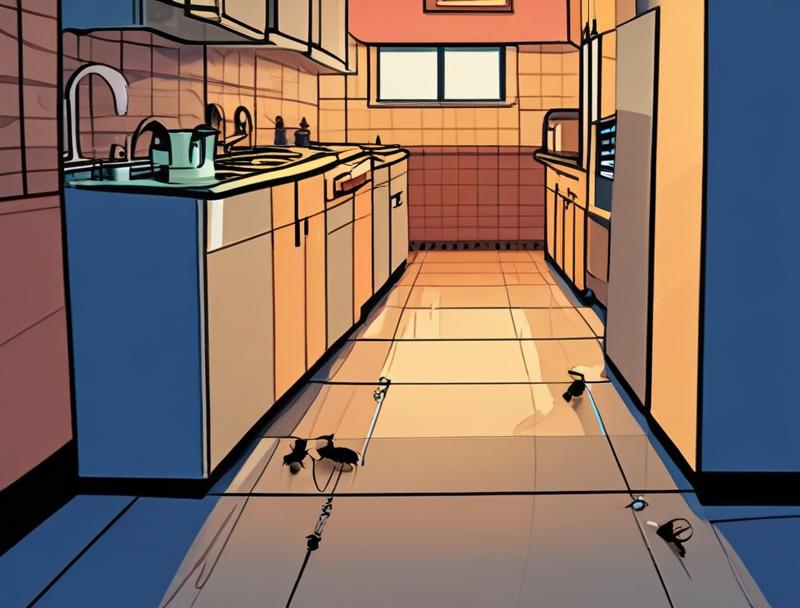
Place them strategically. Put sticky traps in areas where you’ve seen roaches or suspect they are hiding. This includes under sinks, behind appliances, and in corners.
-
Check them regularly. Inspect the traps every few days to see how many roaches you’ve caught. This helps you track the population and identify hot spots.
Sticky traps are especially useful for beginners because they don’t involve any chemicals. They provide visual proof of a roach problem without any mess or complex setup. You can often see the types and numbers of roaches caught, which gives you an idea of the severity of the infestation.
Baited Traps: Luring Them In
Baited traps contain a slow-acting poison that roaches eat. They then carry the poison back to their nest, which can help eliminate more roaches.
-
Choose a good bait. Look for baits that are specifically designed for the type of roaches you are dealing with. Some baits work better for certain species.
-
Place bait stations carefully. Put bait stations in areas where roaches are active. Avoid placing them near food preparation surfaces or where children and pets can access them.
-
Be patient. Baited traps take time to work. Roaches need to eat the bait and carry it back to their hiding spots.
You might not see immediate results, but they are often very effective in the long run.
An example scenario: You notice a few roaches scurrying across your kitchen counter at night. You place a few baited traps along the baseboards and under the sink. Over the next week, you start seeing fewer roaches.
Some traps might have a few dead roaches, but the real success is the reduction in sightings, indicating the bait is working its way through the colony.
Monitoring for Signs of Activity
Knowing what to look for helps you catch a problem early.
-
Look for droppings. Roach droppings often look like black pepper or small dark specks. You might find them on countertops, in drawers, or along baseboards.
-
Check for egg cases. Roaches lay eggs in protective casings called oothecae. These are usually small and brown, and you might find them in dark, undisturbed places.
-
Notice unusual smells. A strong, musty odor can sometimes indicate a significant roach infestation. This smell is caused by their scent glands and droppings.
According to the CDC, cockroaches can spread at least six different types of human pathogens. They can also trigger asthma and allergic reactions in some people. This underscores why preventing them is not just about cleanliness, but also about health.
Regularly monitoring for signs helps you address any issues before they become serious health concerns.
When to Call a Professional
While these steps are effective, some situations require expert help. If you’ve tried everything and the problem persists, it might be time to call in the pros.
Severe Infestations
If you see roaches during the day, or if you find them in multiple rooms, you likely have a significant infestation. Professionals have access to stronger treatments and expertise to handle large numbers of roaches.
Persistent Problems
Even after consistent cleaning and using deterrents, if the roach problem doesn’t improve, a professional pest control service can identify the root cause and apply targeted solutions. They can also offer advice on long-term prevention.
Specific Roach Species
Some roach species, like German cockroaches, are notoriously difficult to get rid of. They reproduce quickly and can hide in many small spaces. Professionals are better equipped to deal with these resilient pests.
A case study from a pest control company noted that a homeowner had tried various DIY methods for months without success against German cockroaches. After the professional service treated the kitchen and surrounding areas with specialized baits and residual treatments, the infestation was controlled within two weeks. This illustrates when professional intervention is the most practical solution.
Frequently Asked Questions
Question: How often should I clean my kitchen to prevent roaches?
Answer: Aim for daily quick clean-ups like wiping counters and sweeping floors, especially after meals. A more thorough deep clean of appliances and cabinets should be done at least weekly or bi-weekly.
Question: Are natural methods really effective against roaches?
Answer: Natural methods can be very effective for prevention and for managing minor infestations. Consistency is key. For larger infestations, they might be best used in combination with other strategies or as a follow-up to professional treatment.
Question: Can roaches come in through my drains?
Answer: Yes, roaches can enter through drains, especially if there is standing water. Keeping drains clear and using drain covers can help prevent this. Running water down drains regularly can also help.
Question: What is the fastest way to get rid of roaches?
Answer: For a fast solution to a severe problem, professional pest control is often the quickest. For less severe issues, a combination of aggressive cleaning, strategic placement of baited traps, and sealing entry points can yield faster results than single methods.
Question: How can I tell if I have roaches if I don’t see them?
Answer: Look for signs like dark, pepper-like droppings, small egg casings, or a musty odor. Checking sticky traps placed in common roach areas can also help you detect their presence.
Summary
Keeping your kitchen roach-free involves consistent cleaning, sealing entry points, and managing food and water sources. By following these simple steps, you can create an environment roaches dislike and prevent them from taking over your home, ensuring a healthier living space.