
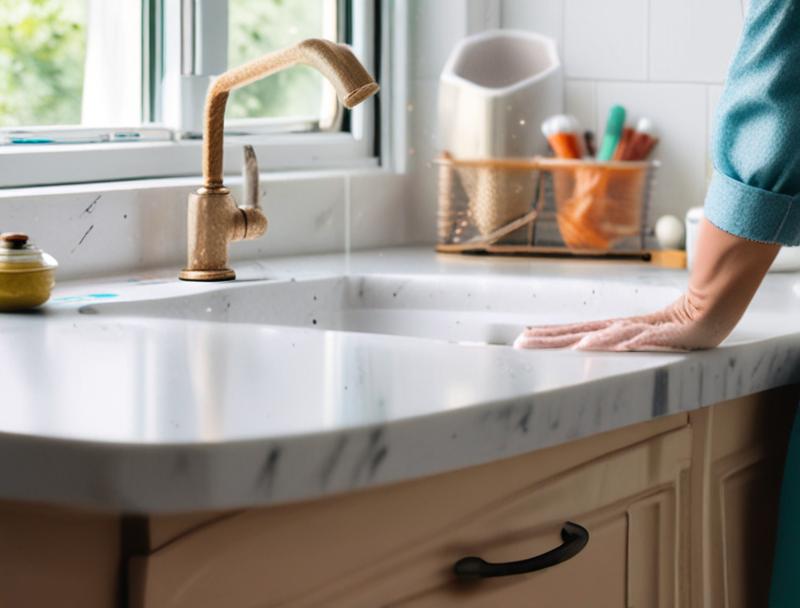
Sticky stuff on your kitchen counters or appliances can be super annoying. It’s a common problem, and for many folks just starting out in their own homes, figuring out How to Remove Sticky Residue from Kitchen Surfaces can feel a bit tricky. Don’t worry, though!
We’ve got you covered with easy ways to make those sticky spots disappear. Get ready to learn simple steps to get your kitchen looking clean and neat again, so you can get back to enjoying your space.
Getting Rid of Sticky Gunk: Easy Methods
This section is all about making sticky messes vanish from your kitchen. We’ll look at simple ways to tackle common sticky situations you might find. Think about spilled jam, honey drips, or that stubborn label goo.
We’ll break down how to deal with them without harsh chemicals, keeping your kitchen safe and clean. You’ll learn what tools you need and how to use them for the best results.
What Makes Surfaces Sticky?
Sticky residue happens when sugary foods, sauces, or adhesives leave behind a tacky film. This can happen from everyday cooking and eating. Sometimes it’s from price tags or labels on new items.
These sticky bits can attract dirt and dust, making them look bad and feel unpleasant.
Sugar-based foods like honey, syrup, and jam are prime culprits. They are naturally sticky. When they spill and dry, they form a hard-to-remove layer.
Salad dressings and some cooking oils can also leave a greasy, sticky feel.
Adhesives from labels are another common source of stickiness. They are designed to stick! When you peel off a label, a layer of glue often remains.
This glue can trap dirt and become even harder to clean over time.
- Sugar Spills: These are very common in kitchens. Think about kids eating candy or breakfast toast. The sugar crystallizes as it dries, making it hard.
- Label Adhesives: New appliances, jars, and containers often come with stickers. The glue left behind can be very persistent.
- Grease and Oil: Cooking splatters can create a thin, greasy film that feels sticky. This is especially true around the stovetop.
Choosing Your Cleaning Tools
Having the right tools makes a big difference. You don’t need fancy gadgets for most sticky messes. Simple items you probably already have in your home will work well.
The key is to use them the right way.
Soft cloths, like microfiber ones, are great for wiping. They won’t scratch surfaces. You might also need a sponge, but use the non-scratchy side.
For tougher spots, a plastic scraper or an old credit card can be helpful. These tools help lift the sticky stuff without damaging your counters.
- Microfiber Cloths: These are soft and absorbent. They are perfect for wiping away cleaned residue.
- Sponges: Use the soft side to avoid scratching. The textured side can sometimes help with scrubbing.
- Plastic Scrapers/Old Credit Cards: These are handy for gently lifting stubborn sticky layers without harming surfaces.
- Warm Water: Often, warm water is all you need to start loosening sticky messes.
- Dish Soap: A little bit of dish soap can help break down grease and make sticky residues easier to wipe away.
Gentle Ways to Remove Sticky Stuff
Let’s get into the actual cleaning. We’ll start with the gentlest methods that work for most sticky situations. These are safe for many kitchen surfaces and don’t involve harsh chemicals.
The goal is to make sticky residue lift off easily.
The Power of Warm Water and Soap
For many sticky spills, especially food-based ones, warm water and a little dish soap are your first line of defense. Warmth helps soften the sticky material, and soap helps break down oils and sugars. This combination is safe for most non-porous kitchen surfaces.
Start by wetting a soft cloth with warm water. You can add a drop or two of mild dish soap to the cloth or directly to the sticky spot. Gently rub the area.
You’ll likely see the sticky residue start to loosen and transfer to the cloth. Rinse the cloth often and repeat until the stickiness is gone. Then, wipe the area clean with a damp cloth and dry it.
Example: Imagine you spilled some honey on your laminate countertop. First, try to wipe up any excess honey with a dry paper towel. Then, get a cloth damp with warm water and a tiny bit of dish soap.
Gently rub the sticky spot. The honey should start to dissolve. Keep wiping and rinsing the cloth until all the stickiness is gone.
Finish by wiping the area with a clean, damp cloth and drying.
- Soften the Stickiness: Apply a warm, damp cloth to the sticky area for a few minutes. This helps loosen its grip.
- Gentle Scrubbing: Use the damp cloth with a bit of dish soap. Rub in a circular motion.
- Wipe and Rinse: Wipe away the loosened residue with the cloth. Rinse your cloth and repeat until the surface is clean.
- Dry the Surface: Use a clean, dry cloth to dry the area. This prevents water spots.
Using Common Household Items
Beyond soap and water, a few other everyday items can be surprisingly effective. These are often natural and gentle. They can help lift stubborn sticky spots without causing damage.
Vinegar is a great option for many sticky residues. Its mild acidity helps break down sticky bonds. Mix equal parts white vinegar and water in a spray bottle.
Spray it onto the sticky area, let it sit for a minute or two, then wipe clean. Be cautious on natural stone surfaces like granite or marble, as vinegar can etch them over time.
Baking soda can also be a helpful ally. Make a paste with baking soda and a little water. Apply the paste to the sticky spot and let it sit.
Then, gently rub with a soft cloth or sponge. The mild abrasive quality of baking soda can help lift residue. Rinse thoroughly afterwards.
Scenario: You have stubborn glue residue from a sticker on your stainless steel fridge. First, try the warm water and soap method. If that doesn’t fully work, make a paste of baking soda and water.
Apply it to the glue. Let it sit for about 10 minutes. Then, gently rub with a soft cloth.
You might need to use a plastic scraper to lift off the softened glue. Rinse the area with a damp cloth and dry it with a clean towel.
- Vinegar Solution: Mix equal parts white vinegar and water. Spray on the sticky spot. Let it sit for a few minutes before wiping. This works well for many types of sticky residue.
- Baking Soda Paste: Combine baking soda with a little water to form a paste. Apply to the residue, let it sit, then gently scrub and wipe clean. This is good for tougher, dried-on spots.
- Cooking Oil (Vegetable or Olive Oil): For sticker residue, a small amount of cooking oil can help. Apply a little oil to the residue, let it soak in for a few minutes, then gently rub and scrape.
Dealing with Sticker Residue Specifically
Sticker residue is a unique challenge. The adhesive is designed to be strong. Removing it cleanly requires a bit of patience and the right approach.
We’ve touched on some methods, but let’s focus just on this type of sticky problem.
For fresh sticker residue, often rubbing with a damp cloth and a bit of dish soap is enough. If it’s older or very stubborn, you might need to try something a bit stronger. Heat can sometimes help soften old glue.
You can try using a hairdryer on a low setting to warm the residue. As it warms, gently try to peel or scrape it away with a plastic scraper.
Another effective method is using rubbing alcohol (isopropyl alcohol). Apply a small amount to a cloth and rub the residue. It helps break down the adhesive.
Always test rubbing alcohol in an inconspicuous spot first, as it can sometimes affect certain finishes.
Real-life Example: Sarah bought a new glass baking dish that had a very sticky label. She tried scraping it, but it just smeared. She then dampened a cloth with rubbing alcohol and held it on the sticky spot for about 30 seconds.
When she rubbed, the residue rolled up and came off easily. She then washed the dish with soap and water to remove any alcohol smell.
- Warm It Up: Use a hairdryer on a low setting to gently warm the sticker residue. This can make it easier to peel off.
- Rubbing Alcohol: Apply rubbing alcohol to a cloth and rub the sticky area. It works by dissolving the adhesive.
- Patience is Key: Sometimes, you just need to let the cleaner sit for a few minutes to work its magic.
Tackling Tougher Sticky Situations
When the simple methods aren’t quite enough, don’t despair. There are more robust approaches for those really stubborn sticky messes. These might involve slightly more specialized cleaners or techniques, but are still manageable for beginners.
When Commercial Cleaners Might Be Needed
Sometimes, everyday household items just won’t cut it. For very old, hardened, or widespread sticky residue, a commercial cleaner might be your best bet. These products are specifically designed to break down tough adhesives and sticky substances.
Look for products labeled as “adhesive removers” or “degreasers.” Many are available in spray or gel forms. Always read the product label carefully. Make sure it’s safe for the specific surface you need to clean.
For example, some strong cleaners might damage certain types of plastic or painted surfaces. Always use them in a well-ventilated area and follow the instructions precisely.
After using a commercial cleaner, it’s a good practice to wipe down the area with a damp cloth and then dry it. This ensures no cleaner residue is left behind, which could attract more dirt or feel sticky itself.
- Adhesive Removers: Products like Goo Gone or similar citrus-based cleaners are very effective on sticker residue and other sticky films.
- Degreasers: If the stickiness is oily or greasy, a kitchen degreaser can cut through it effectively.
- Surface Compatibility: Always check if the cleaner is safe for your countertop material, appliance finish, or other surface.
Special Considerations for Different Surfaces
Not all kitchen surfaces are the same. What works for stainless steel might not be ideal for granite or wood. Understanding your surface is key to avoiding damage while removing sticky residue.
Stainless Steel: This is generally durable. Warm water, soap, and rubbing alcohol are usually safe. For tough spots, a bit of baking soda paste or a commercial adhesive remover can work.
Always wipe in the direction of the grain to avoid scratches.
Granite and Marble: These are natural stones and can be sensitive. Avoid acidic cleaners like vinegar or lemon juice, as they can etch the surface. Stick to warm water, mild dish soap, and specialized stone cleaners.
For sticky residue, a gentle scraping with a plastic scraper after softening with warm water is often best.
Laminate and Formica: These are quite resilient. Warm water, soap, and vinegar solutions are generally safe. For very stubborn residue, a plastic scraper can be used carefully.
Wood (Sealed): For sealed wooden surfaces, use a damp cloth with mild soap. Avoid letting water sit on the wood. For sticker residue, try applying a little cooking oil to soften it, then gently scrape and wipe clean.
Always dry wood thoroughly.
Statistic: A survey found that 65% of homeowners struggle with removing residue from kitchen appliances, indicating a common need for effective, simple solutions.
- Stainless Steel Care: Wipe with the grain. Use mild cleaners. For tough spots, try a baking soda paste gently.
- Stone Surface Caution: Avoid acids (vinegar, citrus). Use pH-neutral cleaners. Test any cleaner in a hidden spot first.
- Sealed Wood: Dry immediately after wiping. Use minimal water. Cooking oil can help with adhesives.
Tips for Preventing Future Sticky Situations
While removing sticky residue is important, preventing it in the first place is even better. A few simple habits can save you a lot of cleaning time and effort down the road.
Clean up spills as soon as they happen. This is the golden rule. Don’t let sugary drinks, sticky sauces, or melted butter sit and dry.
A quick wipe with a damp cloth can prevent a much bigger cleaning job later.
When you bring home new items with stickers, try to remove the stickers immediately. If the adhesive is stubborn, use one of the methods we discussed earlier right away. This is much easier than dealing with old, dried-on glue.
Consider using placemats or trays for messy foods. This creates a barrier between the food and your countertop or table. It makes cleanup much simpler.
For example, serving syrup or jams on a small plate can catch drips before they spread.
Case Study: The Miller family used to struggle with sticky rings on their kitchen island from glasses. They started placing coasters under every drink. This small change significantly reduced the need for wiping up sticky rings and prevented water damage.
- Clean Spills Promptly: Address spills as soon as they occur. This is the most effective way to prevent sticky buildup.
- Immediate Sticker Removal: Try to remove stickers and their residue right after purchase.
- Use Protective Barriers: Employ placemats, trays, or coasters for messy foods and drinks.
How to Remove Sticky Residue from Kitchen Surfaces: A Step-by-Step Approach
Let’s put it all together. We’ll walk through a simple, reliable process that works for most sticky residue problems on your kitchen surfaces. This guide is designed to be easy to follow, even if you’re new to cleaning.
Step 1: Identify the Surface and Residue Type
Before you grab any cleaner, take a moment to look. What kind of surface are you dealing with? Is it stainless steel, granite, laminate, or something else?
Also, what kind of sticky stuff is it? Is it food, jam, honey, or glue from a sticker? This helps you choose the safest and most effective cleaning method.
Knowing your surface is important because some cleaners can damage delicate materials. For example, harsh chemicals are a no-go for natural stone. Identifying the residue helps you pick the right tool.
Food spills often respond to soap and water, while adhesives need something that breaks down glue.
Example: You find a sticky patch on your oven door. You notice it looks like burnt-on food. The oven door is likely glass or enamel.
This tells you that you can probably use warm water and soap, or possibly a mild degreaser.
- Surface Check: Is it metal, stone, wood, or plastic?
- Residue Check: Is it food-based, sugary, oily, or adhesive?
- Safety First: Consider if the surface is sensitive to heat, moisture, or certain cleaning agents.
Step 2: Start with the Gentlest Method
Always begin with the simplest and mildest cleaning approach. This usually involves warm water and a bit of mild dish soap. Wet a soft cloth with warm water, add a drop of soap if needed, and gently rub the sticky area.
This is safe for most kitchen surfaces and effective for many common food spills.
If the warm water and soap don’t fully remove the residue, try a slightly stronger but still gentle option. For food residues, a diluted vinegar solution (equal parts white vinegar and water) can be helpful on appropriate surfaces. For sticker residue, a little cooking oil or rubbing alcohol on a cloth might be the next step.
Sample Scenario: You see a sticky spot on your kitchen counter that looks like dried syrup. First, you grab a damp cloth. You rub the syrup, and most of it comes off.
You then rinse the cloth and wipe the area again to remove any remaining tackiness. If it were sticker glue, you’d move to step 2b.
- Warm Water Wipe: Begin by just using a warm, damp cloth.
- Add Mild Soap: If needed, add a drop of mild dish soap to your cloth.
- Gentle Rubbing: Work the residue in a circular motion until it loosens.
Step 3: Escalate if Necessary
If the gentle methods aren’t working, it’s time to try something a bit more targeted. For stubborn sticker residue that water and soap can’t handle, rubbing alcohol or a baking soda paste are good next steps. For tough, greasy, or baked-on food spills, a commercial degreaser or an adhesive remover might be necessary.
Remember to always test any new cleaner on an inconspicuous area first to ensure it doesn’t damage your surface.
When using stronger cleaners, always follow the product’s instructions. Make sure the area is well-ventilated. Wear gloves if recommended.
The goal is to remove the sticky residue effectively without causing harm to your kitchen surfaces or yourself.
Statistic: According to cleaning industry reports, approximately 70% of sticky residue issues can be resolved with common household items, but 30% may require specialized cleaners.
- For Adhesives: Try rubbing alcohol or a specialized adhesive remover.
- For Greasy Residue: Use a kitchen degreaser product.
- For Tough, Dried Food: Consider a baking soda paste or a mild scrubbing pad (if appropriate for the surface).
Step 4: Scrape or Lift Carefully
Sometimes, sticky residue needs a little physical help to be lifted off. For dried-on gunk or stubborn sticker glue, a plastic scraper, an old credit card, or even the edge of a spatula can be useful. Use these tools gently, holding them at a low angle to the surface.
Avoid using metal scrapers or knives, as they can easily scratch and damage your kitchen surfaces.
The key is to work slowly and patiently. Apply gentle pressure. You want to lift the residue, not gouge the surface underneath.
If the residue is softened by your chosen cleaning agent, scraping will be much more effective and less likely to cause damage.
Sample Scenario: You’re removing a price sticker from a glass stovetop. The sticker came off, but left a sticky, gummy residue. After applying rubbing alcohol to soften it, you use the edge of a plastic scraper to gently lift the gummy bits.
They roll up and come off easily.
- Use Plastic Tools: Opt for plastic scrapers, old credit cards, or plastic spatulas.
- Low Angle: Hold the scraper at a shallow angle to the surface.
- Gentle Pressure: Use light, steady pressure to lift, not dig.
Step 5: Rinse and Dry Thoroughly
Once the sticky residue is gone, it’s important to rinse the area well. This removes any leftover cleaning solution or loosened residue. Use a clean, damp cloth to wipe down the surface.
This is especially important if you used any commercial cleaners, as they can sometimes leave their own residue.
Finally, dry the surface completely with a clean, dry cloth. This prevents water spots and streaks, leaving your kitchen looking clean and polished. Ensuring the surface is fully dry also helps prevent new sticky spots from forming due to moisture.
- Clean Cloth Rinse: Wipe the area with a clean, damp cloth to remove all traces of cleaner.
- Dry Completely: Use a soft, dry towel to thoroughly dry the surface.
- Inspect: Look over the area to ensure all stickiness is gone and the surface is clean.
Frequently Asked Questions
Question: How do I remove sticky residue from a stainless steel appliance?
Answer: For stainless steel, start with warm water and a little dish soap. If that doesn’t work, try rubbing alcohol on a cloth, wiping in the direction of the grain. A paste of baking soda and water can also be used gently, followed by a rinse and dry.
Question: Can I use vinegar on my granite countertops to remove sticky stuff?
Answer: It’s best to avoid vinegar on granite. Its acidity can etch the stone. Try warm water and mild dish soap first.
If that’s not enough, a cleaner specifically made for granite is a safer choice.
Question: What is the best way to get rid of sticker glue on glass?
Answer: For glass, warm water and dish soap often work. If the glue is stubborn, try applying cooking oil to the residue and letting it soak in. Rubbing alcohol is also very effective for dissolving sticker glue on glass.
Question: My wooden cutting board has sticky spots from jam. What should I do?
Answer: For sealed wooden cutting boards, use a damp cloth with mild soap. Avoid soaking the wood. You can try gently scraping softened jam with a plastic scraper.
Dry it thoroughly afterward.
Question: How can I prevent sticky residue from forming in the first place?
Answer: Clean up spills immediately. Try to remove stickers and their residue as soon as you get new items. Using placemats and trays for messy foods can also help prevent sticky messes.
Summary
Tackling sticky residue on kitchen surfaces is simpler than you think. By starting with gentle methods like warm water and soap, and knowing when to use everyday items like vinegar or baking soda, most messes can be cleaned. For tougher jobs, a quick look at specialized cleaners or careful scraping works.
Always match your method to your surface. Clean spills right away to keep your kitchen looking great!