
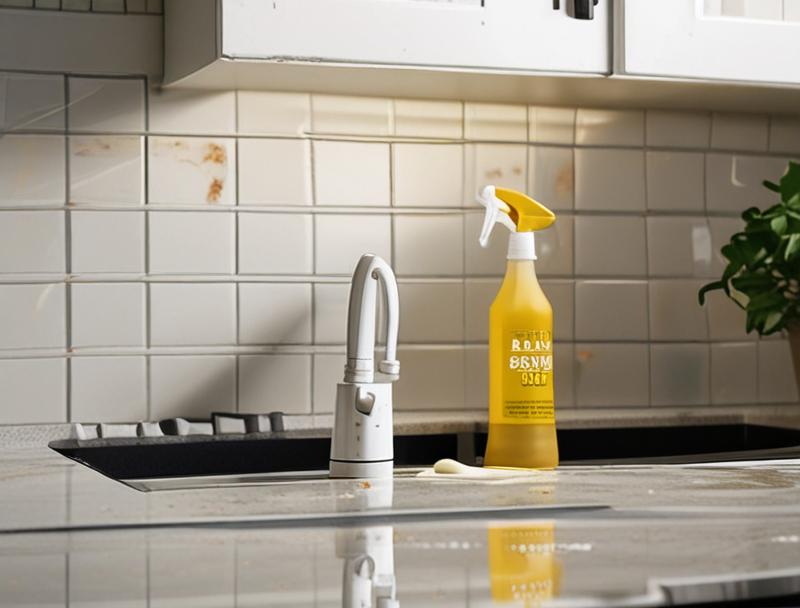
Grease splatters are a common kitchen mess, and figuring out How to Remove Grease from Kitchen Backsplash can feel like a puzzle for many. It’s not always obvious what will work best on different surfaces without causing damage. But don’t worry, cleaning up this greasy film is easier than you think!
We’ll walk through simple ways to get your backsplash sparkling clean again. Get ready to discover the best tricks for a spotless kitchen surface.
Cleaning Your Kitchen Backsplash: A Gentle Approach
Keeping your kitchen backsplash clean is key to a fresh-looking cooking space. Over time, grease from cooking can build up, leaving a sticky, dull film. This section focuses on how to tackle that grime effectively, especially for beginners who might be unsure about the best methods.
We’ll explore common backsplash materials and gentle cleaning solutions that work well without harsh chemicals. Our goal is to make this task simple and stress-free. You’ll learn how to restore the shine to your backsplash with everyday items.
Understanding Backsplash Materials
Different backsplash materials need different care. Knowing what your backsplash is made of helps you pick the right cleaning method. This prevents damage like etching, scratching, or discoloration.
Common materials include tile (ceramic, porcelain, glass), natural stone (granite, marble, quartz), stainless steel, and laminate. Each has unique properties that affect how it reacts to cleaning agents.
Ceramic and porcelain tiles are quite durable and can handle a variety of cleaners. They are glazed, which makes them less porous and easier to wipe down. However, the grout between tiles can be more absorbent and may stain or wear down with harsh scrubbing.
Porcelain tiles are denser and less porous than ceramic tiles. They are also more resistant to chipping and scratching.
Glass tiles offer a sleek, modern look but can be prone to streaks and water spots if not cleaned properly. Their smooth surface makes them easy to wipe clean of grease. Some glass tiles may have metallic or textured finishes that require extra care to avoid scratching.
Natural stone backsplashes like granite and marble are beautiful but require careful cleaning. These materials are porous, meaning they can absorb liquids, including grease and cleaning solutions. This can lead to stains and etching, especially from acidic cleaners.
Sealing the stone regularly helps protect it. Quartz is a manufactured stone that is less porous than granite or marble, making it more stain-resistant.
Stainless steel backsplashes are popular for their industrial look and ease of cleaning. They resist heat and are generally easy to wipe down. However, they can scratch easily and show fingerprints.
Cleaning them with the grain is important to avoid visible marks.
Laminate backsplashes are an affordable and easy-to-install option. They are durable for everyday use but can be sensitive to excessive moisture or abrasive cleaners, which can damage the surface layer.
Gentle Cleaning Solutions for Everyday Grime
When faced with everyday grease splatters, you don’t always need strong chemicals. Simple, mild solutions can be very effective and safe for most backsplash materials. These methods often use common household items, making them budget-friendly and readily available.
One of the simplest and most effective cleaners is a solution of warm water and a few drops of mild dish soap. This is great for general cleaning and light grease. The soap helps break down grease molecules, while the warm water helps to lift them from the surface.
For tougher spots, you can let the soapy water sit for a few minutes before wiping.
Another excellent option is a mixture of equal parts white vinegar and water. Vinegar is a mild acid that can cut through grease and grime. However, it’s important to use this sparingly on porous materials like natural stone, as it can cause etching.
Always rinse thoroughly with plain water afterward to remove any vinegar residue and prevent damage.
Baking soda is a gentle abrasive that can help lift stubborn grease without scratching. You can make a paste by mixing baking soda with a little water. Apply the paste to the greasy areas, let it sit for a few minutes, and then gently scrub with a soft cloth or sponge.
Rinse thoroughly to remove all baking soda residue.
For glass backsplashes, a simple spray of glass cleaner or the vinegar-water solution works well. Wipe with a microfiber cloth to avoid streaks. For stainless steel, using a cleaner specifically designed for stainless steel or a mild soap and water solution, always wiping in the direction of the grain, will keep it looking its best.
- Mild Dish Soap and Warm Water: This is your go-to for daily cleaning. It’s gentle enough for almost all surfaces and effectively breaks down everyday grease. Mix a few drops of dish soap in a bowl of warm water. Dip a soft cloth or sponge into the solution, wring it out, and wipe down the backsplash. Rinse with a clean, damp cloth and dry with a soft towel to prevent water spots. This method is particularly good for ceramic tile and laminate surfaces.
- White Vinegar and Water Solution: For slightly tougher grease, a 50/50 mix of white vinegar and water can be very effective. The acidity in vinegar helps to dissolve grease. Spray the solution onto the backsplash, let it sit for a minute or two, then wipe clean with a damp cloth. This is best for non-porous surfaces like glass or sealed tile. Always test in an inconspicuous area first if you are unsure about your material.
- Baking Soda Paste: When grease has baked on or is particularly stubborn, a baking soda paste can work wonders. Mix baking soda with just enough water to form a thick paste. Apply this paste directly to the greasy areas and let it sit for about 10-15 minutes. Gently scrub with a soft cloth or sponge, using a circular motion. Rinse thoroughly with water and dry. This is excellent for textured tiles or grout lines.
Step-by-Step Guide: How to Remove Grease from Kitchen Backsplash
Now, let’s get down to the practical steps for cleaning your backsplash. This guide is designed to be easy to follow, even if you’ve never cleaned a greasy backsplash before. We’ll cover everything from preparation to the final polish, ensuring you get great results every time.
First, it’s important to prepare the area. Clear everything off your countertops near the backsplash. This includes appliances, canisters, and any decorative items.
You might want to lay down old towels or newspaper on the counter to catch any drips or spills. This makes cleanup much easier afterwards.
Next, identify the type of backsplash material you have. As we discussed, different materials need different approaches. For most common materials like tile, glass, or stainless steel, you can start with a mild cleaning solution.
If you have natural stone, be extra cautious and opt for the mildest options first.
Now, let’s apply the cleaner. For most situations, warm water with a few drops of dish soap is the best starting point. Dip a soft cloth or sponge into the soapy water.
Wring out the excess water so the cloth is damp, not dripping wet. Gently wipe down the backsplash, focusing on areas with visible grease.
For tougher grease spots that don’t come off with the initial wipe, you can try a vinegar and water solution or a baking soda paste. If using the vinegar solution, spray it on, let it sit for a minute, then wipe. If using baking soda paste, apply it, let it sit for 5-10 minutes, then gently scrub with a soft cloth.
Remember to rinse well after using either of these.
Rinsing is a crucial step. Use a clean cloth dipped in plain water to wipe away any soap, vinegar, or baking soda residue. This prevents streaks and protects your backsplash surface.
Make sure to rinse your cloth frequently to ensure you’re not just spreading residue around.
Finally, drying and polishing. Use a clean, dry, soft towel, preferably a microfiber cloth, to dry the backsplash completely. This prevents water spots and gives it a nice shine.
For a truly brilliant finish, especially on glass or stainless steel, buff the surface with a dry cloth.
- Clear the Area: Remove everything from your countertops that is close to the backsplash. This gives you unobstructed access and protects items from cleaning solutions.
- Choose Your Cleaner: For most backsplashes, start with warm water and mild dish soap. If grease is stubborn, consider a 50/50 white vinegar and water mix or a baking soda paste. Always test on a small, hidden area first.
- Apply and Wipe: Dip a soft cloth or sponge in your chosen cleaner. Wring it out well. Gently wipe the entire backsplash surface, paying extra attention to greasy areas. For tougher spots, let the cleaner sit for a few minutes.
- Scrub Gently (if needed): If some grease remains, use a soft brush or the damp cloth to gently scrub the area. For baking soda paste, you can rub it in with light pressure. Avoid abrasive scrubbers that can scratch your surface.
- Rinse Thoroughly: Use a clean, damp cloth to wipe down the backsplash again. This removes all traces of the cleaning solution. Rinse your cloth often.
- Dry and Buff: Use a clean, dry microfiber cloth to dry the backsplash completely. Buff the surface to restore its shine and prevent water marks.
Tackling Stubborn Grease Stains
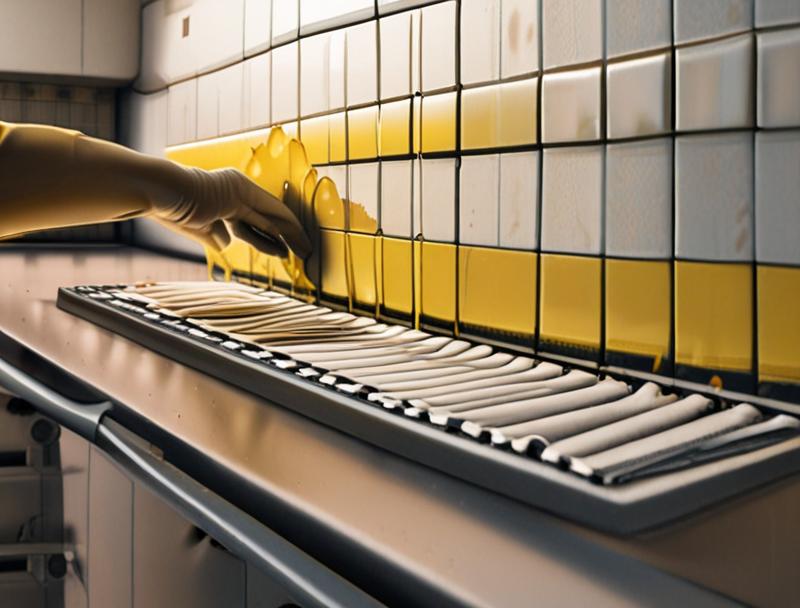
Sometimes, standard cleaning methods aren’t enough for really baked-on grease. These stubborn stains can be frustrating, but there are effective ways to lift them without resorting to harsh chemicals that might damage your backsplash. This section provides specialized tips for those tougher grease challenges.
When simple wiping doesn’t cut it, a bit of dwell time and gentle abrasion can make a big difference. The key is patience and using the right tools and solutions. We’ll explore how to carefully increase the cleaning power when needed, focusing on preserving the integrity of your backsplash material.
The Power of Heat and Steam
Heat can be a great ally in breaking down tough grease. For some materials, like tile, a warm, damp cloth can be more effective than a cold one. You can achieve this by soaking a cloth in hot water, wringing it out, and holding it against the greasy spot for a few minutes.
The warmth helps to soften and loosen the grease.
Steam cleaning is another highly effective method for loosening stubborn grease. Many handheld steam cleaners are available and are quite safe for most non-porous surfaces like ceramic tile, porcelain, and glass. The hot steam melts grease, making it easy to wipe away with a soft cloth.
Be cautious with steam on materials like natural stone or painted surfaces, as excessive heat can cause damage.
When using a steam cleaner, hold the nozzle a few inches away from the surface and move it slowly over the greasy area. Immediately after steaming, wipe the area with a clean microfiber cloth. This process effectively dissolves and lifts grease without the need for chemicals.
Always follow the manufacturer’s instructions for your steam cleaner and your backsplash material.
Specialized Cleaners and Poultices
For grease that seems impossible to remove, specialized cleaners or homemade poultices can be very effective. A poultice is a paste that draws out stains and residues from porous materials like stone.
For porous surfaces like granite or marble, a poultice made of baking soda and water can work wonders. Mix baking soda with just enough water to create a thick, peanut-butter-like paste. Apply this paste generously to the stained area, covering it completely.
Then, cover the paste with plastic wrap and tape down the edges. Let it sit for at least 24 hours. The baking soda will absorb the grease as it dries.
After 24 hours, remove the plastic wrap, scrape off the dried paste with a plastic scraper, and wipe the area clean with a damp cloth. You may need to repeat this process for very stubborn stains.
Commercial degreasers are also available and can be very powerful. However, it is critical to choose a degreaser that is specifically formulated for your backsplash material. For example, a degreaser for kitchen appliances might be too harsh for natural stone.
Always read the product label carefully and follow the instructions precisely. Test any commercial cleaner in an inconspicuous spot first to ensure it doesn’t cause discoloration or damage.
When using any strong cleaner, ensure good ventilation in your kitchen. Wear gloves to protect your skin. After cleaning with a commercial product, always rinse the surface thoroughly with plain water and dry it completely to remove any chemical residue.
- Baking Soda and Water Poultice: This is a fantastic DIY solution for drawing out grease from porous materials like granite and marble.
Mix about 1 cup of baking soda with enough water to create a thick paste, similar to peanut butter consistency. Apply this paste generously to the greasy stain, ensuring it’s fully covered. Place plastic wrap over the paste and tape down the edges to create a seal.
Let it sit for at least 24 hours, allowing the baking soda to absorb the grease as it dries. Once dry, carefully remove the plastic wrap and scrape off the hardened paste with a plastic putty knife. Wipe the area with a damp cloth and then dry.
For older or deeper stains, this process may need to be repeated.
- Commercial Kitchen Degreasers: These are formulated to break down tough grease and are readily available.
When selecting a commercial degreaser, always check the label to ensure it’s safe for your specific backsplash material. Look for products labeled as safe for tile, stone, or stainless steel, depending on what you have. Before applying to the entire backsplash, spray a small amount on a hidden area and wait a few minutes to check for any adverse reactions like discoloration or etching.
If the test area is fine, spray the degreaser directly onto the greasy spots or onto a cloth. Allow it to sit for the time recommended on the product label, usually a few minutes, then wipe away with a damp cloth. Rinse the area thoroughly with clean water to remove all chemical residue.
Ensure good ventilation while using these products and wear rubber gloves.
- Hot Water and Dish Soap Soak: For less severe but still sticky grease, a prolonged soak can help.
Boil water and mix it with a generous amount of dish soap. Soak a thick towel or several paper towels in this hot, soapy solution. Wring out the excess liquid so the towel is damp but not dripping.
Lay the soaked towel directly over the greasy areas of the backsplash. Leave it in place for 15-30 minutes, reapplying hot water if it starts to cool down. The heat and soap will work together to soften the grease.
After the soak, gently wipe the backsplash with a clean, damp cloth. The grease should be much easier to remove. This is a gentle yet effective method for tiles and many other surfaces.
Preventing Grease Buildup on Your Backsplash
The best way to deal with grease on your backsplash is to prevent it from building up in the first place. Consistent, quick cleanups can save you a lot of scrubbing later. This section offers practical tips to keep your backsplash looking its best with minimal effort.
Making grease prevention a habit is far easier than tackling deep-seated grime. Simple actions taken regularly can make a significant difference in the overall cleanliness and appearance of your kitchen. We’ll look at easy habits and simple tools that can help.
Wipe Down After Cooking
The most effective way to prevent grease buildup is to clean up spills and splatters as soon as they happen. After cooking, especially when frying or sautéing, take a moment to wipe down your backsplash. A damp cloth with a little dish soap is usually all you need for fresh splatters.
Keeping a spray bottle filled with a mild cleaning solution (like diluted dish soap or vinegar and water) and a stack of microfiber cloths handy near your stove makes this quick cleanup simple. A few swipes while the surfaces are still warm (but not hot) can prevent grease from hardening and sticking.
This habit is especially important for areas directly behind the stovetop. These areas tend to catch the most grease. If you let it sit, it becomes sticky and difficult to remove.
A quick wipe down immediately after cooking is much easier and faster than a deep clean later.
Using a Splatter Screen
A splatter screen is a simple yet incredibly effective tool for minimizing grease spray in the first place. These are flat, mesh covers that you place over your frying pan or skillet. The mesh allows heat and steam to escape but catches most of the oil and food particles that would otherwise fly onto your stovetop and backsplash.
Using a splatter screen can drastically reduce the amount of grease that lands on your backsplash. This means less cleaning for you and a consistently cleaner kitchen appearance. They are available in various sizes to fit different pans and are easy to clean themselves, usually by hand washing or placing them in the dishwasher.
While they don’t catch every single speck, they make a huge difference. This simple preventative measure saves time and effort in the long run. It’s a small habit that yields big results in keeping your kitchen cleaner.
Regular Deep Cleaning Schedule
Even with daily wiping, a periodic deep clean is necessary. Aim to give your backsplash a more thorough cleaning once a week or every two weeks, depending on your cooking habits. This ensures that any grease that may have escaped immediate attention is removed before it becomes a significant problem.
During your deep clean, you can address grout lines if you have tiled backsplashes. Grout can absorb grease and stains, so a baking soda paste or a specialized grout cleaner can be helpful. For other materials, a slightly stronger solution or a bit more scrubbing might be needed.
Setting a reminder on your phone or marking it on a kitchen cleaning calendar can help you stick to this schedule. Consistency is key to maintaining a pristine backsplash with less effort over time. This proactive approach prevents grease from becoming a persistent issue.
Frequently Asked Questions
Question: What is the best way to remove grease from a tile backsplash?
Answer: For a tile backsplash, start with warm water and mild dish soap. For tougher spots, a 50/50 mix of white vinegar and water can be effective. For very stubborn, baked-on grease, a baking soda paste can be used as a gentle abrasive.
Always rinse thoroughly with water and dry with a soft cloth.
Question: Can I use oven cleaner on my backsplash?
Answer: It is generally not recommended to use oven cleaner on most backsplashes. Oven cleaners are very harsh chemicals and can damage or discolor many common backsplash materials, especially natural stone, painted surfaces, or some types of tile. Always check the product label and test in an inconspicuous area first.
Question: How often should I clean my kitchen backsplash?
Answer: Ideally, you should wipe down your backsplash after each cooking session, especially if you’ve fried or sautéed. A more thorough cleaning can be done weekly or bi-weekly, depending on how much you cook. Regular quick cleans prevent heavy buildup.
Question: Will vinegar damage my granite backsplash?
Answer: Yes, vinegar is acidic and can etch or dull the surface of granite and other natural stones if used frequently or left on for too long. It’s best to use pH-neutral cleaners or a baking soda paste for granite. If you do use vinegar, dilute it heavily with water and rinse immediately after cleaning.
Question: What is the easiest way to remove grease from stainless steel backsplash?
Answer: For stainless steel, a soft cloth with warm water and a few drops of mild dish soap is usually sufficient for everyday grease. For tougher spots, you can use a dedicated stainless steel cleaner or a paste of baking soda and water, making sure to wipe with the grain. Always dry with a microfiber cloth to prevent streaks.
Final Thoughts
Keeping your kitchen backsplash grease-free is totally achievable. By using simple, everyday cleaners like dish soap, vinegar, or baking soda, you can tackle messes easily. Remember to always test your chosen method on a small area first.
With a little regular effort, your backsplash will look sparkling clean and inviting.