

Cleaning your oven door glass can feel like a chore many beginners struggle with. It gets greasy and baked-on food splatters can be tough to remove. You might worry about scratching the glass or using the wrong cleaners.
Don’t worry! We’ll show you exactly how to get it sparkling clean with simple steps. Ready to make your oven look like new?
Let’s get started on making that glass shine.
The Importance of a Clean Oven Door
A clean oven door is more than just about looks. It helps you keep an eye on your food as it cooks, meaning you can adjust heat or timing as needed. This leads to better cooking results, preventing burnt edges or undercooked centers.
It also contributes to a safer kitchen environment by reducing the risk of grease fires. A spotless oven door also makes your entire kitchen feel cleaner and more inviting. This section will explore why keeping that glass clear is so important.
Seeing Your Food Clearly
When the oven door glass is smudged or covered in baked-on grime, it’s hard to see inside. This makes it difficult to check on your baked goods or roasts. Are those cookies golden brown or starting to burn?
Is that chicken cooked through? Without a clear view, you’re guessing. Guessing often leads to overcooking or undercooking, which can ruin a meal.
A clean door lets you see exactly what’s happening, so you can cook with confidence and precision.
- Visual Monitoring: Being able to see your food as it cooks allows for real-time adjustments. You can spot browning, bubbling, or rising dough quickly. This helps you achieve the perfect texture and color every time.
- Preventing Overcooking: When you can clearly see how done something is, you’re less likely to leave it in too long. This means less dried-out food and more perfectly cooked meals.
- Energy Efficiency: Opening the oven door releases heat, making the oven work harder to maintain temperature. If you can see inside clearly, you’ll open the door less often, saving energy.
Safety First
Grease and food particles on the oven door glass can be a fire hazard. When the oven heats up, these residues can ignite, causing small flames. These flames can spread and become dangerous.
Keeping the glass clean removes these flammable materials. A clean oven is a safer oven for you and your family. It’s a simple step that adds an important layer of safety to your kitchen.
- Fire Prevention: Baked-on grease can become highly flammable at high oven temperatures. Cleaning removes these potential fuel sources, significantly reducing the risk of a fire.
- Reduced Smoke: When food splatters burn on the glass, they can create smoke. This smoke can fill your kitchen and set off smoke alarms. A clean door means less smoke and a more pleasant cooking experience.
Kitchen Aesthetics
An oven with a dirty glass door can make even the cleanest kitchen look neglected. It’s often one of the first things people notice. Keeping it clean contributes to a polished and well-maintained appearance for your entire kitchen.
It shows pride in your home and can make cooking feel more enjoyable.
- Overall Kitchen Appeal: A shiny oven door glass reflects light and makes your kitchen look brighter and more spacious. It’s a small detail that makes a big difference in the overall look of your cooking space.
- Pride in Your Home: A clean appliance is a source of pride. It makes you feel good about the space where you prepare meals for yourself and loved ones.
Common Cleaning Challenges and Solutions
Many people find cleaning oven glass tricky because of tough, baked-on grime. It often looks like it needs harsh chemicals or a lot of scrubbing. This section will tackle those common issues and provide simple, effective ways to solve them.
We’ll look at what makes it difficult and how to overcome those hurdles easily.
Stubborn Baked-On Grease
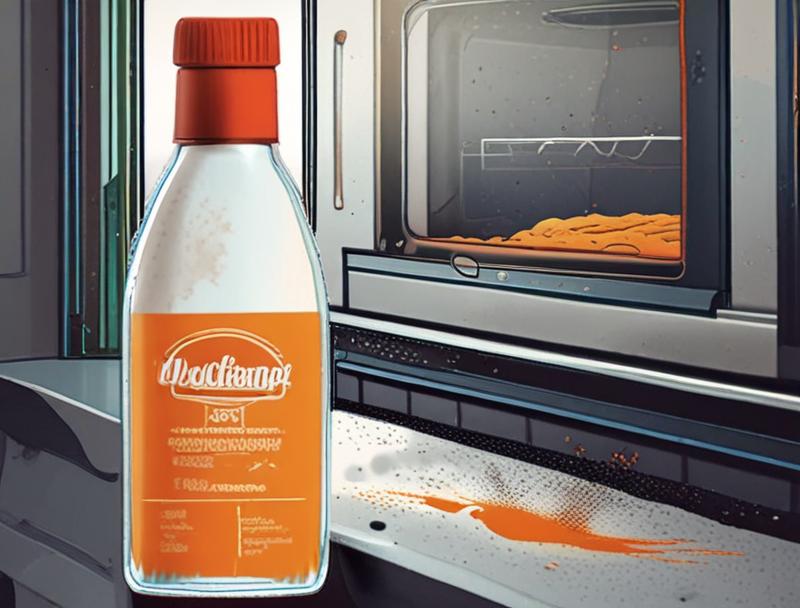
The main culprit behind a dirty oven door is often grease. When you cook, especially fatty foods, grease splatters. As the oven heats up, this grease bakes onto the glass.
Over time, it hardens and becomes very difficult to remove with just soap and water. This baked-on grime can look like a permanent stain.
- What is Baked-On Grease? This is fat and oil that has been exposed to high heat in the oven. It undergoes a chemical change, hardening and bonding strongly to surfaces like glass. It’s different from fresh grease, which is oily and easy to wipe away.
- Why it’s Hard to Remove: Regular kitchen cleaners are often not strong enough to break down this hardened grease. The heat essentially “fuses” the grease to the glass, making it resistant to simple wiping or washing. This is why a more targeted approach is needed.
Scratching the Glass
Another common worry is scratching the oven door glass. Using abrasive cleaners or rough scrubbing pads can leave permanent marks. These scratches can not only look bad but can also weaken the glass over time.
Beginners often fear they’ll make the problem worse by trying to fix it.
- Abrasive Cleaners: Some cleaning products contain particles that are too rough for glass. These can create tiny scratches that are visible under light. Always check the label to ensure a cleaner is safe for glass surfaces.
- Rough Scrubbing Tools: Steel wool, abrasive sponges, or stiff brushes can easily scratch glass. It’s tempting to use something tough on tough stains, but it’s counterproductive for glass doors.
Using the Right Cleaning Agents
People often aren’t sure which cleaning products are safe and effective for oven glass. Some might use harsh chemicals like oven cleaner meant for the interior, which can damage door seals or coatings. Others might try gentle methods that simply don’t work on tough grease.
- Harsh Chemicals: Strong oven cleaners are designed for the tough interior of the oven, which is usually made of enamel. They can be too aggressive for the glass and seals of the oven door, leading to damage.
- Ineffective Gentle Methods: While mild dish soap is good for everyday cleaning, it usually isn’t enough for baked-on grease. Readers might feel frustrated if their usual gentle methods fail to produce results.
The Solution: Natural and Gentle Methods
Fortunately, there are effective and safe ways to clean oven glass without harsh chemicals or excessive scrubbing. These methods often use common household items that are gentle yet powerful enough to tackle grease. They are perfect for beginners and seasoned cooks alike.
- Baking Soda Paste: A paste made from baking soda and water is a fantastic mild abrasive. It can lift grease and grime without scratching.
- Vinegar Spray: White vinegar is a natural degreaser and disinfectant. Sprayed on the glass, it helps loosen grease and adds shine.
- Steam Cleaning: For very tough messes, steam can help loosen hardened-on food, making it easier to wipe away.
These methods are easy to follow and readily available in most kitchens, making them ideal for anyone looking to achieve a spotless oven door. We will explore these methods in detail next.
How to Clean Oven Glass Door Properly: Step-by-Step Guide
This section provides a clear, easy-to-follow guide on How to Clean Oven Glass Door Properly. We will break down the process into simple steps using common household items. This approach ensures you get a sparkling clean oven door without damaging it or using harsh chemicals.
Follow these steps for a brilliant shine.
Preparation is Key
Before you start cleaning, gather your supplies. Make sure your oven is completely cool. This is important for safety and for the cleaning products to work effectively.
You don’t want to burn yourself or have cleaners evaporate too quickly.
- Gather Your Supplies: You will need baking soda, white vinegar, a bowl, a mixing spoon, an old cloth or sponge (non-abrasive), a spray bottle, and paper towels or a microfiber cloth for drying and polishing.
- Ensure Oven is Cool: Never clean a hot oven. Wait until the oven has cooled down completely after use. This prevents burns and ensures the cleaning paste doesn’t dry too fast.
Step 1: Make a Baking Soda Paste
In a small bowl, mix about half a cup of baking soda with a few tablespoons of water. Stir it until you get a thick paste, similar to frosting. This paste is your primary cleaning agent.
- Consistency is Important: You want the paste to be thick enough to stick to the glass without running off. If it’s too watery, add more baking soda. If it’s too dry and crumbly, add a little more water.
- Why Baking Soda Works: Baking soda is a mild alkali and a gentle abrasive. It helps to break down grease and lift grime without scratching the glass, making it an ideal cleaner for delicate surfaces.
Step 2: Apply the Paste to the Glass
Using your fingers or a cloth, spread the baking soda paste all over the inside of the oven door glass. Focus on the areas with the most grease and grime. You can apply a thicker layer on particularly tough spots.
- Even Application: Make sure to cover the entire glass surface. Pay extra attention to the corners and edges where grease tends to accumulate the most.
- Let it Sit: Allow the paste to sit on the glass for at least 15-30 minutes. For very stubborn stains, you can leave it on for a few hours or even overnight. This gives the baking soda time to work its magic.
Step 3: Wipe Away the Paste
After the paste has sat, use a damp cloth or sponge to wipe away as much of the paste and loosened grime as possible. Rinse your cloth frequently to avoid spreading the dirt around.
- Rinse Your Cloth Often: This step is crucial to remove the dirt effectively. If you don’t rinse, you’ll just be moving the dirty paste around.
- Gentle Scrubbing: If some spots are still tough, you can gently scrub them with the damp cloth or sponge. Avoid applying too much pressure.
Step 4: Spray with Vinegar
Once most of the paste is removed, spray white vinegar onto any remaining residue. The vinegar will react with any leftover baking soda, creating a gentle fizzing action that helps lift the last bits of grime. Wipe with a clean, damp cloth.
- Vinegar’s Role: White vinegar is acidic and a natural degreaser. It cuts through remaining grease and helps to clean and shine the glass. The fizzing reaction is a visual sign that it’s working to lift residue.
- Repeat if Needed: For very stubborn areas, you might need to spray vinegar again and let it sit for a few minutes before wiping.
Step 5: Rinse and Dry
Use a clean, damp cloth to rinse the glass thoroughly. Make sure all baking soda and vinegar residue is gone. Then, use a dry microfiber cloth or paper towels to dry and polish the glass until it shines.
- Thorough Rinsing: Leftover cleaner can leave streaks. Ensure you rinse the glass well with clean water.
- Polishing for Shine: A final polish with a dry cloth will remove any streaks and give your oven door glass a brilliant, streak-free shine. A microfiber cloth is excellent for this.
Dealing with Tough Stains (Advanced Tips)
Sometimes, even with the baking soda paste, some very old or burnt-on stains might remain. Here are a couple of extra tips for those particularly stubborn spots.
- Razor Blade Scraper: For extremely baked-on carbon deposits, a flat razor blade scraper can be used very carefully. Hold the blade at a low angle to the glass and gently scrape away the stain. Only do this on cooled glass and with extreme caution to avoid scratching. This is a last resort.
- Oven Cleaner (with caution): If all else fails, you can use a commercial oven cleaner, but only on the glass itself and strictly following the product’s instructions. Never let oven cleaner touch the oven’s door seals or exterior parts, as it can cause damage. Clean it off immediately and thoroughly.
Cleaning Between Oven Door Glass Panels
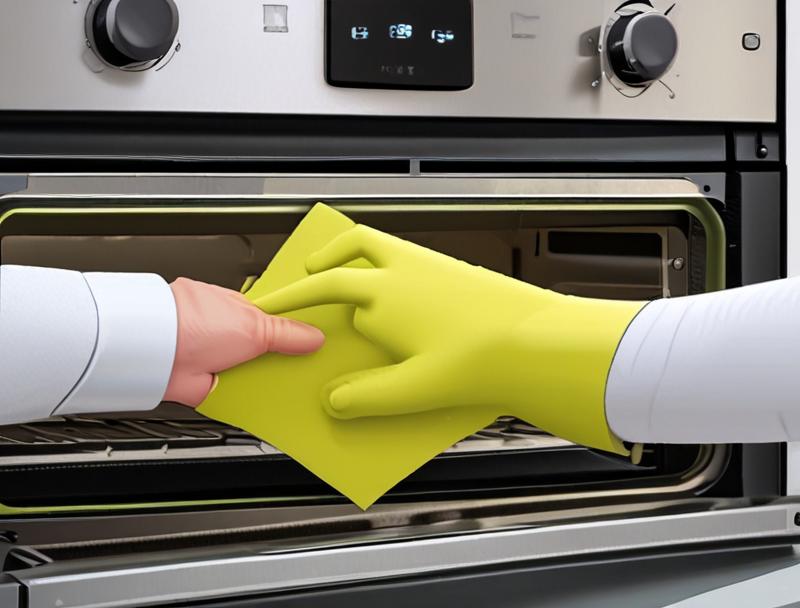
Some oven doors have two glass panels with a space in between. Sometimes, grease or food particles can get into this space, making the door look dirty from the inside. Cleaning this area requires a bit more effort, as you might need to partially disassemble the door.
This section explains how to approach this more involved cleaning task.
Is Your Oven Door Disassemblable?
Not all oven doors can be taken apart to clean the inner glass. Check your oven’s manual to see if your model allows for this. If it does, the manual will usually have instructions on how to safely remove the glass panels.
If your manual doesn’t mention it, it’s best not to try, as you could damage the door.
- Consult Your Oven Manual: This is the most important first step. Your manual is the definitive guide for your specific oven model. It will tell you if the door is designed for disassembly and how to do it safely.
- Look for Screws or Clips: Oven doors that are designed to be opened usually have visible screws or clips around the edges of the glass panels. These are the points where you would typically start the disassembly process.
How to Disassemble the Door (If Permitted)
If your oven manual indicates that you can disassemble the door, follow the instructions carefully. This usually involves unscrewing or unclipping the outer frame of the door to access the inner glass panel. Work slowly and keep track of all screws and parts.
- Safety First: Ensure the oven is unplugged and the door is cool before you begin. Work on a soft surface like a towel or carpet to prevent scratching the glass when you lay it down.
- Organize Parts: Keep all screws, clips, and removed parts in a small container or on a piece of paper to make reassembly easier.
Cleaning the Inner Glass
Once you have accessed the inner glass panel, you can clean it using the same baking soda paste and vinegar method described earlier. This area might have more accumulated grease, so let the paste sit for longer if needed.
- Targeted Cleaning: Apply the baking soda paste directly to the inner glass surface. Pay attention to any specific dirty spots or streaks.
- Gentle Wiping: Use a soft cloth or sponge to wipe away the paste. Be careful not to push too hard, especially on older or potentially fragile glass.
Reassembling the Oven Door
After cleaning and drying both the inner and outer glass panels, carefully reassemble the oven door. Make sure all parts are properly aligned and secured. Screw or clip everything back into place according to your oven manual’s instructions.
- Double-Check Alignment: Ensure the glass panels are seated correctly before you start putting screws back in. Misalignment can cause stress on the glass.
- Test the Door: Once reassembled, open and close the oven door a few times to ensure it functions smoothly and is securely attached.
If your oven door cannot be disassembled, or if you’re not comfortable doing so, you can try using a thin, flexible tool like a long spatula with a cloth wrapped around the end, or a specialized oven glass cleaning tool, to reach as far as possible between the glass panels. However, a thorough cleaning often requires disassembly.
Maintaining a Clean Oven Door
Keeping your oven door glass clean doesn’t have to be a big task if you do a little bit regularly. This part talks about simple habits that stop grease and grime from building up in the first place. A little effort now saves a lot of scrubbing later.
Wipe Up Spills Immediately
The best way to avoid tough stains is to clean up any messes as soon as they happen. If something spills inside the oven, wait for it to cool slightly, then wipe it up. This prevents splatters from baking on.
- Quick Clean-Up: Keep a damp cloth or paper towel handy. When you notice a spill, pause your cooking if safe, or address it right after you remove the food.
- Cool Down First: Don’t touch hot spills. Let the oven cool a bit so you don’t get burned. This also makes the residue easier to wipe off before it hardens.
Regular Light Cleaning
Even without big spills, the oven glass can get a light film of grease over time. A quick wipe-down every week or two can make a big difference. You can use a spray of diluted vinegar or a little dish soap on a damp cloth.
- Weekly Check: Make it a habit to glance at your oven door glass. If you see a light film, give it a quick wipe. This takes less than a minute.
- Vinegar Spray: A 50/50 mix of white vinegar and water in a spray bottle is excellent for light cleaning. It removes grease and leaves a streak-free shine.
Using Oven Liners or Foil (Carefully)
Some people use oven liners on the bottom of their oven to catch drips. While this can help with the oven floor, it’s not recommended to put liners directly on the oven door glass. However, being mindful of where splatters come from can help.
If you notice a lot of splattering from a specific dish, you might consider covering that dish with foil or an oven-safe lid.
- Liner Placement: Oven liners are for the oven floor only. They catch drips from baking pans. They should not be used on the oven door.
- Covering Dishes: For dishes prone to splattering, like roasts or fried foods, use a splatter cover or aluminum foil. This prevents grease from reaching the oven walls and door glass.
Professional Oven Cleaning Services
For very heavily soiled ovens, or if you simply don’t have the time or desire to clean it yourself, professional oven cleaning services are an option. They have specialized equipment and cleaning agents to tackle even the most baked-on messes.
- When to Call Pros: If your oven is extremely dirty, and you’ve tried basic methods without success, a professional service can be very effective.
- Cost vs. Effort: Consider the cost of the service versus the time and effort you would spend cleaning it yourself. For some, it’s a worthwhile expense.
By following these maintenance tips, you can keep your oven door glass looking great and make the deep cleaning process much less frequent and much easier.
Frequently Asked Questions
Question: How often should I clean my oven glass door?
Answer: It’s a good idea to give your oven glass door a quick wipe-down every week or two to remove light grease. For a deeper clean with baking soda and vinegar, aim for once a month, or whenever you notice stubborn build-up.
Question: Can I use window cleaner on my oven door glass?
Answer: It’s generally not recommended. Window cleaners can contain ammonia or other chemicals that might damage the oven door’s seals or coatings. Stick to gentle, natural cleaners like baking soda and vinegar.
Question: What if my oven door glass is stained on the outside?
Answer: For outside stains, a glass cleaner or a simple mixture of dish soap and water on a soft cloth should work. You can also use the vinegar spray method for exterior grime.
Question: Is it safe to use a razor blade to scrape off burnt-on food?
Answer: Yes, but only with extreme caution and on cooled glass. Hold the razor blade at a very low angle and scrape gently. This is a last resort for very tough spots and can scratch the glass if not done carefully.
Question: Can I use my self-cleaning oven feature to clean the door glass?
Answer: The self-cleaning cycle is for the interior of the oven, not the door glass. High temperatures can damage the door seals or the glass itself if they are not designed for it. Stick to manual cleaning methods for the door.
Summary
Keeping your oven door glass clean is simple with the right approach. By using common items like baking soda and vinegar, you can easily remove baked-on grease and grime. Regular light cleaning and prompt spill attention prevent tough build-up.
You’ll enjoy a clearer view and a safer, more attractive kitchen with these easy steps.