
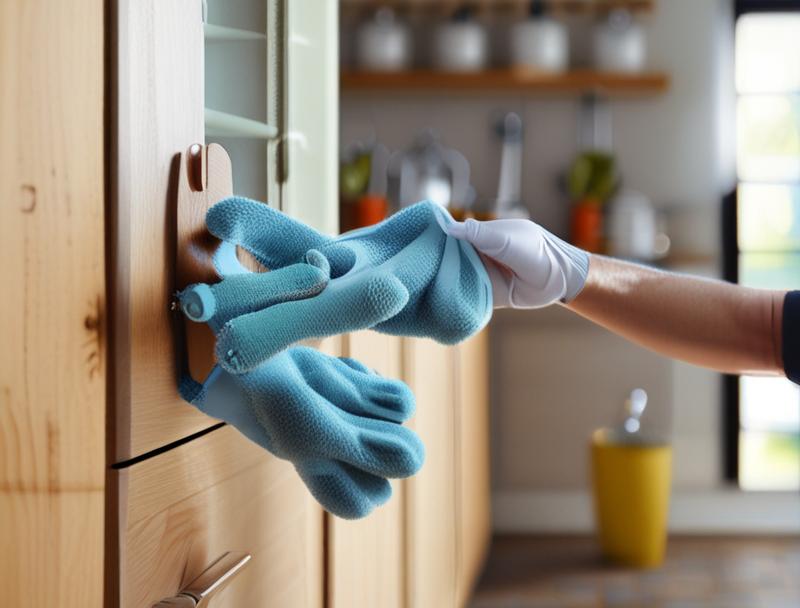
Cleaning kitchen cabinets can seem like a big job, especially if you’re worried about damaging the finish. Many people wonder how to clean kitchen cabinets without removing paint because they fear using the wrong cleaner will leave streaks or, worse, strip away the color. It’s totally understandable to feel a bit hesitant!
But don’t worry, it’s actually quite simple. We’ll walk you through it step-by-step, making it easy for anyone to get sparkling clean cabinets. Let’s get started on making your kitchen shine.
Gentle Cleaning for Cabinet Surfaces
This part is all about keeping your cabinets looking great without causing any harm. We’ll explore the best ways to tackle everyday grime, grease, and smudges that build up on your kitchen cabinets. The goal is to leave them clean and fresh, just like they were when they were new.
We’ll cover what you need and how to use it safely.
Choosing the Right Cleaning Supplies
When you’re thinking about how to clean kitchen cabinets without removing paint, the first step is to gather the right tools. You don’t need fancy or harsh products. Simple, everyday items often work best.
Having these on hand will make the cleaning process much smoother and more effective.
-
Mild Dish Soap: This is your go-to for cutting through grease and food splatters. It’s gentle enough for most cabinet finishes and readily available in any kitchen. You only need a tiny amount mixed with water.
-
Warm Water: Plain warm water is excellent for rinsing and wiping away cleaner residue. It helps to lift dirt and grime without damaging the paint or finish. Always use warm, not hot, water.
-
Soft Cloths or Sponges: Microfiber cloths are ideal because they are very absorbent and won’t scratch the cabinets. Old, soft cotton t-shirts or towels also work well. Avoid anything abrasive like steel wool or scrub brushes.
-
Bucket: You’ll need a bucket to mix your cleaning solution and another one for rinse water. Having two buckets helps prevent spreading dirt and residue back onto the cabinets.
The Basic Cleaning Method
Now that you have your supplies, let’s get to the actual cleaning. This method is designed to be safe and effective for almost all painted cabinet surfaces. It focuses on a gentle approach to preserve the paint while still getting them clean.
-
Prepare Your Solution: Fill one bucket with warm water and add a few drops of mild dish soap. Stir it gently to create a light lather. You want just enough soap to help with cleaning, not so much that it’s hard to rinse off.
-
Dampen Your Cloth: Dip a soft cloth or sponge into the soapy water. Wring it out very well so it’s just damp, not dripping wet. Excess water can damage wood and finishes over time.
-
Wipe Down Cabinets: Gently wipe the cabinet surfaces. Start at the top and work your way down. Pay attention to areas that get a lot of touching or splattering, like near the stove or sink.
-
Rinse Thoroughly: Fill your second bucket with clean, warm water. Dampen a fresh cloth in this water and wring it out well. Wipe down the cabinets again to remove any soap residue.
-
Dry Completely: Use a clean, dry, soft cloth to immediately dry the cabinets. This prevents water spots and streaks, ensuring a nice, even finish.
Example Scenario: Cleaning a Greasy Stove Area
Imagine your cabinets near the stove have a sticky layer of grease from cooking. You can tackle this by using your mild dish soap solution. For tougher spots, you might need to let the damp, soapy cloth sit on the greasy area for a minute before gently wiping.
Then, rinse and dry as usual. This gentle approach lifts the grease without harming the paint.
Dealing with Tougher Stains and Grime
Sometimes, standard cleaning isn’t enough for stubborn marks. This section will help you understand how to address things like marker stains, caked-on food, or sticky residues without resorting to harsh chemicals that could lift the paint. We will explore slightly stronger, but still safe, options for these tougher cleaning challenges.
Spot Cleaning Specific Issues
When you encounter a particularly stubborn spot, it’s best to treat it directly. This prevents you from over-cleaning larger areas or using a cleaner that might be too strong for the whole cabinet. Targeted cleaning is key to preserving the finish.
-
For Sticky Residue (like label remnants): Gently rub the spot with a cloth dampened with rubbing alcohol (isopropyl alcohol). Test this in an inconspicuous area first. The alcohol helps dissolve sticky adhesives.
Wipe the area clean with soapy water afterward, then rinse and dry.
-
For Marker or Crayon Marks: Try a baking soda paste. Mix a small amount of baking soda with water to create a paste. Apply it to the mark with a soft cloth and rub very gently in a circular motion.
Wipe away the paste with a damp cloth, rinse, and dry. Again, test this in a hidden spot first.
-
For Water Stains or Rings: Sometimes, a light sanding can help, but for painted cabinets, it’s best to try a gentle cleaner first. A paste of baking soda and water might lift minor water spots. For deeper stains, professional refinishing might be needed, but usually, these are avoidable with regular cleaning.
The Importance of Testing Cleaners
Before you apply any cleaning solution to a visible part of your cabinets, it’s crucial to test it. Find a small, hidden spot, like the inside of a cabinet door or the edge that’s usually out of sight. Apply your chosen cleaner there and let it sit for a few minutes.
Then, wipe it away and check for any discoloration, bubbling, or damage to the paint. If the test spot looks good, you can proceed with cleaning the rest of your cabinets.
Case Study: Restoring Cabinets After a Spill
A homeowner had a spill of tomato sauce on their white kitchen cabinets. They worried it would stain permanently. After a quick wipe with a damp cloth, a pinkish mark remained.
They mixed a paste of baking soda and water and gently rubbed it over the stain. After a few minutes, they wiped it clean with a damp cloth. The stain was gone, and the paint was perfectly intact.
This shows how a simple paste can save your cabinets.
Preventative Measures for Lasting Cleanliness
Keeping your cabinets looking good long-term is easier when you prevent dirt and grime from building up in the first place. This section focuses on simple habits and techniques that can help your cabinets stay cleaner between deep cleaning sessions, making the process of how to clean kitchen cabinets without removing paint less frequent and easier.
Regular Wipe-Downs
The most effective way to prevent major cleaning tasks is to do quick wipe-downs regularly. This means addressing spills and smudges as soon as they happen. Keeping a soft cloth handy in the kitchen can make this habit easy to adopt.
-
After Cooking: Wipe down cabinet fronts near your stove and countertops after you finish cooking. This prevents grease and food splatters from hardening and becoming difficult to remove.
-
Fingerprints: Kitchen cabinets, especially those with a glossier finish, often show fingerprints. A quick wipe with a dry microfiber cloth can remove them instantly. This is much easier than scrubbing later.
-
Wipe Handles and Knobs: The areas you touch most often, like cabinet handles and knobs, can get dirty quickly. Give them a quick wipe whenever you notice they look a bit grimy.
Protecting Against Heat and Moisture
Heat and moisture are the enemies of most painted surfaces. Being mindful of these elements can greatly extend the life and appearance of your kitchen cabinets. This is especially important around cooking areas and sinks.
-
Ventilation: Ensure your range hood is turned on when cooking, especially when frying or boiling. This helps to draw away steam and grease before they can settle on your cabinets.
-
Avoid Direct Heat: If you have cabinets near a heat-producing appliance like a toaster oven or a radiator, try to keep them a reasonable distance away or ensure there’s good ventilation. Prolonged heat can weaken the paint and finish.
-
Dry Up Spills: Immediately wipe up any water spills around the sink. Standing water can seep into the wood and cause damage or discoloration over time, especially around cabinet bases.
Sample Scenario: Preventing a Common Mess
When making toast, crumbs often fall onto the cabinet doors below the toaster. Instead of letting these crumbs accumulate and attract pests, a quick shake of the toaster over the trash can and a gentle wipe of the cabinet door with a dry cloth takes just seconds. This small habit prevents a sticky mess from forming and keeps the cabinets looking cleaner longer.
When to Call a Professional
While most cabinet cleaning can be handled at home, there are times when it’s best to seek expert help. Understanding these situations can save you time, effort, and prevent costly mistakes. This section highlights when you might want to leave the cleaning or restoration to the pros.
-
Extensive Damage: If your cabinets have deep scratches, peeling paint, or significant water damage, a DIY approach might not be enough. Professionals have the tools and expertise to repair or restore these issues properly.
-
Delicate Finishes: Some cabinets have very specialized or antique finishes that are highly sensitive to cleaning products. A professional cleaner or cabinet restorer will know how to handle these delicate surfaces safely.
-
Mold or Mildew: If you discover mold or mildew on your cabinets, it’s important to address it thoroughly. Professionals have access to stronger, yet safe, treatments that can eliminate the growth and prevent its return, ensuring your health and safety.
Understanding Different Cabinet Materials
Not all cabinets are made the same, and knowing your cabinet material can help you choose the right cleaning approach. While this guide focuses on painted cabinets, understanding materials like laminate, wood, or thermofoil can help you identify when a different cleaning method might be needed, or when to seek professional advice.
For instance, thermofoil cabinets have a vinyl wrap over particleboard. Harsh cleaners can melt or peel this wrap. Laminate is more durable but can still be scratched.
Solid wood can expand and contract with moisture. Painted cabinets, our focus here, are generally forgiving with gentle cleaners, but aggressive scrubbing or chemicals can lift the paint itself, which is what we aim to avoid.
Statistic: Common Cabinet Maintenance Issues
According to a recent survey of homeowners, the most common issues encountered with kitchen cabinets include wear and tear on painted finishes (35%), grease buildup (28%), and water damage around sinks (15%). This highlights the need for effective, gentle cleaning methods to address these prevalent problems.
Frequently Asked Questions
Question: Can I use all-purpose cleaners on my painted cabinets?
Answer: It’s best to be cautious. Many all-purpose cleaners contain harsh chemicals that can dull or even strip the paint from your cabinets. Always opt for mild dish soap and water for general cleaning, and test any other cleaner in a hidden spot first.
Question: How often should I clean my kitchen cabinets?
Answer: For best results, a quick wipe-down should happen weekly or as needed, especially after cooking or if spills occur. A more thorough cleaning with soap and water can be done every few months, depending on usage and how quickly they get dirty.
Question: What’s the best way to remove a sticky residue from a cabinet?
Answer: For sticky residue, like from old labels, try rubbing alcohol applied to a soft cloth. Gently rub the area. Afterward, clean the spot with mild dish soap and water, then rinse and dry to remove any alcohol traces.
Question: My painted cabinets look dull. How can I restore their shine?
Answer: A dull finish is often due to cleaner residue or a buildup of grime. Make sure you’re rinsing thoroughly after cleaning. Sometimes, a final wipe with a clean, dry microfiber cloth after cleaning and drying can bring back a nice sheen.
Question: Should I worry about moisture damaging my cabinets?
Answer: Yes, moisture can be a problem. Always wipe up spills immediately, especially water. Ensure good ventilation when cooking to reduce steam.
Avoid letting wet cloths or sponges sit on cabinet surfaces for extended periods.
Final Thoughts
Keeping your kitchen cabinets looking great, how to clean kitchen cabinets without removing paint is achievable with simple methods. Focus on gentle cleaners like mild dish soap and water. Always test products in a hidden area first.
Regular quick wipes prevent big messes, and immediate attention to spills protects your finish. You can easily maintain clean, beautiful cabinets.