
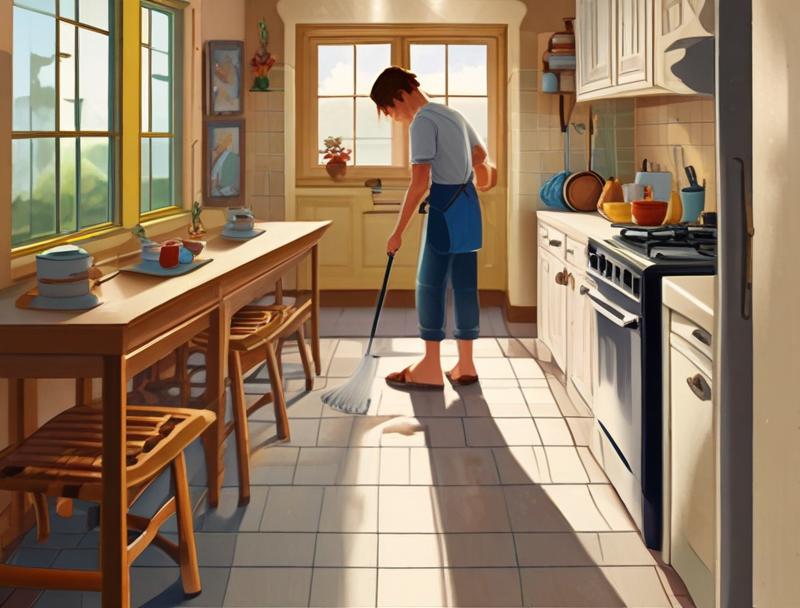
Kitchen floors can get sticky from spills and crumbs, making it hard to keep them clean. Many people find How to Clean a Sticky Kitchen Floor Naturally a bit tricky, especially when they are just starting out. It seems like a simple chore, but those stubborn sticky spots can be a real challenge.
Don’t worry, though! We have a super easy, step-by-step guide that will help you tackle those sticky messes without any harsh chemicals. Get ready to make your kitchen floor shine again.
Getting Started with Natural Floor Cleaning
This section will walk you through the very first steps you need to take before you can even think about tackling sticky spots. It’s all about preparation and knowing what you’re working with. We’ll cover the basic tools and ingredients you’ll need, which are likely already in your home.
Understanding these simple starting points will make the rest of the cleaning process much smoother. You’ll learn why these common items are so effective and how to gather them without a trip to the store.
Gathering Your Natural Cleaning Supplies
To clean your kitchen floor naturally, you don’t need fancy gadgets or expensive cleaners. Most of what you need is probably in your pantry right now. Having these items ready will make your cleaning day much easier.
It’s about using everyday things in smart ways.
- White Vinegar: This is a superstar for cleaning. It cuts through grease and grime really well. It also helps to disinfect surfaces without the strong smells of chemical cleaners.
- Baking Soda: This mild abrasive is perfect for scrubbing away tough spots. It’s also great at absorbing odors.
- Water: Simple, clean water is your main diluent and rinsing agent.
- Essential Oils (Optional): A few drops can add a pleasant scent and boost cleaning power.
- Microfiber Cloths or Mops: These are great for picking up dirt and absorbing liquids.
White vinegar is an acidic liquid that can break down the bonds of dirt and grease. When you use it diluted with water, it’s gentle enough for most floor types but still powerful enough to remove sticky residues. Its natural disinfectant properties also help kill bacteria lurking on your floor, which is great for a kitchen environment.
Baking soda, also known as sodium bicarbonate, is a gentle scrubbing agent. When mixed with water, it forms a paste that can lift sticky messes from the floor. It works by physically scrubbing away the residue without scratching the floor’s surface.
It’s also a natural deodorizer, meaning it will leave your kitchen smelling fresh.
Water is essential for dissolving many types of dirt and grime. It also helps to rinse away the cleaning solutions you use. Warm water can often be more effective at breaking down greasy residues than cold water, so using warm water is usually recommended.
Adding a few drops of essential oils like lemon, tea tree, or lavender can make your cleaning smell nicer. Some oils, like tea tree oil, also have natural antimicrobial properties that can add an extra layer of cleaning power to your solution. Just be sure to use them sparingly, as too much can leave a residue.
Microfiber is a synthetic material made of very fine fibers. These tiny fibers are excellent at trapping dirt, dust, and moisture. They are less likely to scratch your floors and can hold more liquid than traditional cotton cloths, making them very effective for cleaning and drying.
Preparing Your Cleaning Solution
Making your natural cleaning solution is simple. You will combine a few of the items we just talked about. The right mix is key to getting those sticky spots gone.
Let’s make a batch that’s ready to go.
A good starting point for a sticky kitchen floor cleaner is a mixture of equal parts white vinegar and warm water. For instance, you can mix one cup of white vinegar with one cup of warm water in a spray bottle or a bucket. If you’re dealing with particularly tough sticky spots, you might want to add a teaspoon of baking soda directly to the spot and let it sit for a few minutes before applying the vinegar-water solution.
For an even better scent, consider adding 5-10 drops of your favorite essential oil to the vinegar and water mixture. Lemon essential oil is popular because it smells fresh and can help cut through grease. Lavender is calming, and tea tree oil offers extra germ-fighting power.
Just make sure your floor type can handle essential oils; some delicate finishes might react poorly.
Remember, always test your cleaning solution in an inconspicuous spot on your floor first. This is to make sure it doesn’t cause any discoloration or damage. Most vinyl, tile, and sealed laminate floors are fine with this mixture, but unsealed wood or certain natural stones might require a different approach.
Tackling the Sticky Messes: Step-by-Step
Now that you have your natural cleaning solution ready and know what supplies you need, it’s time to get down to business. This section breaks down exactly how to use your natural cleaners to get rid of those sticky patches. We’ll go from the general cleaning to targeting those really stubborn, stuck-on bits.
You’ll see how easy it is to make your floor look and feel clean again.
General Cleaning of Sticky Areas
Start by spraying your natural cleaning solution directly onto the sticky areas of the floor. Let it sit for a minute or two. This gives the vinegar time to start breaking down the sticky residue.
Don’t oversaturate the floor, especially if you have wood or laminate. A light mist is usually enough.
After the solution has had a moment to work, use your microfiber cloth or mop to wipe the area. You’ll likely see the sticky stuff start to lift away. For most everyday stickiness, this might be all you need.
You can then move on to rinsing and drying.
If the stickiness is widespread, you might want to work in sections. Spray one area, wipe it clean, then move to the next. This way, the cleaner doesn’t dry out on the floor before you have a chance to wipe it up.
It keeps the process efficient.
Dealing with Stubborn Sticky Spots
For those really tough, dried-on sticky spots, like dried syrup or juice, you’ll need a little extra help. After spraying the spot with your vinegar-water solution, sprinkle a small amount of baking soda directly onto the sticky area. The baking soda will react with the vinegar, creating a gentle fizzing action that helps to lift the gunk.
Let this baking soda and vinegar mixture sit for about 5 to 10 minutes. This dwell time is important for allowing the ingredients to work their magic. The baking soda acts as a mild abrasive, and the vinegar helps to dissolve the sticky substance.
Once the mixture has had time to work, gently scrub the area with your microfiber cloth or a soft brush. You should find that the sticky residue is much easier to remove. Be careful not to scrub too hard, as you don’t want to damage your floor’s finish.
If some stickiness remains, repeat the process. Sometimes, a second application is all it takes for the most stubborn messes. Once the sticky spot is gone, wipe away any remaining baking soda residue with a damp cloth.
Rinsing and Drying Your Floor
After you’ve tackled all the sticky spots, it’s time to rinse your floor. This removes any leftover cleaning solution and baking soda residue. Use a clean mop or cloth dampened with plain water.
Go over the areas you cleaned, making sure to pick up all the traces of vinegar and baking soda.
Drying is just as important. Use a clean, dry microfiber cloth or a dry mop to thoroughly dry the floor. This prevents water spots and helps maintain the shine of your floor.
For kitchens, ensuring the floor is dry quickly also helps reduce the risk of slips and falls. It also prevents moisture from seeping into grout lines or wooden planks.
A well-rinsed and dried floor will feel much cleaner and look better. You’ll notice the difference immediately. The absence of sticky residue and cleaning solution makes your kitchen feel truly fresh.
A Practical Example: Spilled Honey
Imagine you accidentally spilled a jar of honey on your kitchen floor. Honey is notoriously sticky and can attract ants if not cleaned up properly. Here’s how you’d handle it using your natural cleaning method.
- Immediate Cleanup: First, try to wipe up as much of the excess honey as possible with a paper towel or a damp cloth. Get up what you can without spreading it too much.
- Apply Solution: Spray your white vinegar and water solution generously over the remaining sticky honey residue. Let it sit for about 5 minutes.
- Baking Soda Boost: Sprinkle a layer of baking soda over the honey spot. You should see it start to fizz slightly as it reacts with the vinegar.
- Gentle Scrub: Let the baking soda and vinegar mixture work for another 5-10 minutes. Then, use a damp microfiber cloth or a soft scrub brush to gently work the honey loose.
- Wipe and Rinse: Wipe away the loosened honey and baking soda with a clean, damp cloth. Rinse the cloth often.
- Final Rinse and Dry: Once all the honey is gone, do a final rinse with plain water. Then, dry the area thoroughly with a dry cloth or mop.
The result? A clean floor without sticky honey residue and no need for harsh chemicals. The natural ingredients effectively broke down the sugary stickiness and left the area clean and fresh.
This process is effective for many food-related sticky spills, from jam to syrup to melted chocolate.
Maintaining a Naturally Clean Kitchen Floor
Keeping your kitchen floor clean and free of stickiness doesn’t have to be a constant battle. This part of our guide focuses on simple, everyday habits that will help prevent sticky messes from forming in the first place. You’ll learn how to do quick clean-ups and how to keep your floor looking great with minimal effort.
It’s all about working smarter, not harder, with natural methods.
Quick Daily Wipes
The easiest way to keep your kitchen floor sticky-free is to deal with spills as soon as they happen. Keep a spray bottle of your natural cleaning solution and a few microfiber cloths handy in your kitchen. When something spills, like a bit of juice or a crumb trail from a snack, a quick spray and wipe can prevent it from drying and becoming a sticky problem.
These quick clean-ups take only a few seconds but can save you a lot of scrubbing later. A few spritzes of vinegar-water and a quick wipe-down are usually enough to handle minor spills. This also helps prevent tiny food particles from accumulating and becoming sticky over time.
Making this a habit is key. It doesn’t require much extra time but makes a big difference in the overall cleanliness of your kitchen. Think of it as a preventative measure that keeps your floors looking good day after day.
Regular Sweeping and Mopping
Even with daily wipe-downs, regular sweeping and mopping are essential. Sweep your floors daily or every other day to pick up loose crumbs, dust, and debris. This prevents these particles from being tracked around and potentially becoming sticky when mixed with spills.
Follow up with a weekly mopping using your natural cleaning solution. This deeper clean will tackle any grime that sweeping misses and ensure that any residual stickiness is addressed. Use the vinegar and water mixture, and remember to rinse and dry thoroughly.
This consistent routine will prevent sticky build-up.
The frequency of mopping can depend on how much traffic your kitchen gets and how prone it is to spills. If you have kids or pets, you might find yourself mopping more often. The goal is to keep the floor consistently clean, making sticky messes less likely to form.
Preventing Future Sticky Situations
Beyond cleaning, there are simple ways to prevent sticky situations from occurring. Using placemats and coasters can catch drips from glasses and plates, preventing them from reaching the floor directly. This is especially helpful for children’s mealtimes.
Wipe down kitchen counters and tables regularly. Many spills happen on these surfaces and can easily drip or be wiped onto the floor. Keeping these areas clean reduces the chances of sticky messes migrating downwards.
Consider your cooking habits. Be mindful when pouring liquids or handling sticky ingredients. Using a tray or a large cutting board can catch any accidental drips or spills before they hit the floor.
These small adjustments can significantly reduce the amount of sticky residue you have to deal with.
Understanding Your Floor Type
It’s important to know what your kitchen floor is made of before you start cleaning. Different floor materials can react differently to cleaning solutions, even natural ones. This section will help you identify common floor types and provide specific tips for cleaning them naturally to avoid any damage or lingering stickiness.
Common Kitchen Floor Materials
Most kitchens have one of a few common floor types: tile, vinyl, laminate, linoleum, or hardwood. Each has its own characteristics.
- Tile (Ceramic and Porcelain): These are very durable and generally resistant to most cleaners. The grout lines, however, can absorb spills and become discolored or sticky.
- Vinyl and Linoleum: These are popular for their affordability, water resistance, and ease of cleaning. They are generally forgiving with natural cleaners.
- Laminate Flooring: This is a multi-layer synthetic floor attached to a fiberboard base. It can mimic wood or tile. It’s important to avoid excess moisture, as it can cause the core to swell.
- Hardwood Flooring: Natural wood floors require careful cleaning. Excess water can cause warping, staining, and damage to the finish.
Ceramic and porcelain tiles are fired at high temperatures, making them dense and hard. They are excellent choices for kitchens due to their resistance to moisture, stains, and wear. However, the porous nature of grout between tiles means it can absorb liquids and become a breeding ground for dirt and grime if not properly sealed and cleaned regularly.
Sealing grout is a key step in preventing sticky build-up within it.
Vinyl and linoleum are resilient flooring materials. Vinyl is typically made from synthetic compounds, while linoleum is made from natural, renewable materials like linseed oil, cork dust, and wood flour. Both are known for being waterproof or highly water-resistant, making them ideal for kitchens.
They are also flexible and comfortable underfoot, and their surfaces are usually non-porous, making them resistant to stains and easy to wipe clean.
Laminate flooring is constructed in layers. The top layer is a clear, protective wear layer, followed by a decorative paper layer that gives it its appearance (like wood grain). Beneath this is a core layer made of high-density fiberboard (HDF), which is susceptible to water damage.
The bottom layer provides stability. Because the HDF core can absorb moisture and swell, it’s crucial to clean laminate floors with minimal liquid and to wipe up any spills immediately.
Hardwood floors are made from solid wood planks. They are beautiful and add value to a home, but they are also the most sensitive to moisture. The natural wood can absorb water, leading to expansion, contraction, and potential warping.
The protective finish on the hardwood can also be damaged by harsh chemicals or excessive scrubbing. Therefore, cleaning hardwood floors naturally requires a light touch and very little moisture.
Tips for Specific Floor Types
When cleaning sticky spots on different floor types, a few adjustments can make a big difference. Always remember to use as little liquid as possible and to dry thoroughly.
- For Tile and Grout: Use your vinegar-water solution. For tough grout stains, make a paste of baking soda and water, apply it to the grout lines, let it sit, then scrub with a grout brush. Rinse thoroughly.
- For Vinyl and Linoleum: Your standard vinegar-water solution is usually perfect. Wipe the sticky area, then rinse with a damp cloth and dry.
- For Laminate Flooring: Use a damp (not wet) mop or cloth with your vinegar-water solution. Spray the cleaner onto your cloth first, not directly onto the floor. Wipe the sticky spot and then immediately dry the area with a clean, dry cloth.
- For Hardwood Flooring: Use a very lightly damp mop or cloth with a highly diluted vinegar-water solution (e.g., 1 part vinegar to 10 parts water). Always wipe dry immediately. For very tough spots, a baking soda paste can be used very cautiously, ensuring it’s wiped up completely and the area is dried instantly.
Tile floors are quite durable, but their grout can be a challenge. White vinegar is effective at breaking down the sticky residues that get trapped in grout pores. For extra cleaning power on grout, a paste of baking soda and water applied directly to the stained areas can work wonders.
After letting it sit, a stiff brush (like a toothbrush or a specialized grout brush) can help lift out embedded grime. Always finish by wiping with a clean, damp cloth to remove all residue.
Vinyl and linoleum floors are quite resilient. The vinegar and water mixture is excellent for cutting through sticky messes on these surfaces. Because they are less porous than grout or wood, you don’t have to worry as much about the solution seeping in.
However, it’s still a good practice to rinse with plain water and then dry the floor to prevent any slickness or residue from forming, which could attract more dirt.
Laminate floors need special care because their core material can swell and become damaged by excess moisture. When cleaning sticky spots on laminate, the key is to use minimal liquid. Spraying your cleaner onto a microfiber cloth instead of directly onto the floor ensures you have more control over the amount of moisture.
Wipe the sticky area quickly and then use a dry cloth to absorb any remaining dampness. This prevents the core from absorbing water and causing damage.
Hardwood floors are the most delicate when it comes to cleaning sticky messes. Over-wetting can cause permanent damage, such as warping, cupping, or staining. It’s best to use the least amount of liquid possible.
A solution of one part vinegar to ten parts water is a good starting point. Even better is to apply the cleaner to your cloth first. For stubborn sticky spots on hardwood, you can try a very thick paste of baking soda and water, applied only to the spot itself.
Let it sit for no more than a few minutes, then carefully wipe it away and dry the area immediately and thoroughly.
A key statistic shows that over 60% of homeowners have experienced damage to their flooring due to improper cleaning methods, highlighting the importance of knowing your floor type.
Frequently Asked Questions
Frequently Asked Questions
Question: Can I use lemon juice instead of vinegar?
Answer: Yes, lemon juice can also be used as a natural cleaner because it’s acidic and has degreasing properties. However, vinegar is generally more effective at tackling sticky residues and is also a better disinfectant. If you use lemon juice, make sure to dilute it and test it on an inconspicuous area first, as its acidity can be strong.
Question: How often should I clean my sticky kitchen floor?
Answer: It’s best to wipe up spills as soon as they happen to prevent them from becoming sticky. For a deeper clean, a weekly mop with your natural solution is usually sufficient for most kitchens. You might need to mop more often if your kitchen gets a lot of foot traffic or has frequent spills.
Question: Will the vinegar smell linger on my floor?
Answer: The smell of vinegar is usually quite strong while you’re cleaning, but it dissipates quickly as it dries. Adding a few drops of essential oil like lemon or lavender to your cleaning solution can help mask the vinegar scent and leave a more pleasant aroma. Ensure good ventilation while cleaning.
Question: Can I use this method on natural stone floors?
Answer: For natural stone floors like granite or marble, it’s best to avoid vinegar and lemon juice altogether, as their acidity can etch the stone. A pH-neutral cleaner or just warm water with a mild dish soap is recommended. Always check the manufacturer’s recommendations for your specific stone flooring.
Question: What if the sticky spot is dried paint?
Answer: Dried paint can be one of the toughest sticky messes. For latex-based paint, try softening it with your vinegar solution and then gently scraping with a plastic scraper or using a bit of baking soda paste. For tougher paints, you might need a specialized natural paint remover, but always test it first.
Final Thoughts
Keeping your kitchen floor clean from sticky messes naturally is achievable. By using simple household ingredients like vinegar and baking soda, you can effectively tackle spills and grime. Remember to prepare your solution, apply it correctly, and rinse and dry thoroughly.
With a little regular attention, your floors will stay clean and welcoming.