
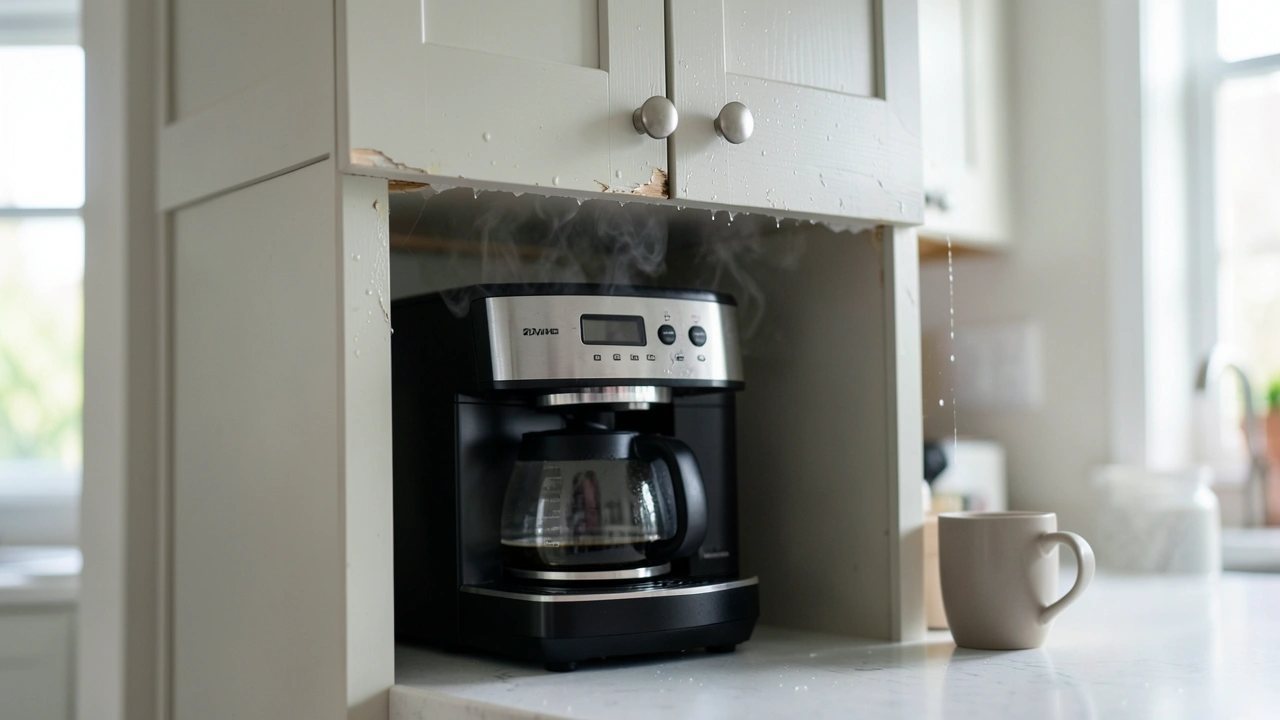
Have you ever wondered Why Steam Damages Cabinets Above Coffee Makers? It’s a common puzzle for many folks setting up their kitchen. You want that perfect cup of coffee, but you don’t want to ruin your beautiful cabinets.
It might seem tricky, but don’t worry! We’ve got a simple plan to help you figure it all out. We’ll walk you through what’s happening and how to stop it, step by step.
Get ready to learn how to keep your kitchen looking great!
Understanding the Impact of Steam on Kitchen Cabinets
This section is all about explaining how the hot, moist air from your coffee maker can cause problems for the cabinets right above it. We’ll look at the science behind it in a way that’s easy to grasp. You’ll learn why this happens and what signs to look for on your cabinets.
Think of it as getting to know the enemy so you can beat it! We’ll break down the parts of your cabinets that are most affected and what those changes mean for their look and strength.
What is Cabinetry Material?
Cabinetry material refers to the stuff your cabinets are made from. Most kitchen cabinets are built using wood products. These can include solid wood, like oak or maple, which is strong and looks nice.
They can also be made from engineered wood. This is wood that’s been processed and put together, like plywood or particleboard. Plywood is layers of wood glued together.
Particleboard is made from wood chips and sawdust pressed together. These materials are usually covered with a layer to make them look good and protect them.
How Humidity Affects Wood Products
Humidity is the amount of water vapor in the air. When there’s a lot of humidity, like from steam, wood products soak it up. This makes the wood expand.
Think of a sponge getting wet; it gets bigger. When the wood expands, it can start to warp or bend. If the wood gets wet and then dries out often, it can crack or peel.
This is especially true for engineered wood products, which can swell a lot when wet and then not go back to their original shape.
Signs of Steam Damage
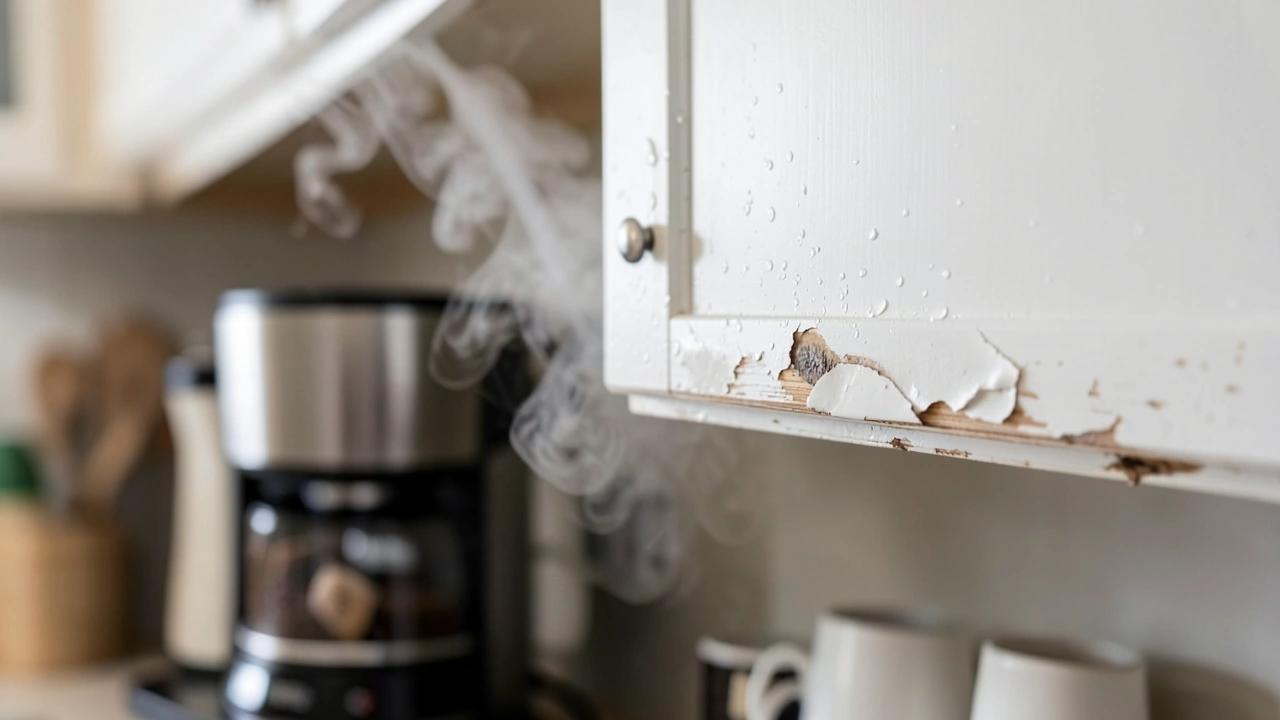
You might see a few things if steam is hurting your cabinets. The paint or finish on the cabinets could start to look dull or faded. You might see little white spots or marks, almost like water rings.
Sometimes, the wood itself might start to swell up and look bumpy or warped. If you touch the cabinet and it feels sticky, that’s another sign the finish is breaking down from the moisture. You could also notice the cabinet doors aren’t closing quite right anymore because the wood has changed shape.
The Role of Coffee Maker Steam
Coffee makers create steam when water heats up and turns into vapor. This steam is hot and full of moisture. When the coffee maker is brewing, this warm, steamy air rises.
If your cabinets are placed directly above where the steam is coming out, they get a direct blast of this moist heat. This constant exposure is what starts to cause the damage. It’s like leaving a wet towel on a wooden table for too long; the wood eventually gets damaged by the dampness.
Common Causes of Why Steam Damages Cabinets Above Coffee Makers
Here, we’ll get into the specific reasons why those cabinets above your coffee maker are so vulnerable. It’s not just about the steam itself, but how it interacts with the materials and the environment in your kitchen. We’ll talk about things like the type of finish on your cabinets and how much ventilation you have.
Understanding these points will help you see why this problem happens more often than you might think, especially for newer kitchens or those with specific designs.
Cabinet Finishes and Sealants
Cabinet finishes are like a shield for your cabinets. They are coatings applied to the wood to protect it and make it look nice. Common finishes include paint, varnish, or lacquer.
A good finish helps keep moisture out. However, if the finish is old, cracked, or not applied very well, steam can get through. Sealants are materials that fill gaps and prevent leaks.
If the sealant around the edges of the cabinet or where it meets the wall isn’t perfect, steam can sneak in and cause trouble.
Ventilation and Airflow
Good ventilation means air can move freely. In a kitchen, this helps get rid of steam and odors. If there isn’t much airflow above your coffee maker, the steam just sits there.
It gets trapped against the bottom of the cabinet. This is like wearing a wet jacket in a still room; you stay damp longer. Poor ventilation means the steam has more time to soak into the cabinet material and do damage.
Opening a window or using a kitchen fan can really help.
Proximity to Heat Sources
The closer your cabinets are to the coffee maker, the more heat and steam they will get. Some kitchens have cabinets that are very close to where people put their coffee makers. This tight space means the steam doesn’t have much room to escape.
It’s forced right up into the cabinet. If there’s also a heat source, like a light fixture, inside the cabinet, that can make the problem worse. The heat can dry out the wood, and then the moisture can cause it to swell and crack.
Material Porosity
Porosity means how much a material can absorb liquids. Some cabinet materials are more porous than others. For example, unfinished wood is very porous and will soak up water easily.
Even finished wood can become more porous over time if the finish wears away. Engineered wood products like particleboard are generally more porous than solid wood. This means they can absorb more moisture from the steam, leading to quicker damage.
Think of a very absorbent towel compared to a rubber mat.
How to Prevent Steam Damage to Cabinets Above Coffee Makers
Now for the good stuff: how to stop this from happening! This part is all about practical steps you can take. We’ll cover simple changes you can make to your kitchen setup and maintenance routines.
You’ll find easy ways to protect your cabinets and keep them looking new for a long time. It’s about being a little smart with where you place things and how you care for your kitchen.
Strategic Placement of Coffee Makers
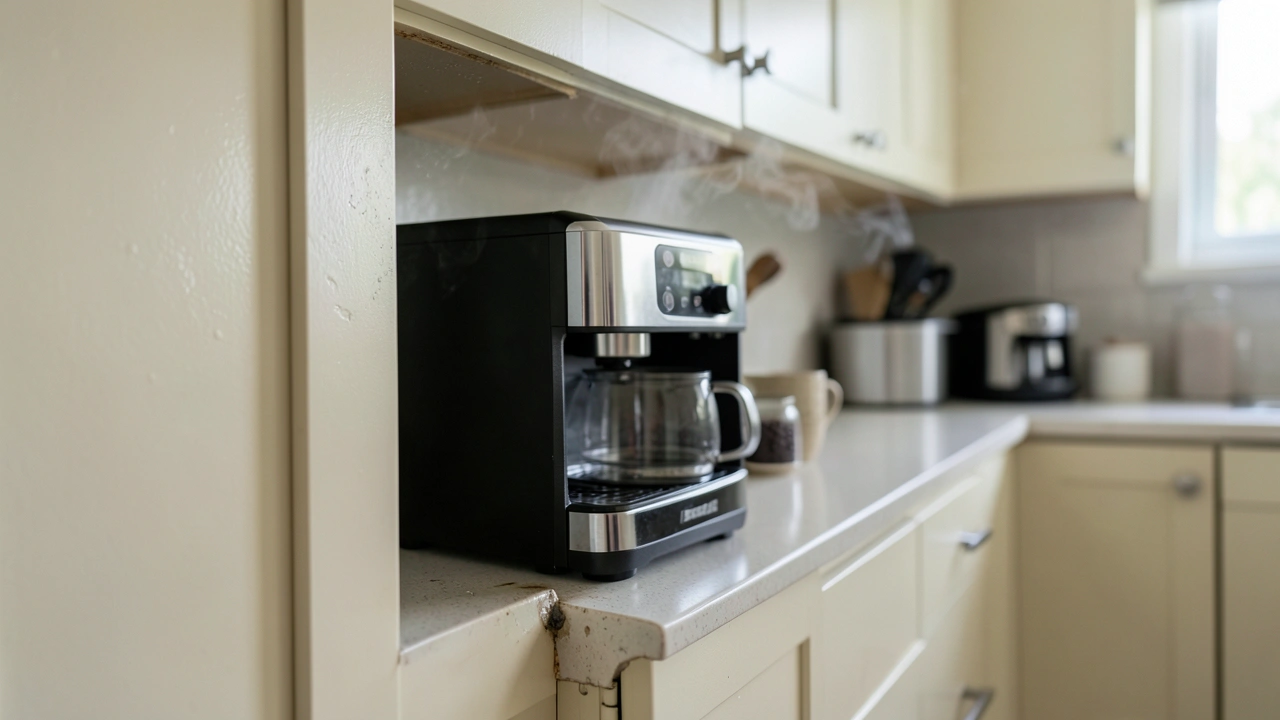
One of the easiest ways to prevent damage is to think about where you put your coffee maker. If you can, try to place it somewhere where the steam won’t directly hit your cabinets. Maybe on a counter that doesn’t have cabinets directly above it, or a little to the side.
Even shifting it a few inches can make a big difference. If your coffee maker has a steam vent that points sideways, turn it away from the cabinets.
Improving Kitchen Ventilation
Making sure your kitchen has good airflow is key. Always try to use your kitchen exhaust fan when you’re brewing coffee or cooking. If you don’t have an exhaust fan, open a window or a door to let fresh air in.
This helps the steam escape the room instead of building up and hitting your cabinets. Keeping your kitchen well-ventilated is good for more than just protecting cabinets; it makes the whole space feel better.
Applying Protective Coatings
You can add extra protection to the bottom of your cabinets. There are special heat and moisture-resistant films or sprays you can apply. These act like an extra shield for the wood.
You can also use a good quality sealant on the wood itself, especially if it’s unfinished or the finish is worn. Regular waxing of your cabinets can also help repel moisture, keeping the finish strong.
Regular Cleaning and Maintenance
Wiping down the bottom of the cabinets above your coffee maker after each use can help. Use a dry cloth to catch any stray steam or condensation. Also, inspect your cabinets regularly for any signs of wear or damage.
If you see a small chip in the paint or a loose edge, fix it right away. Small problems can become big problems if left untreated, especially when it comes to moisture.
Using a Cabinet Shield
A cabinet shield is a special accessory designed to protect cabinets from steam. These are often made of clear plastic or metal and attach to the underside of the cabinet. They catch the steam and direct it away from the wood.
Some are simple angled pieces, while others are more elaborate. They’re a good option if you can’t move your coffee maker or improve ventilation easily. They offer a direct barrier against the moisture.
Advanced Solutions for Why Steam Damages Cabinets Above Coffee Makers
For those who want to go the extra mile, this section explores more involved ways to combat steam damage. We’ll discuss modifications and materials that offer superior protection. These might require a bit more effort or cost, but they can provide long-term security for your cabinetry.
Think of these as the heavy-duty options for serious protection. We’ll look at ways to physically alter or enhance your cabinets to be more resistant.
Moisture-Resistant Cabinet Materials
When choosing new cabinets or refacing old ones, you can opt for materials that are naturally more resistant to moisture. Some synthetic materials or specially treated woods are designed for high-humidity environments. For instance, certain types of laminate or high-density fiberboard (HDF) can offer better protection than traditional particleboard.
Even within wood, some species are naturally denser and absorb less moisture.
Ventilation Systems
Beyond just opening a window, you can install more advanced ventilation systems. This could involve adding a small, quiet fan directly into the cabinet or creating a more integrated exhaust system. These systems actively pull moisture away from the cabinet.
A mini-ducted fan connected to your main kitchen exhaust can be very effective. Some smart home systems even allow for humidity sensors to automatically turn on ventilation when needed.
Sealing and Waterproofing Techniques
More advanced sealing techniques can be employed. This involves using specialized waterproof sealants and primers before applying the final finish. For areas that are particularly exposed, a marine-grade sealant can offer exceptional protection.
These materials are designed to withstand constant exposure to water. Applying multiple thin coats of sealant is often more effective than one thick coat. Proper surface preparation is crucial for any sealant to adhere well and be effective.
DIY Cabinet Modifications
For the handy homeowner, there are DIY modifications that can add protection. This might involve adding a small drip tray to the underside of the cabinet, angled to catch and channel water away. You could also install a small piece of moisture-resistant material, like thin aluminum sheeting, to the underside of the cabinet.
These creative solutions can provide a physical barrier against the steam and moisture, extending the life of your cabinets.
Professional Cabinet Refinishing
If your cabinets are already showing signs of damage, or you want the best possible protection, professional cabinet refinishing is an option. A professional can strip the old finish, repair any damage, and apply a high-quality, moisture-resistant finish. They have access to commercial-grade products and techniques that can offer superior durability and protection compared to DIY methods.
This is a significant investment but can restore and protect your cabinets for years.
Real-Life Examples and Statistics
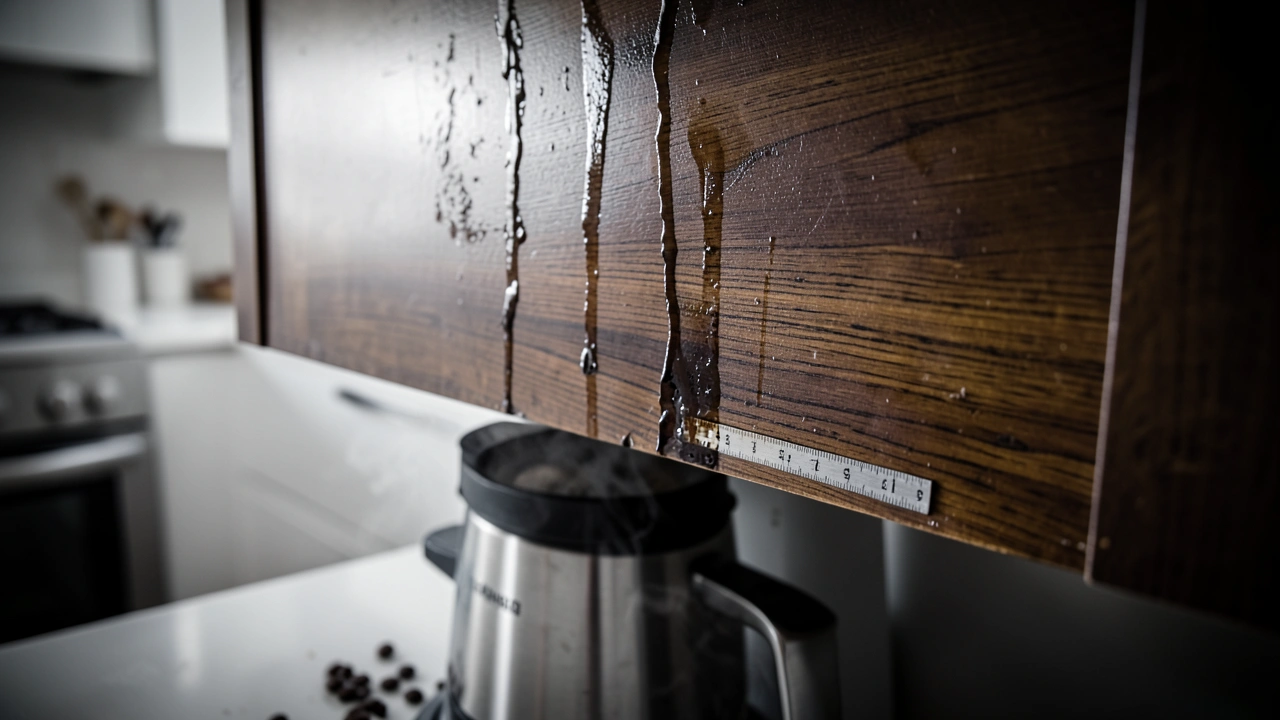
To truly understand Why Steam Damages Cabinets Above Coffee Makers, let’s look at some real examples and data. Seeing how this plays out in actual homes helps. It also shows how common the problem is.
Understanding the numbers can emphasize why taking action is important. This helps people make informed decisions about protecting their kitchen investments.
Case Study 1: The Newlywed Kitchen
Sarah and Tom were excited about their new home, complete with a sleek coffee maker. They placed it on their beautiful granite countertop, directly under a row of white shaker cabinets. Within six months, they noticed a faint discoloration on the underside of the cabinets, almost like a shadow.
Then, the paint started to feel slightly tacky to the touch after brewing. They realized the steam from their daily coffee ritual was slowly causing damage. They hadn’t considered the steam’s impact when setting up their dream kitchen.
Case Study 2: The Rental Unit Challenge
A property manager for several rental units noticed recurring issues with cabinet damage above the coffee maker area in many of their kitchens. Tenants would report peeling paint and warped wood. The property manager estimated that replacing damaged cabinet sections cost them an average of $300 per unit every two years.
This was a significant expense, leading them to research preventative measures for future renovations and tenant education.
Statistics on Kitchen Cabinet Damage
According to a survey by a home improvement magazine, approximately 40% of homeowners reported experiencing some form of moisture damage to their kitchen cabinets. Of those, a significant portion cited steam from appliances like coffee makers or toasters as the primary culprit. Another study indicated that prolonged exposure to high humidity levels can reduce the lifespan of standard cabinet finishes by up to 20%.
Here’s a quick look at moisture impact:
| Moisture Level | Potential Impact on Cabinets |
|---|---|
| High Humidity (Consistent Steam) | Swelling, warping, paint peeling, finish degradation, wood rot (over time) |
| Moderate Humidity (Occasional Steam) | Subtle discoloration, slight tackiness, potential for long-term finish weakening |
| Low Humidity (Dry Air) | Minimal to no impact from moisture; potential for drying out and cracking in very dry environments |
Sample Scenario 1: The Busy Morning Routine
Imagine a busy parent who makes coffee every morning before rushing out. They use their coffee maker on a counter with cabinets directly above. They brew their coffee, grab their cup, and head out, often leaving the steam to dissipate on its own.
Over months and years, this continuous, short-duration exposure to steam from the coffee maker causes the underside of the cabinets to gradually absorb moisture. The paint starts to dull, and a slight puffiness might appear.
Sample Scenario 2: The Weekend Coffee Lover
Consider someone who loves to make elaborate coffee drinks on weekend mornings. They might have their coffee maker in a more enclosed space or use a machine that produces more steam. They spend more time in the kitchen, and the steam lingers longer.
This prolonged exposure, combined with potentially less airflow in certain kitchen layouts, accelerates the damage. The cabinets might show more noticeable warping or even delamination of the finish much sooner than in the busy morning routine scenario.
Frequently Asked Questions
Question: What is the most common material for kitchen cabinets?
Answer: The most common materials for kitchen cabinets are wood products. This includes solid wood like oak or maple, and engineered wood like plywood, particleboard, or MDF (medium-density fiberboard).
Question: Can steam from a coffee maker really damage cabinets?
Answer: Yes, the hot, moist steam from a coffee maker can definitely damage cabinets, especially if they are located directly above the appliance. The moisture can cause swelling, warping, and degradation of the cabinet’s finish over time.
Question: How can I tell if my cabinets are being damaged by steam?
Answer: Signs of steam damage include discoloration, a sticky or tacky feel on the cabinet surface, peeling or bubbling paint, and warping or bending of the cabinet doors or panels. You might also notice white spots or rings.
Question: Is it better to use a solid wood or engineered wood cabinet to avoid steam damage?
Answer: While solid wood is generally more durable, both can be affected by steam. However, dense hardwoods are often more resistant to moisture absorption than particleboard or MDF, which can swell significantly when exposed to humidity.
Question: What is the easiest way to protect my cabinets from coffee maker steam?
Answer: The easiest ways are to strategically move your coffee maker so steam doesn’t hit the cabinets directly, or to ensure good kitchen ventilation by using an exhaust fan or opening a window when brewing.
Summary
Steam from coffee makers poses a real threat to kitchen cabinets by introducing moisture. This humidity causes materials to swell, warp, and finishes to break down. Protecting your cabinets involves simple steps like improving ventilation, placing appliances wisely, and applying protective coatings.
Take action to keep your kitchen looking great for years to come.

Leave a Reply