
Grease on kitchen cabinets can feel like a sticky, stubborn mess. For many people just starting out with home cleaning, figuring out How to Remove Grease Buildup from Kitchen Cabinets can seem tricky. You might worry about damaging your cabinets or using the wrong cleaners.
Don’t stress! We’ve got a super simple, step-by-step plan that makes getting them clean again easy. Stick around, and we’ll show you exactly how to tackle that greasy film and make your cabinets shine like new.
Easy Ways to Clean Greasy Kitchen Cabinets
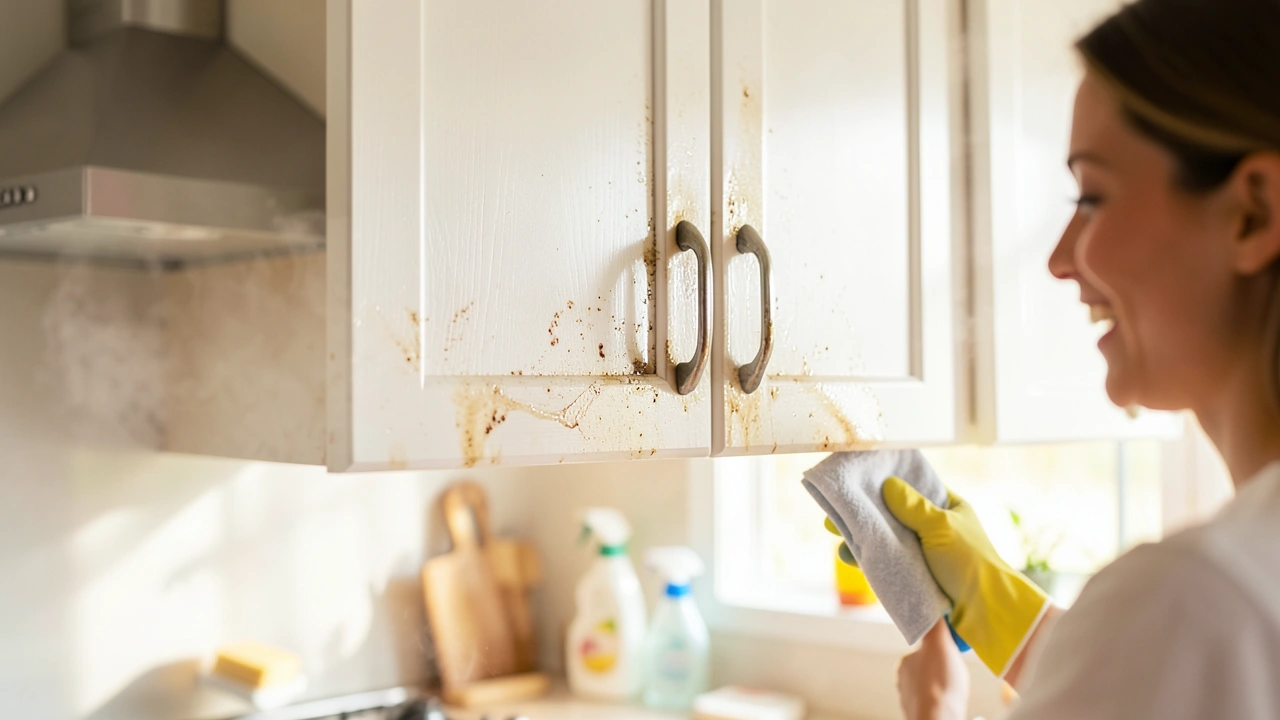
This section will walk you through the most effective and gentle methods for tackling grease accumulation on your kitchen cabinets. We’ll cover everything from common household items to specialized cleaners, explaining why they work and how to use them safely. Our goal is to help you restore the beauty of your cabinets without causing any harm, making the process clear and achievable for everyone.
Understanding Grease Buildup
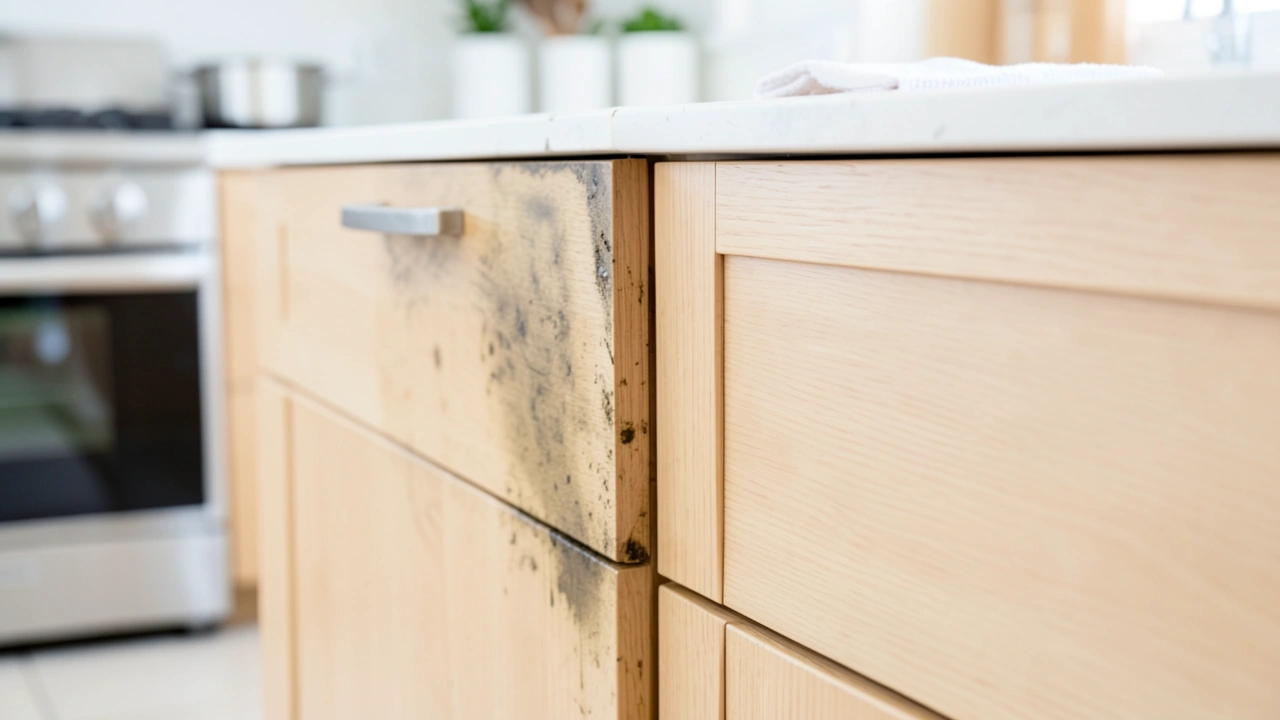
Grease buildup on kitchen cabinets happens because cooking releases tiny oil particles into the air. These particles float around and settle on surfaces, including your cabinets. Over time, especially in a busy kitchen, these particles combine with dust and other airborne grime to form a sticky, yellowish layer.
This sticky film is often hard to see at first, but it gradually makes your cabinets look dull and feel unpleasant to touch. The heat from cooking can also make the grease bake onto the surface, making it harder to remove. Different cabinet materials might react differently to grease, but the basic principle of its formation is the same across the board.
Why Grease Sticking is a Problem
When grease sticks to cabinets, it not only looks bad but can also attract more dirt and dust. This can make your kitchen feel less clean overall. If left too long, the grease can start to break down the finish of some cabinets, causing permanent damage or discoloration.
This is why it’s important to clean it off regularly.
The challenge for many is knowing the best way to lift this sticky layer without making a bigger mess or stripping the cabinet’s protective coating. Some cleaning products can be too harsh and might remove the paint or wood finish, leaving you with a bigger problem than you started with. So, finding that balance between effective cleaning and gentle care is key.
The Importance of the Right Cleaner
Choosing the right cleaning solution is super important. You want something that can break down the greasy film without harming your cabinet’s finish. Harsh chemicals can strip away the sealant or even the paint, causing damage that’s hard to fix.
On the other hand, cleaners that are too mild might not cut through the grease effectively, leaving you scrubbing endlessly.
A good cleaner will be able to emulsify the grease, which means it breaks the oil into tiny droplets that can then be easily wiped away with water. This process helps to lift the grease off the surface rather than just spreading it around. We’ll explore some common household ingredients and commercial products that do this job well.
Gentle Cleaning Solutions for Kitchen Cabinets
Here, we will explore a variety of cleaning solutions that are effective against grease but gentle on your kitchen cabinets. We’ll cover simple, everyday items you likely already have at home, as well as some recommended commercial products. The aim is to provide options that work for different cabinet materials and levels of grease buildup, ensuring you can choose the best fit for your needs.
Dish Soap: Your First Line of Defense
Dish soap is fantastic for cutting through grease because it’s designed to break down oils from food. It’s mild enough for most cabinet finishes, making it a go-to for everyday grease. You just need a little bit mixed with warm water.
Using dish soap is as simple as it gets. Mix a few drops of liquid dish soap into a bucket of warm water. Dip a soft cloth or sponge into the soapy water, wring it out well so it’s just damp, not dripping.
Then, wipe down the greasy areas of your cabinets. For tougher spots, let the soapy water sit for a minute before wiping.
- How it works: Dish soap contains surfactants. These are special molecules that have one end that likes water and another end that likes oil. The oil-loving end sticks to the grease on your cabinets, and the water-loving end allows the grease to be washed away with the water. This process is called emulsification.
- Application: For general cleaning, a solution of a few drops of dish soap in a spray bottle of water works well. Spray lightly on the cabinet surface and wipe with a clean, damp cloth. For stubborn grease, make a more concentrated solution in a bucket and use a sponge or cloth. Always rinse with a clean, damp cloth afterward to remove soap residue.
- Cabinet types: This method is generally safe for most cabinet materials, including wood, laminate, and painted surfaces. However, always test in an inconspicuous area first, especially for antique or very delicate finishes. Avoid soaking the cabinets, as excessive moisture can damage wood.
Vinegar: A Natural Degreaser
White vinegar is another excellent natural degreaser. Its acidity helps to break down the sticky grease layer. Like dish soap, it’s usually safe for most cabinet finishes when diluted properly.
Mixing vinegar with water creates a powerful yet gentle cleaning spray. A common ratio is one part white vinegar to one part water. You can then spray this mixture onto the cabinets, let it sit for a short while, and wipe clean.
It’s very effective at cutting through the grime that dish soap might leave behind.
Vinegar’s acidity is its secret weapon against grease. It can help to break the chemical bonds that hold the grease to your cabinet surface. This makes the grease easier to lift and wipe away.
Plus, vinegar is inexpensive and readily available in most homes.
When using vinegar, it’s important to dilute it. Full-strength vinegar can be too harsh for some cabinet finishes. After cleaning, you might want to wipe the cabinets down with a plain damp cloth to remove any lingering vinegar smell and residue.
Most people find the smell dissipates quickly once dry.
- How it works: Vinegar is an acid (acetic acid). Acids are great at breaking down alkaline substances, and grease often has alkaline properties. The acid in vinegar helps to dissolve the fatty acids in the grease, making it easier to lift from the cabinet surface. It also has mild disinfectant properties.
- Application: Mix equal parts white vinegar and water in a spray bottle. Lightly mist the affected areas of the cabinets. Allow it to sit for a few minutes to work on the grease. Wipe clean with a soft, damp cloth. For very tough spots, you can use a slightly stronger concentration, but always test first.
- Cabinet types: Vinegar is generally safe for most finished wood, laminate, and painted cabinets. However, it is not recommended for unsealed wood, natural stone countertops, or certain metal finishes, as the acid can cause etching or discoloration. Always test on a small, hidden area.
Baking Soda Paste: For Stubborn Spots
For areas with really tough, caked-on grease, a paste made from baking soda and water can be a lifesaver. Baking soda is a mild abrasive that can help scrub away grime without scratching most surfaces.
To make the paste, mix baking soda with a little bit of water until it forms a thick, spreadable consistency. Apply this paste directly to the greasy spots. Let it sit for about 10-15 minutes to soften the grease.
Then, gently rub the area with a soft cloth or sponge. The mild abrasive action of the baking soda helps lift the grime.
After scrubbing, wipe away the paste with a clean, damp cloth. Make sure to get all the baking soda residue off. This paste is especially useful for areas around the stove or cooking surfaces where grease tends to build up the most.
It provides a bit of scrubbing power without being too harsh.
The gentle abrasive quality of baking soda is what makes it so effective. It works by physically scrubbing away the stuck-on grease particles. When mixed with water to form a paste, it creates a controlled abrasion that can lift grime without damaging the cabinet finish.
It’s a great option when simpler methods aren’t quite enough.
- How it works: Baking soda is a mild alkali and a gentle abrasive. When mixed with water, it forms a paste that can be applied to grease. The fine particles of baking soda gently scrub away the grease, while its alkaline nature can help neutralize and break down some types of grease.
- Application: Mix about 3 parts baking soda with 1 part water to form a paste. Apply the paste directly to the stubborn greasy spots. Let it sit for 10-15 minutes. Gently scrub the area with a soft cloth or non-abrasive sponge. Wipe clean with a damp cloth and dry thoroughly.
- Cabinet types: This paste is safe for most sealed cabinet surfaces, including wood, laminate, and painted finishes. However, due to its abrasive nature, it should be used with caution on very delicate or high-gloss finishes. Always test in an inconspicuous spot first. Avoid using abrasive scrubbers with the paste.
Commercial Cabinet Cleaners
If you prefer to use products made specifically for cabinets, there are many excellent commercial degreasers available. Look for ones labeled as safe for kitchen cabinets or multi-surface cleaners that specifically mention grease removal.
When choosing a commercial cleaner, read the label carefully. Make sure it’s suitable for your cabinet’s material (wood, laminate, painted, etc.). Some cleaners are all-purpose, while others are designed for specific types of surfaces or problems.
Always follow the instructions on the product packaging to ensure safe and effective use.
These cleaners often contain a blend of solvents and surfactants that are specifically formulated to break down grease and grime quickly and effectively. They can be a great time-saver for busy households. Many are available in convenient spray bottles, making application straightforward.
- How it works: Commercial degreasers are formulated with specific chemical agents, such as surfactants and solvents, that are designed to emulsify and dissolve grease. They are often more potent than household remedies, allowing them to cut through heavy buildup quickly.
- Application: Spray the cleaner directly onto the greasy areas. Allow it to sit for the time recommended on the product label (usually a few minutes). Wipe away the grease with a soft cloth. Rinse the surface with a clean, damp cloth to remove any product residue.
- Cabinet types: Product labels will specify which cabinet materials the cleaner is safe for. Always check this information to avoid damage. Some are designed for wood, others for laminate, and some are safe for a variety of surfaces. If you have stained wood cabinets, look for a cleaner that won’t strip the stain.
Step-by-Step Guide: Cleaning Your Cabinets
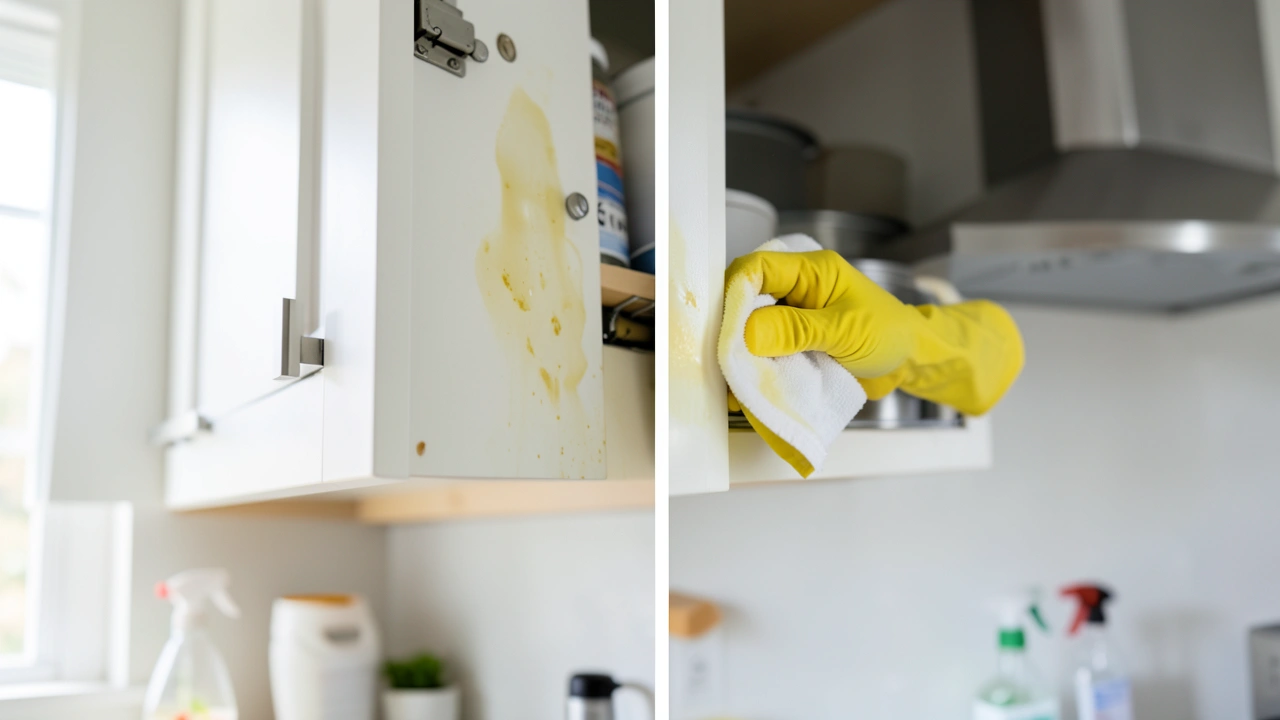
This guide breaks down the process of cleaning grease from your kitchen cabinets into simple, manageable steps. We’ll cover preparation, cleaning, and finishing touches, ensuring a smooth and effective experience from start to finish. Following these steps will help you achieve sparkling clean cabinets with minimal effort.
Step 1: Prepare Your Workspace
Before you start cleaning, it’s a good idea to clear the counters around your cabinets. This gives you plenty of room to work and protects your items from any drips or cleaning solutions. You might also want to lay down an old towel or newspaper on the counter below the cabinets you’re cleaning.
This simple preparation step prevents accidental spills from staining your countertops or getting on items you’ve left out. It also makes cleanup of the cleaning process itself much easier. Having a clear space makes the whole task feel less overwhelming and more organized.
Step 2: Choose Your Cleaning Solution
Based on the level of grease and your cabinet material, select the best cleaning solution from the options we’ve discussed. For light grease, dish soap and water might be enough. For tougher spots, consider vinegar or a baking soda paste.
If you’re using a commercial cleaner, make sure it’s suitable for your cabinets.
Remember to always test your chosen cleaner on a small, hidden area of the cabinet first. This is crucial to ensure it doesn’t damage or discolor the finish. Wait a few minutes to see if there are any adverse reactions before applying it to the main areas.
Step 3: Apply the Cleaner
For most solutions, you’ll want to apply them using a soft cloth or sponge. Dampen the cloth or sponge with your chosen cleaner and wring it out thoroughly. You want the cloth to be damp, not soaking wet.
This prevents excess moisture from damaging the cabinets, especially if they are made of wood.
Gently wipe down the cabinet doors and drawer fronts, focusing on the areas with grease buildup. For spray solutions, mist them lightly onto the cloth or directly onto the cabinet surface, then wipe. Avoid saturating the cabinets with any liquid.
Step 4: Wipe Away the Grease
As you wipe, you should see the grease starting to lift away. You might need to rinse your cloth and reapply cleaner a few times, especially for heavily soiled cabinets. Use a clean part of the cloth or a fresh cloth as needed to pick up the loosened grease.
Work in small sections. This way, you can ensure you’re effectively removing the grease before it has a chance to dry back onto the surface. For areas with thick grease, you might need to gently scrub with the cloth or a soft brush.
Be careful not to scrub too hard, which could damage the finish.
Step 5: Rinse and Dry
Once you’ve removed the grease, it’s important to rinse the cabinets. Use a separate clean cloth dampened with plain water. Wipe down all the areas you just cleaned to remove any leftover cleaner residue.
This step is important for preventing streaks and buildup from the cleaning products themselves.
After rinsing, immediately dry the cabinets with a clean, dry, soft cloth. This is especially critical for wood cabinets to prevent water damage or warping. Buffing them dry also helps to restore their shine and prevents water spots.
A microfiber cloth works very well for this purpose.
Step 6: Inspect and Repeat if Necessary
Take a look at your cabinets. If you see any remaining spots of grease or dullness, you may need to repeat the cleaning process for those specific areas. Sometimes, a second pass is needed for heavily soiled cabinets.
For very stubborn spots, you might try the baking soda paste method or a slightly stronger commercial cleaner, always remembering to test first. Consistent, gentle cleaning is often more effective than one aggressive attempt.
Maintaining Clean Kitchen Cabinets
Keeping your kitchen cabinets clean after you’ve tackled the grease buildup is all about regular, simple maintenance. These habits will prevent heavy grease accumulation in the future, making your cleaning tasks much easier and keeping your kitchen looking great. We’ll cover quick cleaning routines and tips for everyday prevention.
Daily Wipes
After cooking, take a moment to wipe down the cabinet fronts nearest your stove and countertops. A quick wipe with a damp cloth, maybe with a tiny bit of dish soap if needed, can remove fresh grease before it hardens.
This simple habit takes only a minute or two but makes a huge difference. It stops grease from building up in the first place. Think of it as a little bit of care after each meal that saves you a lot of scrubbing later.
Weekly Check-Up
Once a week, give all your cabinets a more thorough wipe-down. Use your preferred gentle cleaner (like the dish soap and water mix) to go over all the surfaces. This regular cleaning prevents minor spots from becoming major problems.
Pay special attention to high-traffic areas or spots that tend to get more splatters. This consistent cleaning schedule keeps your cabinets looking their best and makes deep cleaning sessions much less frequent and easier.
Protecting Your Cabinet Finish
Be mindful of what you use to clean. Always opt for soft cloths and gentle cleaners. Avoid abrasive sponges, steel wool, or harsh chemical cleaners that can scratch or dull your cabinet finish.
If you’re unsure, always test a cleaner in an inconspicuous spot.
Using the right tools and products ensures that your cleaning efforts not only remove grease but also preserve the beauty and longevity of your cabinets. A little care goes a long way in protecting your investment in your kitchen.
Frequently Asked Questions
Question: How often should I clean grease from my kitchen cabinets?
Answer: For best results, aim to wipe down cabinets nearest the stove daily after cooking. A more thorough cleaning of all cabinets once a week can prevent heavy buildup. If you notice grease spots, clean them as soon as possible.
Question: Can I use furniture polish on greasy cabinets?
Answer: Furniture polish is generally not recommended for cleaning grease from kitchen cabinets. It can create a slippery surface and attract more dust and dirt, making the problem worse. It’s better to use a degreasing cleaner.
Question: What should I do if the grease has damaged the cabinet finish?
Answer: If the grease has caused discoloration or damage to the finish, it might be difficult to remove with simple cleaning. You may need to consult a professional cabinet refinisher or look into touch-up kits specific to your cabinet’s material and color.
Question: Are homemade cleaners always safe for cabinets?
Answer: While many homemade cleaners like diluted vinegar or dish soap are safe, it’s always important to test them on a small, hidden area first. Some cabinet finishes are more sensitive than others, and even natural ingredients can cause issues if used improperly or at high concentrations.
Question: How can I prevent grease buildup in the first place?
Answer: Using your kitchen exhaust fan while cooking helps significantly by capturing airborne grease. Wiping down cabinets regularly, especially after cooking, is also a key preventative measure. Covering pans can reduce splatters.
Summary
Getting rid of grease on kitchen cabinets is manageable with the right approach. Simple solutions like dish soap, vinegar, or baking soda paste work well for most messes. Always test cleaners first and dry cabinets thoroughly after cleaning.
Regular quick wipes prevent tough buildup, keeping your cabinets looking fresh and clean.

Leave a Reply