
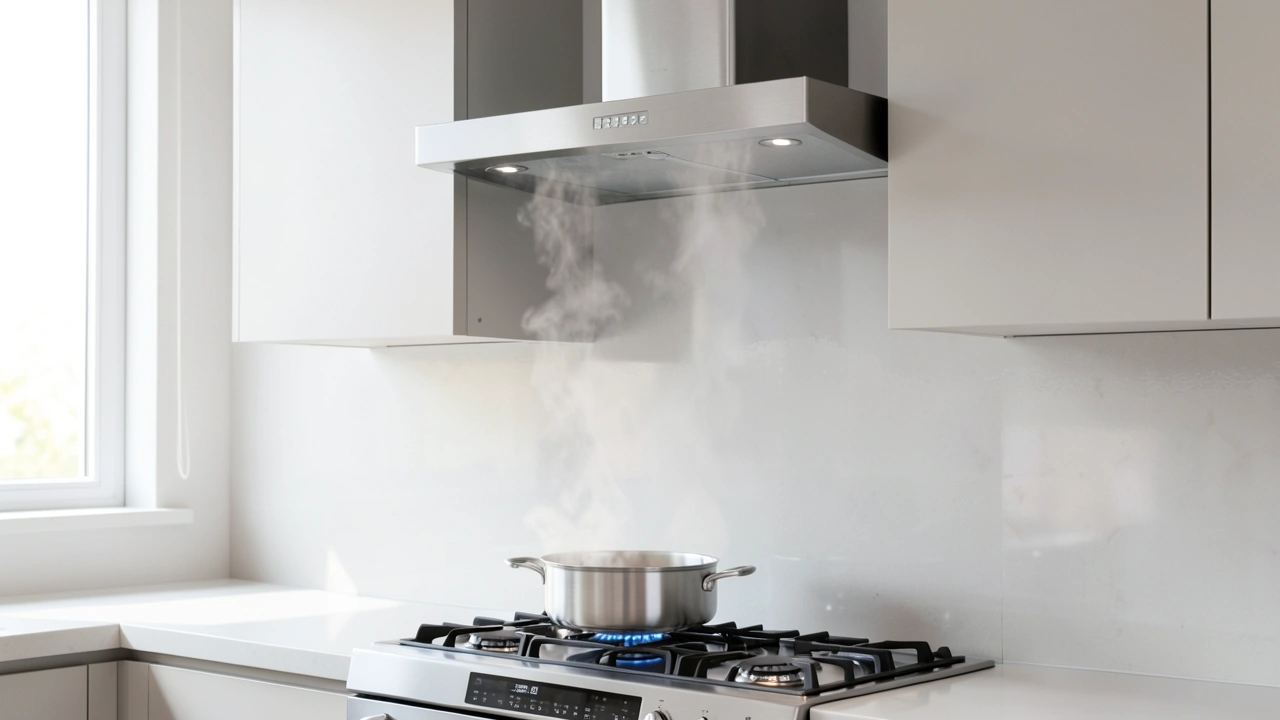
Steam from cooking can make your kitchen cabinets look sad. Many people wonder How to Protect Kitchen Cabinets from Steam Damage because it’s a common problem. It might seem tricky to keep them looking good, but don’t worry!
We’ll walk through simple steps to help. This guide will show you easy ways to save your cabinets from steam.
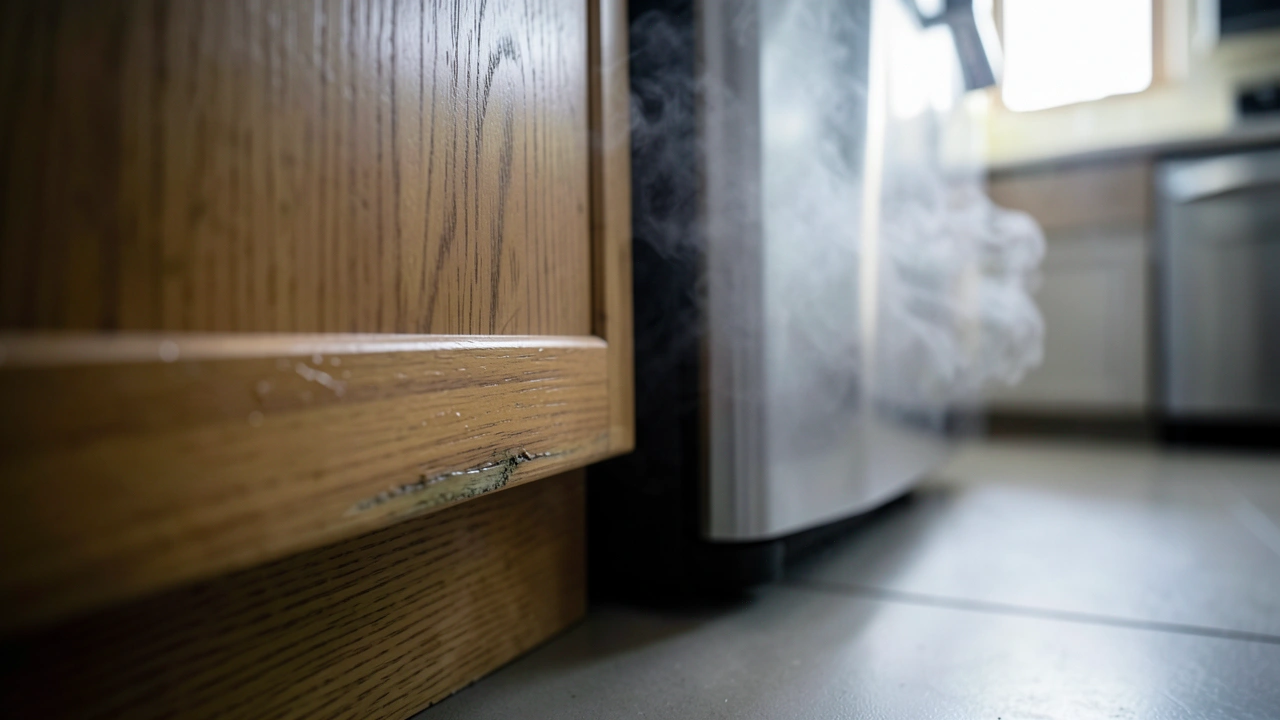
Understanding Steam’s Effect on Cabinets
Steam is a common issue in kitchens, especially during cooking. When water boils or simmers, it turns into steam. This steam rises and can reach your cabinet doors and drawers.
Over time, repeated exposure to steam can cause problems. It can make the finish on your cabinets fade or peel. It can also warp the wood.
For many, this is a confusing problem because it’s not always obvious when or how the damage happens. You might not see the effects right away. It’s a slow process.
This makes it hard for beginners to know what to do before it’s too late. But with the right tips, you can stop steam before it causes harm.
Let’s explore how steam affects different cabinet materials. We will also look at the signs of this damage. Knowing what to look for helps you act fast.
This section will help you see the problem clearly. You’ll learn to spot the early signs so you can fix them.
How Steam Affects Cabinet Finishes
Cabinet finishes are designed to protect the wood underneath. They also make the cabinets look nice. Common finishes include paint, varnish, and laminate.
Steam is basically hot water vapor. When this hot, moist air touches a cabinet surface, it can start to break down these protective layers.
Paint finishes can become soft and sticky when exposed to a lot of steam. This can lead to peeling or bubbling. Varnish, which is a clear protective coating, can also be affected.
Steam can cause it to become cloudy or discolored. Laminate, which is a thin layer of plastic or paper bonded to particleboard, can delaminate.
This means the layers start to separate. This is often seen as lifting or bubbling at the edges. The heat from the steam can also weaken the adhesive holding the laminate in place.
This damage can make your cabinets look old and worn out much faster than they should.
Signs of Steam Damage
Spotting steam damage early is key to fixing it. One of the first signs you might notice is a change in the cabinet’s surface. Look for areas that appear dull or faded.
This is especially true for cabinets near the stove or dishwasher, where steam is most common.
You might also see small bubbles forming under the finish. This is often a sign that moisture has gotten trapped. Peeling paint or veneer is another clear indicator.
If you run your hand over the cabinet door and feel a rough or uneven surface, it could be damage from steam.
Warping is also a concern. If cabinet doors or drawers no longer close properly, or if they look bent, steam could be the culprit. This happens when the wood absorbs moisture and expands unevenly.
Checking these areas regularly can help you catch problems before they get worse.
Cabinet Materials and Steam Resistance
Different cabinet materials react differently to steam. Solid wood cabinets, like oak or maple, are generally more durable. They can withstand some steam.
However, even solid wood can warp or swell if exposed to too much moisture for too long.
Medium-density fiberboard (MDF) and particleboard cabinets are more at risk. These materials are made of wood fibers or chips glued together. They absorb moisture much more easily than solid wood.
When they get wet, they swell and can lose their shape permanently.
Laminate or thermofoil cabinets can also suffer. The edges and corners are often the weakest points. Steam can seep in and cause the material to lift or delaminate, creating a visibly damaged area.
Understanding your cabinet’s material helps you know its weaknesses.
Simple Solutions for Protecting Cabinets
Keeping your kitchen cabinets safe from steam doesn’t have to be complicated. There are many easy things you can do. These steps involve simple habits and a few helpful tools.
They can make a big difference in how long your cabinets last and how good they look.
The goal is to reduce the amount of steam that reaches your cabinets. It’s also about making sure any steam that does get there doesn’t cause harm. We will cover ways to block steam and ways to remove it from the air.
These tips are designed for anyone to follow, even if you’re new to home maintenance.
Let’s get started with some practical ideas. These methods are effective and don’t cost a lot of money. You’ll find that taking a few small steps can go a long way.
Ventilation is Your First Defense
Good airflow is super important in preventing steam damage. When you cook, especially things that create a lot of steam, like boiling pasta or making soup, you need to get that steam out of the air. Opening a window is a great first step.
Even cracking a window just a little bit can help. It allows the moist air to escape your kitchen. This reduces the amount of steam that lingers and can settle on your cabinets.
If you have an exhaust fan above your stove, always use it. Make sure it’s vented to the outside.
Exhaust fans pull the steam and cooking smells directly out of your kitchen. This is much better than fans that just recirculate the air. Make sure your fan is clean and working well.
Dust and grease buildup can make them less effective. Regularly cleaning the fan hood and filters helps a lot.
Using Your Range Hood Effectively
The range hood is a kitchen’s best friend when it comes to steam. It’s designed to capture smoke, grease, and steam rising from your stovetop. For it to work best, you need to turn it on before you start cooking.
This way, it’s already running when the steam starts to rise. Let it run for a few minutes after you finish cooking. This helps clear out any remaining moisture from the air.
Make sure the fan is set to a speed that’s appropriate for the amount of steam being produced. High-steam meals need a higher fan setting.
Remember that some range hoods just recirculate air through filters. These don’t remove moisture from the kitchen. They are better than nothing but not as effective as hoods that vent outside.
If yours recirculates, opening a window or using a separate vent fan is even more important.
Wiping Down Cabinets After Cooking
A simple, quick wipe-down can save your cabinets. After you finish cooking, take a soft, dry cloth and gently wipe down the cabinet doors and drawers nearest your stove. This removes any condensation that has formed.
You want to catch the moisture before it has a chance to soak into the finish or the wood. Don’t scrub hard, as this could damage the finish. A gentle wipe is all that’s needed.
If there’s a lot of condensation, you can use a slightly damp cloth, but make sure to dry it off completely right after.
This habit takes only a minute or two. It’s one of the most effective ways to protect your cabinets. Making this part of your cooking cleanup routine will really pay off.
It prevents moisture buildup that leads to damage over time.
Consider Cabinet Doors and Drawer Fronts
The parts of your cabinets that get the most steam exposure are often the doors and drawer fronts. These are the surfaces you see and touch most often. They are also the first lines of defense against moisture entering the cabinet box itself.
When steam hits these surfaces, it can cause the finish to break down. It can also cause the material itself, like laminate or wood veneer, to peel or warp. Protecting these areas is therefore a top priority in preventing steam damage.
Simple actions, like wiping them down or ensuring good ventilation, are crucial for these exposed parts. For cabinets that are particularly vulnerable, like those directly above or beside a steaming appliance, extra care might be needed. We will explore some ways to add extra protection later.
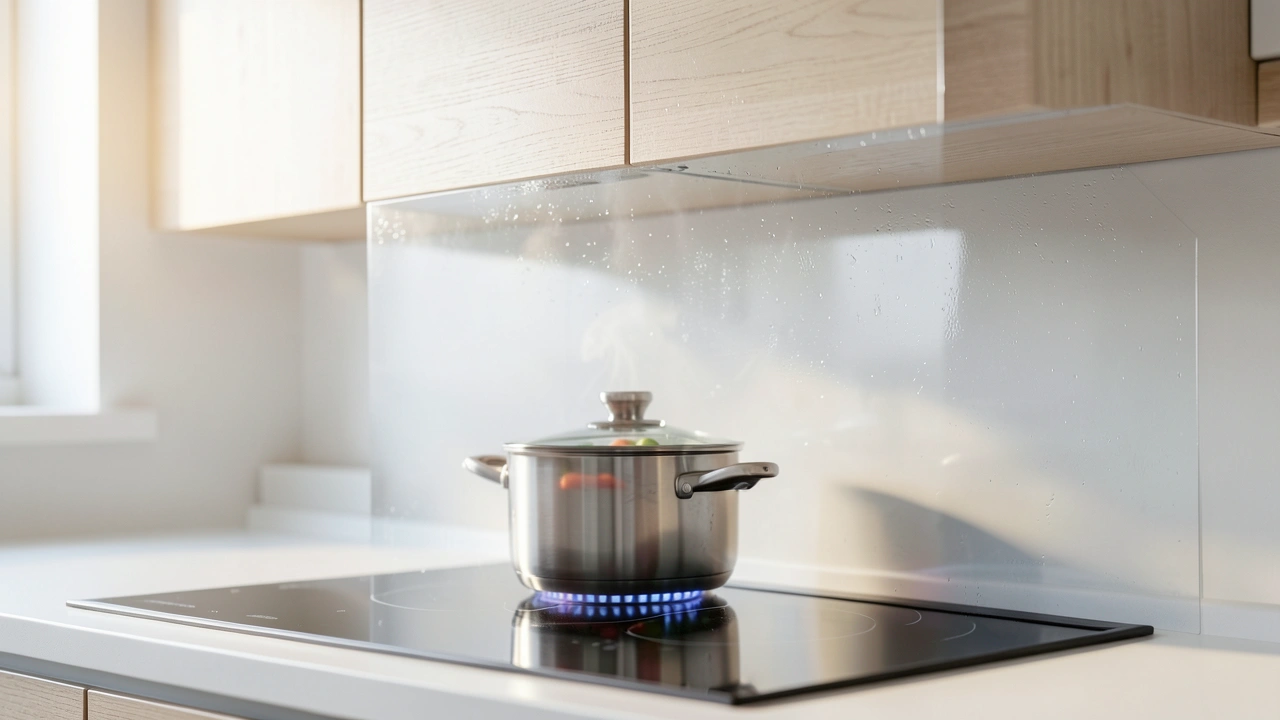
Advanced Protection Methods
Beyond basic ventilation and wiping, there are other methods to help protect your cabinets. These might involve a bit more effort or a small investment. They offer an extra layer of defense against persistent steam issues.
These methods are great for kitchens where steam is a constant problem, like in a busy household. They provide more robust solutions. You can choose the ones that best fit your kitchen and your comfort level with DIY projects.
Let’s look at some of these more advanced techniques. They can give you peace of mind knowing your cabinets are well-protected.
Applying a Protective Sealant
For solid wood or painted cabinets, applying a good quality sealant can offer extra protection. These sealants create a barrier on the surface. This barrier helps repel water and moisture.
You can find products specifically designed for kitchen cabinets. Look for water-based polyurethanes or clear acrylic sealers. These are durable and won’t yellow over time.
Always test the sealant in an inconspicuous area first to ensure it doesn’t alter the cabinet’s appearance.
Application usually involves cleaning the cabinets thoroughly. Then, you apply thin, even coats with a brush or foam applicator. Allow each coat to dry completely before applying the next.
This method adds a tough layer that steam has a hard time penetrating.
Using Cabinet Films and Covers
There are also specialized films and covers you can use. These are like clear protective shields for your cabinet doors and drawer fronts. They are particularly useful for high-traffic areas or cabinets that get a lot of direct steam exposure.
These films are usually self-adhesive and can be cut to fit any size. They are designed to be durable and easy to clean. You can peel them off when they get old or worn.
This protects the original finish underneath.
Some are even designed to be heat-resistant. This makes them ideal for cabinets near the stove. While they might slightly alter the sheen of your cabinets, the protection they offer can be well worth it.
This is a great option for a quick, effective shield.
Sealing Cabinet Edges and Joints
The edges and joints of your cabinets are often the most vulnerable spots. Moisture can seep into these areas more easily. This can cause swelling and delamination, especially on laminate or veneer cabinets.
You can use a clear silicone sealant or a wood glue to seal these areas. For visible edges, a clear caulk can be used. Apply it carefully in a thin bead along the seam.
Wipe away any excess immediately with a damp cloth.
This creates a watertight barrier. It prevents moisture from getting into the core of the cabinet material. Pay special attention to the areas around drawer fronts and the sides of cabinet doors.
This targeted approach can prevent significant damage.
Considering Cabinet Material Upgrades
If your cabinets are old and already showing signs of wear, you might consider upgrading. Some materials are naturally more resistant to moisture and steam.
For instance, stainless steel cabinets are very durable and easy to clean. They are also resistant to heat and moisture. However, they might not fit everyone’s kitchen style or budget.
Another option is choosing high-quality moisture-resistant wood or composite materials for new cabinets. When selecting new cabinets, ask about their resistance to humidity and steam. This foresight can save you a lot of trouble down the road.
Investing in better materials upfront can be a long-term solution.
Maintenance and Repair Tips
Even with the best protection, some maintenance is always needed. Small issues can sometimes arise. Knowing how to handle them can prevent them from becoming big problems.
Regular checks and simple fixes are important. This section will cover what to do if you notice small issues. It’s about keeping your cabinets in good shape over time.
These tips are easy to follow and help maintain the beauty of your kitchen.
We’ll talk about how to deal with minor damage. We’ll also cover how to keep your cabinets looking their best.
Dealing with Swollen Wood
If you notice a cabinet door or drawer is a bit swollen and doesn’t close smoothly, there are a few things you can try. First, ensure the area is completely dry. Use a fan to help circulate air around the swollen part.
Sometimes, just allowing the wood to dry out thoroughly can help it return to its original shape. If the swelling is minor, you might be able to gently sand the edge that’s causing the sticking. Sand in the direction of the wood grain.
For more significant swelling, it might indicate that the wood has absorbed a lot of moisture. You may need to let it dry for an extended period. If the wood has permanently warped, you might need to consider replacing the affected panel.
However, most minor swelling can be resolved with patience and drying.
Repairing Chipped or Peeling Finishes
If you see small chips or peeling paint on your cabinets, you can often fix them. First, gently clean the area. Remove any loose paint or debris with a putty knife or fine-grit sandpaper.
For painted cabinets, you’ll need to touch up the paint. Use a good quality primer to cover the damaged spot. Once the primer is dry, apply a matching paint color.
Use a small artist’s brush for precision, especially on detailed areas.
For wood veneer or laminate, you might need special wood filler or adhesive. If the veneer is lifting, you can try applying wood glue underneath and then pressing it down with a damp cloth and a heavy object. Allow it to dry completely.
Small repairs keep your cabinets looking fresh and protected.
When to Seek Professional Help
While many small issues can be fixed DIY, some problems are best left to the pros. If you notice widespread peeling, significant warping, or extensive water damage, it might be time to call a professional.
Cabinet makers or refinishers have the tools and expertise to handle major repairs. They can often repair or replace damaged panels. They can also professionally refinish entire sets of cabinets, giving them a like-new appearance.
If you’re unsure about how to tackle a repair, it’s always better to ask for help. A professional can assess the damage and provide the best solution. This can save you time and prevent further damage.
Don’t hesitate to seek expert advice for serious issues.
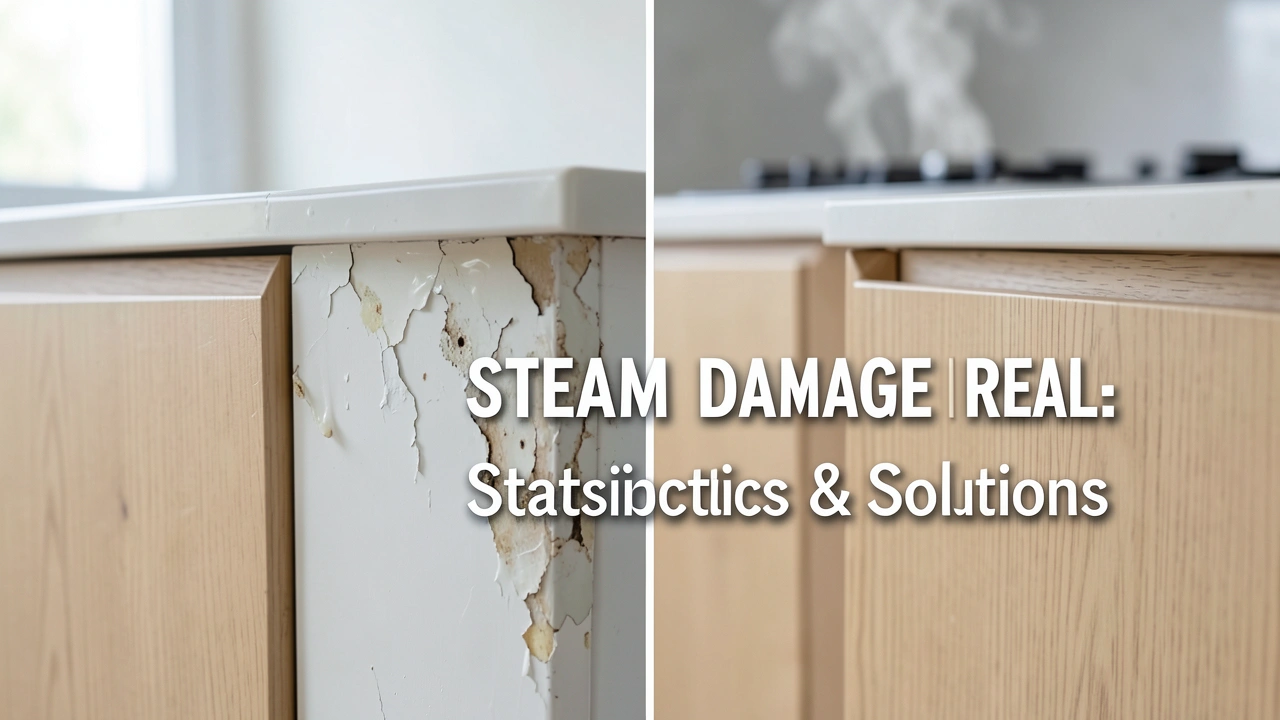
Real-Life Scenarios and Statistics
Seeing how others have dealt with steam damage can be helpful. It shows the real impact and the effectiveness of different solutions. We can also look at some numbers to understand the scope of the problem.
These examples and facts help illustrate why protecting cabinets is so important. They provide practical context for the advice given in this guide. It’s good to know what works in everyday kitchens.
Let’s explore some of these scenarios and see what the numbers say.
Scenario 1: The Busy Family Kitchen
The Miller family has three young children and loves to cook. Their kitchen, with its open layout, means steam from the stove often drifts over to the cabinets. They started noticing the paint on the cabinet doors near the stove looking dull and slightly sticky.
They implemented a few simple changes: always turning on the range hood, opening a nearby window while cooking, and quickly wiping down the cabinets after each meal. Within a few weeks, they noticed the sticky feeling was gone, and the dullness stopped spreading. This shows how consistent, simple habits can work.
This proactive approach helped them avoid more serious damage like peeling or warping. They saved their cabinets with minimal effort.
Scenario 2: The Rental Apartment Kitchen
Sarah rented an apartment with older laminate cabinets. She enjoyed cooking but worried about damaging the cabinets. She couldn’t make permanent changes, so she looked for temporary solutions.
She bought clear, adhesive cabinet protector films. She carefully applied them to the cabinet doors and drawer fronts closest to the stove. These films acted as a barrier against the steam.
When she moved out, she easily peeled them off, leaving the cabinets in the same condition as when she moved in.
This was a great solution for renters who need to protect surfaces without making permanent alterations. It shows that creative solutions are available.
Statistics on Kitchen Appliance Usage and Steam
Kitchen appliances like stoves and dishwashers are primary sources of steam. A typical dishwasher cycle can release a significant amount of steam. For example, some studies suggest a dishwasher can release up to 1.5 liters of water vapor per cycle.
On average, people use their stovetops for cooking meals multiple times a week. If steam isn’t managed, this constant exposure adds up. Data from home maintenance surveys show that over 40% of homeowners report some level of cabinet wear and tear attributed to cooking moisture.
This highlights the widespread nature of the problem. Proactive protection is more effective than reactive repairs. These statistics emphasize the need for consistent steam management.
Example: Protecting New Cabinet Purchases
When the Chen family bought new kitchen cabinets, they wanted them to last. They chose a high-quality painted finish. Before even using their new stove extensively, they decided to apply a clear acrylic sealant to all the cabinet doors and drawer fronts.
They followed the sealant manufacturer’s instructions carefully, applying thin, even coats. This added a strong, protective layer. After a year of heavy cooking, their new cabinets still looked pristine.
There was no sign of dullness or moisture damage, even around the stove.
This proactive step protected their investment. It prevented damage from starting in the first place. It shows the benefit of protecting cabinets from day one.
Frequently Asked Questions
Question: How often should I wipe down my cabinets after cooking?
Answer: It’s a good idea to wipe down cabinets nearest your stove after each cooking session where steam is produced. A quick swipe with a dry cloth is usually enough to catch any condensation before it causes problems.
Question: Can steam damage cabinets made of solid wood?
Answer: Yes, even solid wood can be affected by steam. Prolonged exposure can cause the wood to swell, warp, or damage the finish. Consistent protection and ventilation are still important for solid wood cabinets.
Question: What is the best way to protect cabinets from a dishwasher’s steam?
Answer: Ensure your dishwasher is properly sealed and vented. If steam still escapes, consider adding a reflective insulation barrier behind the dishwasher or placing a small, heat-resistant mat on the cabinet fronts directly facing the steam vent.
Question: Can I use furniture polish to protect my cabinets from steam?
Answer: Most furniture polishes are not designed for steam protection. They may offer a temporary shine but don’t create a durable, water-repellent barrier. It’s better to use specific cabinet sealants or protective films.
Question: My cabinet doors look slightly warped. Can I fix this myself?
Answer: Minor warping might be improved by allowing the cabinet to dry completely and then gently sanding the sticking edges. However, significant warping often requires professional repair or panel replacement, as the wood may have permanently changed shape.
Wrap Up
Keeping your kitchen cabinets safe from steam is achievable with simple actions. Regular wiping, good ventilation, and using your range hood go a long way. For extra protection, consider sealants or films.
These steps help maintain their beauty and prevent damage.

Leave a Reply