
Keeping your kitchen sparkling clean can feel like a big job, especially when you’re just starting out. It’s easy to get overwhelmed by all the different chores and products. But don’t worry, figuring out How to Make Kitchen Cleaning Easier Long Term doesn’t have to be hard.
We’ll show you a simple way to get your kitchen clean and keep it that way without all the fuss. Get ready for some easy tips that will make a big difference!
Simple Steps for a Cleaner Kitchen
This section focuses on the foundational habits and quick actions that make a big difference in maintaining kitchen cleanliness daily. It’s all about building routines that prevent messes from becoming overwhelming. We’ll explore how small, consistent efforts can lead to a significantly easier cleaning experience over time, setting you up for success without feeling like a huge chore.
This approach aims to tackle the root of kitchen mess before it starts.
Daily Habits That Save Time
Creating a clean kitchen long term really comes down to what you do every single day. These small actions, done consistently, stop dirt and grime from building up. It means you won’t have to spend hours scrubbing later.
Think of it like watering a plant; a little bit each day keeps it healthy.
- Wipe Down Surfaces After Each Use: After you cook or prepare food, take a few seconds to wipe down your countertops and sink. This is one of the most important steps. It stops food bits and spills from hardening, which makes them much harder to clean later. A quick wipe with a damp cloth or a multipurpose cleaner is all it takes.
- Load the Dishwasher Promptly: Don’t let dirty dishes pile up in the sink. As soon as you finish eating or cooking, rinse off any large food scraps and put the dishes directly into the dishwasher. If you don’t have a dishwasher, wash them right away. This prevents smells and makes your sink area look tidier.
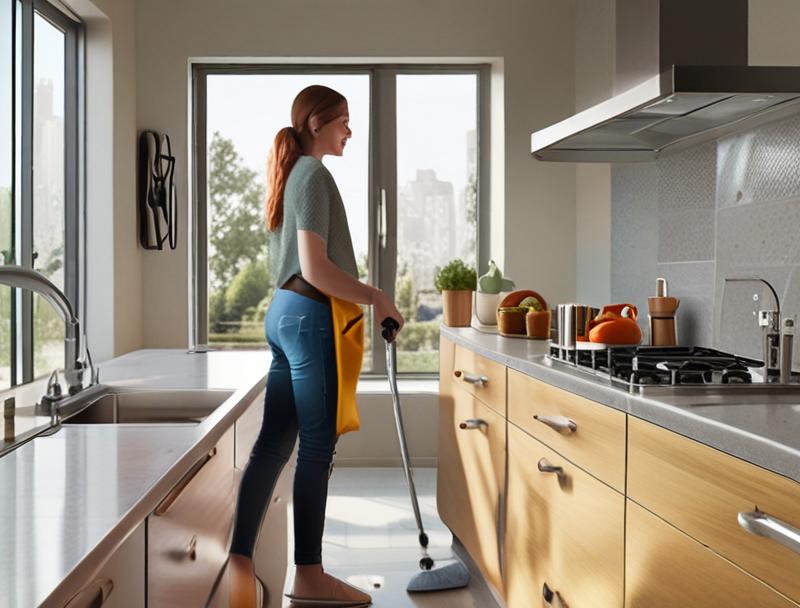
- Sweep or Vacuum the Floor Daily: Crumbs and dirt on the kitchen floor can attract pests and make the whole kitchen feel dirty. A quick sweep or vacuum at the end of the day is usually enough. Pay attention to areas where you do most of your cooking and eating.
These daily habits might seem small, but they add up. For example, a study by the National Sanitation Foundation found that kitchens can harbor millions of bacteria. By wiping down surfaces regularly, you significantly reduce the spread of germs.
Imagine the difference between wiping up a fresh spill versus scrubbing dried-on pasta sauce days later. The latter takes much more effort and time.
The Power of a Quick Rinse
Rinsing is a simple but powerful technique in kitchen cleaning. It’s about dealing with messes while they are still wet and easy to remove. This prevents them from becoming stubborn stains or sticky residues that require more effort and stronger cleaning agents.
Embracing the quick rinse can dramatically cut down on the need for deep cleaning sessions.
- Rinsing Pots and Pans Immediately: After you finish cooking, don’t let pots and pans sit with food stuck to them. Rinse them out under hot water as soon as possible. This loosens most food particles, making them much easier to wash by hand or in the dishwasher.
- Wiping Spills as They Happen: If you spill something, whether it’s water, juice, or a bit of sauce, grab a cloth and wipe it up right away. Dried spills are harder to remove and can leave marks. This habit prevents those annoying sticky spots.
- Rinsing the Sink After Use: After washing dishes or rinsing food, give your sink a quick rinse. This removes any lingering food particles or soap scum. A clean sink makes the whole kitchen look tidier and more inviting.
Consider the scenario where you’re making a smoothie. If you rinse the blender jar immediately after pouring your smoothie, it will likely just need a quick swish with soapy water. If you leave it for a few hours, the dried-on fruit and yogurt will be much harder to scrub off.
This simple act of rinsing saves you scrubbing time and effort.
Organizing Your Kitchen for Easy Cleaning
A well-organized kitchen makes cleaning much faster and more efficient. When everything has its place, it’s easier to put things away and clean surfaces without having to move clutter. This section explores how smart organization can be a key strategy in making kitchen cleaning easier long term.
Smart Storage Solutions
Having a place for everything is crucial. When items are out of place, they create clutter. Clutter makes cleaning harder because you have to move things before you can wipe down surfaces.
Investing in good storage can make a huge difference.
- Use Drawer Organizers: Utensils, gadgets, and even junk drawers can become messy quickly. Drawer organizers keep things separated and easy to find. This means less time digging around for what you need and more time for cleaning.
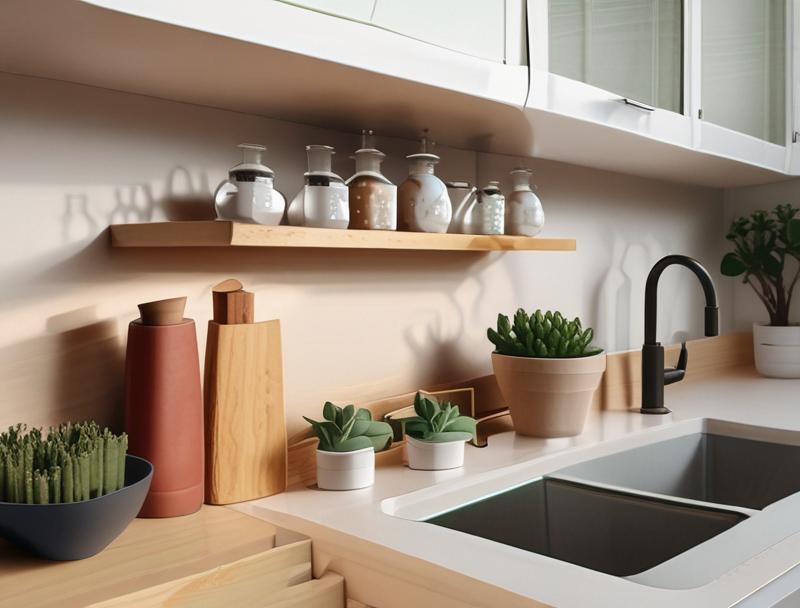
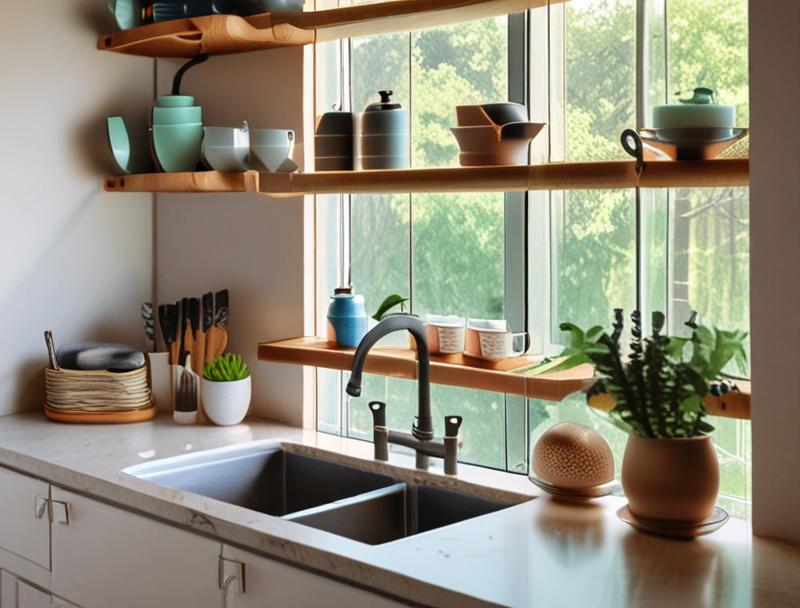
- Vertical Storage: Think about using your wall space. Shelves, magnetic knife strips, and hanging pot racks can free up counter space. Clear counters are much easier to wipe down.
- Clear Containers for Pantry Items: Storing dry goods like pasta, rice, and flour in clear, airtight containers not only keeps them fresh but also lets you see exactly what you have. This prevents buying duplicates and makes it easy to spot when a container needs a wipe-down.
A tidy pantry with clear containers can be visually appealing and functional. Imagine opening a cupboard and seeing all your ingredients neatly arranged versus a jumble of open bags and boxes. This visual order often translates to a more organized cleaning routine, as you’re not fighting with overflowing shelves.
Decluttering Your Way to Cleanliness
Getting rid of things you don’t need is a powerful way to simplify cleaning. Less stuff means less to move, less to clean around, and less to organize. It’s a fundamental step in making your kitchen easier to manage.
- Regularly Purge Unused Items: Set aside time every few months to go through your kitchen. Get rid of expired food, duplicate gadgets, and anything you haven’t used in over a year. This decluttering process frees up valuable space.
- Keep Countertops Clear: Aim to keep your countertops as clear as possible. Store appliances you don’t use daily in cabinets or a pantry. This gives you large, unobstructed surfaces to wipe down quickly.
- Manage Mail and Paperwork Elsewhere: The kitchen counter often becomes a dumping ground for mail and paperwork. Try to handle these items in a different area of your home to keep your kitchen surfaces clear for cooking and cleaning.
Think about your utensil drawer. If it’s overflowing with rarely used items, it becomes a chore just to find a spatula. By decluttering, you streamline your kitchen’s functionality.
A study by the University of California, Los Angeles (UCLA) found that clutter can increase stress levels. A less cluttered kitchen can therefore lead to a more pleasant cooking and cleaning experience.
Efficient Cleaning Techniques and Tools
Using the right techniques and tools can make a huge difference in how much time and effort kitchen cleaning takes. This section will guide you through smart methods and helpful items that simplify the process and lead to a consistently cleaner kitchen.
Choosing the Right Cleaning Supplies
Not all cleaning supplies are created equal, and having the right ones on hand means you’re prepared for most kitchen messes. Using effective products can reduce scrubbing time and achieve better results.
- All-Purpose Cleaner: A good quality all-purpose cleaner is your best friend. It can handle most everyday spills and grime on countertops, tables, and cabinet fronts. Look for one that is effective but also has a pleasant, mild scent.
- Degreaser: Kitchens, especially around the stove, can get greasy. A specialized degreaser cuts through grease much more effectively than a general cleaner. This is invaluable for cleaning stovetops, backsplashes, and range hoods.
- Microfiber Cloths: These are highly absorbent and effective at picking up dirt, dust, and bacteria. They also don’t leave lint behind, which is great for shining surfaces like stainless steel or glass. Have several on hand for different tasks.
- Dish Soap: Of course, good dish soap is essential for hand-washing dishes and also works well for general cleaning tasks when diluted.
Using a microfiber cloth with an all-purpose cleaner is a common and effective pairing. For example, when cleaning a sticky jam spill on a countertop, you would spray the area with the cleaner, let it sit for a moment to break down the stickiness, and then wipe it away with a microfiber cloth. The cloth absorbs the residue without needing excessive rubbing.
Mastering Speed Cleaning Tricks
Speed cleaning is about working smarter, not harder. These are quick methods that get the job done fast, especially when you’re short on time or just need a quick refresh.
- The Microwave Trick: To easily clean a dirty microwave, fill a microwave-safe bowl with water and a tablespoon of vinegar or lemon juice. Microwave it on high for 3-5 minutes until it steams up. Let it sit for a few minutes without opening the door. The steam will loosen stuck-on food, making it easy to wipe away with a cloth.
- Clean as You Go While Cooking: This is a crucial speed cleaning technique. While your pasta is boiling or your sauce is simmering, take that time to wash a few prep bowls, wipe down the counter where you chopped vegetables, or load the dishwasher. This prevents a big cleanup at the end.
- “Touch-Up” Zones: Designate a few minutes each day (or every other day) for a quick “touch-up.” This might involve wiping down the sink, quickly cleaning the stovetop, or sweeping the floor. These small, consistent efforts keep the kitchen from getting overwhelmingly dirty.
Here’s a sample scenario for cleaning as you go: You’re making stir-fry. You chop your vegetables, add them to a bowl, then immediately rinse your cutting board and knife. While the vegetables are stir-frying, you quickly wipe down the prep area.
This way, by the time dinner is ready, most of the prep work mess is already gone.
Preventing Future Messes
The ultimate goal of making kitchen cleaning easier long term is to prevent messes from happening in the first place. This section looks at strategies to minimize the amount of cleaning needed by addressing the sources of dirt and grime.
Kitchen Habits for a Cleaner Future
Certain habits, when adopted, can significantly reduce the frequency and intensity of cleaning tasks. These are proactive measures that maintain a cleaner environment with less effort.
- Use Splatter Guards: When frying or cooking with sauces, use a splatter guard on your pans. This traps grease and food particles, preventing them from splattering onto your stovetop and walls. This means less greasy buildup to clean later.
- Cover Food When Heating: Whether you’re reheating leftovers in the microwave or cooking on the stovetop, covering your food can prevent spills and splatters. This is a simple step that saves a lot of cleanup time and effort.
- Clean Up Spills Immediately: As mentioned before, this is so important it’s worth repeating. Wiping up spills as soon as they happen is one of the most effective ways to prevent tough stains and sticky residues. This takes seconds but saves minutes or even hours of scrubbing later.
Consider the impact of not using a splatter guard. You might end up with grease splatters all over your backsplash and stovetop. Cleaning these can take considerable time and require a strong degreaser.
Using a splatter guard, however, keeps the mess contained to the pan, and a quick wipe of the stovetop is usually all that’s needed.
The Role of Regular Maintenance
Regular maintenance means consistent, smaller cleaning tasks rather than infrequent, large overhauls. This approach prevents dirt and grime from accumulating to a point where they become difficult to manage.
- Weekly Wipe-Downs: Beyond daily quick cleans, aim for a more thorough wipe-down of surfaces once a week. This includes cleaning cabinet fronts, the exterior of appliances, and the inside of your microwave.
- Deep Cleaning Schedule: Every few months, plan for a deeper clean. This might involve cleaning out the refrigerator, washing down walls, or cleaning the oven. Breaking these bigger tasks into a schedule makes them less overwhelming.
- Appliance Care: Regularly clean your appliances according to the manufacturer’s instructions. For example, cleaning your dishwasher filter or descaling your coffee maker. Well-maintained appliances work better and are easier to keep clean.
A realistic statistic shows that homeowners who clean their kitchen thoroughly at least once a week spend approximately 30% less time on deep cleaning throughout the year compared to those who only clean sporadically. This highlights the effectiveness of consistent maintenance in simplifying long-term kitchen upkeep.
Frequently Asked Questions
Question: How often should I clean my kitchen?
Answer: It’s a good idea to do quick cleanups daily, like wiping counters and washing dishes. A more thorough clean, like scrubbing the sink and stovetop, can be done a few times a week. Deep cleaning tasks like cleaning the oven or refrigerator can be done monthly or quarterly.
Question: What are the best cleaning products for kitchens?
Answer: A good all-purpose cleaner, a degreaser, dish soap, and microfiber cloths are key. For tougher jobs, you might need a specialized cleaner, but starting with these basics covers most needs.
Question: My kitchen always feels sticky. What can I do?
Answer: Stickiness often comes from grease and food spills that aren’t cleaned up right away. Make sure to wipe down surfaces immediately after cooking or eating, and use a degreaser for any stubborn sticky spots. Using a splatter guard while cooking can also help prevent grease buildup.
Question: How can I make cleaning the floor easier?
Answer: Sweeping or vacuuming the floor daily will prevent crumbs and dirt from building up. For tougher spots, a quick spot clean with a mop and floor cleaner works well. Keeping the floor clear of clutter also makes it easier to get to every spot.
Question: Is it better to use natural or chemical cleaners?
Answer: Both can be effective. Natural cleaners like vinegar and baking soda are great for many tasks and are eco-friendly. Chemical cleaners can be more powerful for tough grease and grime.
It often comes down to personal preference and the specific cleaning challenge.
Conclusion
Learning How to Make Kitchen Cleaning Easier Long Term is all about building simple habits and using smart strategies. By wiping spills right away, staying organized, and doing small tasks often, you’ll spend less time scrubbing and more time enjoying your clean kitchen. Start with one or two tips and see how much easier it gets!