
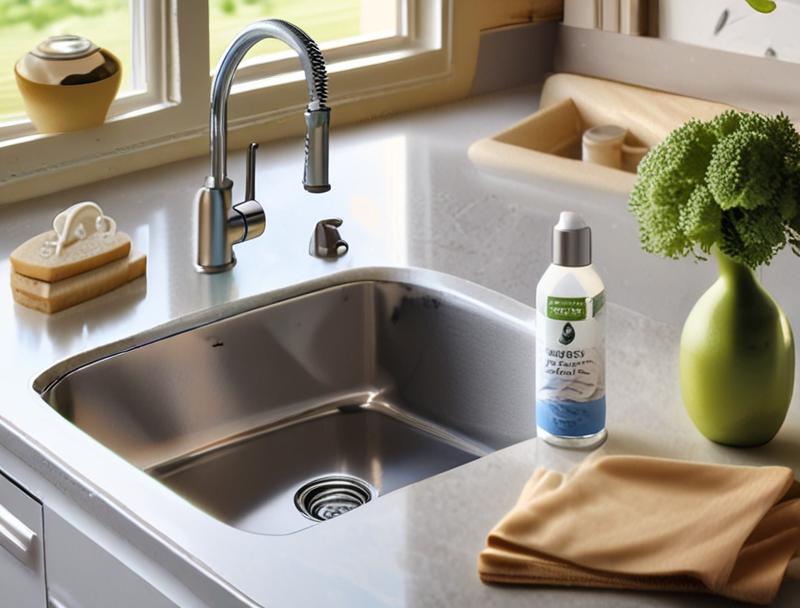
Cleaning the kitchen can seem like a big job, especially when you’re new to it. You want a sparkling clean space, but you also worry about scratching counters or ruining finishes. Figuring out How to Clean Kitchen Without Damaging Surfaces is super common because there are so many different materials in a kitchen!
Don’t stress, though. We’ve got a super simple, step-by-step guide that anyone can follow. Let’s get your kitchen looking great and keep it that way.
Keeping Your Kitchen Shining Safely
This section is all about making sure your kitchen is clean and bright without causing any harm to your precious surfaces. We’ll talk about why it’s important to know what you’re doing and what common mistakes people make. Learning the right way means your kitchen will look good for longer.
We want you to feel confident when you grab your cleaning supplies, knowing you’re using the best methods. This guide will help you tackle dirt and grime the safe way, making cleaning less of a chore and more of a success. Get ready to discover simple tricks that work.
Choosing the Right Cleaning Tools
Having the right tools makes a huge difference when you’re cleaning. You wouldn’t use a steel wool pad on a delicate glass stovetop, right? It’s all about picking things that are gentle but still effective.
Soft cloths, sponges, and brushes made from non-abrasive materials are your best friends. Using the wrong tool can lead to scratches, dull finishes, and even permanent damage, making your kitchen look worn out much faster. Investing a little time in getting the right gear saves you a lot of heartache later.
- Microfiber Cloths: These are amazing because they pick up dirt and grime without scratching. They are super soft and can be used on almost any surface in your kitchen.
Microfiber cloths are a game-changer for kitchen cleaning. They are made of very fine fibers that can trap dust, dirt, and even bacteria. Unlike paper towels that can leave lint behind, microfiber cloths leave surfaces streak-free and shiny.
You can use them dry for dusting or damp for wiping down counters and appliances. Plus, they are reusable, which is great for your wallet and the environment. Make sure to have a few handy for different tasks.
- Non-Scratch Sponges: Look for sponges that clearly state they are non-scratch. They are designed to be tough on grime but gentle on your surfaces.
When you need a bit more scrubbing power, a good non-scratch sponge is essential. These sponges have a softer side or are made from materials that won’t scrape or mar delicate finishes. They are perfect for tackling sticky messes on countertops, dried food on stovetops, or soap scum in the sink.
Always test a small, hidden area first if you’re unsure about how a sponge will perform on a particular material. This simple step can prevent a costly mistake.
- Soft Bristle Brushes: For getting into tight spots or scrubbing gently, soft bristle brushes are ideal.
Sometimes, a cloth or sponge just can’t reach into those nooks and crannies. That’s where a soft bristle brush comes in handy. These brushes are perfect for cleaning around faucets, in grout lines, or on textured surfaces where dirt can hide.
They offer just enough abrasion to lift stubborn dirt without scratching the material. Think of them as your detail brush for the kitchen. You can find them in various sizes and shapes to fit different needs.
Understanding Kitchen Surfaces and Their Needs
Every surface in your kitchen is different and needs special care. Countertops, cabinets, floors, and appliances all have unique materials that react differently to cleaning agents. Knowing what your surfaces are made of is the first step to cleaning them safely and effectively.
Using the wrong cleaner can discolor, etch, or weaken these materials, leading to expensive repairs or replacements. It’s like dressing differently for different weather; you use the right approach for the right situation.
Countertop Care: Granite, Laminate, and Stainless Steel
Countertops see a lot of action, from food prep to spills. They need careful cleaning. Granite is beautiful but can be damaged by harsh chemicals.
Laminate is durable but can scratch. Stainless steel looks sleek but can get streaky. Each type needs a specific touch to keep it looking its best without any damage.
We’ll explore how to handle these popular choices.
- Granite Countertops: These natural stones are porous and can stain if not sealed properly. Harsh cleaners can strip the sealant and etch the stone.
Granite countertops add a touch of elegance to any kitchen. To keep them looking their best, a gentle approach is key. For daily cleaning, a soft cloth with warm water and a pH-neutral cleaner is usually enough.
Avoid cleaners with ammonia, bleach, or acidic ingredients like vinegar or lemon juice, as these can break down the sealant that protects your granite. Regular sealing, typically once a year, is also important to maintain its stain resistance. A quick test to see if your granite needs sealing is to place a few drops of water on it; if the water beads up, the sealant is still good.
If it soaks in, it’s time to reseal.
- Laminate Countertops: These are made of layers of plastic fused together. While they are tough, they can be scratched by abrasive cleaners or sharp objects.
Laminate countertops are a popular choice because they are budget-friendly and come in many designs. They offer a good balance of durability and style. However, they are susceptible to scratches from knives or abrasive scouring pads.
For cleaning, mild dish soap and water work well. For tougher spots, a paste of baking soda and water can be used very gently. Never use abrasive cleaners or allow water to sit on the edges for too long, as this can cause the material to swell or peel.
- Stainless Steel Countertops: These give a modern look but show smudges and scratches easily. Cleaning them requires a specific technique.
Stainless steel countertops are loved for their modern, professional look. However, they are prone to fingerprints, water spots, and scratches. To clean them effectively without causing damage, always wipe in the direction of the grain.
Use a soft cloth and a mild detergent or a cleaner specifically designed for stainless steel. For polishing, a little bit of olive oil or mineral oil on a clean cloth can bring back the shine. Avoid steel wool or abrasive pads, which will definitely scratch the surface.
Cabinet and Drawer Care: Wood, Painted, and Laminate Finishes
Kitchen cabinets are the backbone of storage, and their finishes need specific attention. Whether you have solid wood, painted, or laminate cabinets, the cleaning method matters to avoid dulling their look or damaging the material. We’ll go over how to keep your cabinets looking fresh and new for years to come.
- Wood Cabinets: These can range from sealed hardwood to unfinished wood. Different types require different care to prevent drying, cracking, or discoloration.
Wood cabinets, especially those with natural finishes, can be beautiful. For sealed wood, a damp cloth with a mild soap solution is usually best for everyday spills. For tougher grease, a specialized wood cleaner or a solution of water and a tiny bit of dish soap can be used sparingly.
Always wipe dry immediately after cleaning. If you have unfinished or waxed wood, consult the manufacturer’s recommendations, as these often require specific wood polishes or oils to maintain their condition and prevent damage from moisture.
- Painted Cabinets: The type of paint and its finish (matte, satin, gloss) will dictate how you should clean them to avoid chipping or fading.
Painted kitchen cabinets can be stunning, but they require a gentle cleaning approach. For most painted surfaces, a soft cloth dampened with water and a mild, non-abrasive cleaner is sufficient. Avoid harsh chemicals, as they can break down the paint or its finish.
For stubborn marks, a paste of baking soda and water can be applied very gently. Always test any cleaner in an inconspicuous spot first to ensure it doesn’t damage the paint. Wiping them dry afterward will prevent water spots and streaks.
- Laminate and Thermofoil Cabinets: These are often made with a plastic-like coating that can be sensitive to heat and certain cleaners.
Laminate and thermofoil cabinets are popular for their affordability and ease of maintenance. However, their plastic coating can be sensitive. Avoid abrasive cleaners, scouring pads, and harsh solvents.
For cleaning, a soft cloth with warm water and a mild dish soap is usually perfect. For grease build-up, a degreaser designed for kitchens can be used cautiously, always wiping it off quickly. Be mindful of heat, as high temperatures can cause the laminate or foil to bubble or peel.
Appliance Cleaning: Stainless Steel, Enamel, and Glass Tops
Your kitchen appliances, from the refrigerator to the oven, get dirty from daily use. Cleaning them correctly keeps them working well and looking good. We’ll cover the common finishes to ensure you clean without causing harm.
- Stainless Steel Appliances: Similar to countertops, these require special care to avoid scratches and streaks.
Keeping stainless steel appliances looking their best involves more than just wiping them down. To prevent scratches, always use soft cloths, like microfiber, and wipe in the direction of the steel’s grain. For cleaning, a solution of equal parts water and white vinegar can work well, or a dedicated stainless steel cleaner.
After cleaning, many people use a small amount of mineral oil or a specialized polish on a clean cloth to buff out smudges and create a protective sheen. Avoid abrasive cleaners and steel wool at all costs.
- Enamel and Coated Appliances: These are often found on older refrigerators and ovens. They are durable but can chip or scratch.
Appliances with enamel or coated finishes are quite common and offer a durable surface. However, they are not invincible. To clean them, mild dish soap and warm water are typically the safest bet for everyday messes.
For baked-on food or tough stains, a paste of baking soda and water can be applied gently. Avoid abrasive scrubbers, steel wool, or harsh chemicals like oven cleaner on the exterior, as these can permanently damage the finish, causing dullness, scratches, or chips.
- Glass and Ceramic Cooktops: These sleek surfaces look great but are easily scratched and can be hard to clean if spills burn on.
Glass and ceramic cooktops offer a smooth, modern cooking experience. However, they require careful cleaning to maintain their appearance. For daily cleaning, a damp cloth with a mild cleaner is usually sufficient once the cooktop has cooled.
For burnt-on food, use a cooktop cleaner specifically designed for glass and ceramic surfaces, and a razor scraper held at a low angle to gently lift debris. Never use abrasive pads, scouring powders, or glass cleaners not meant for cooktops, as these can cause dullness and scratches.
Safe Cleaning Solutions for Different Surfaces
Now that we know about the different surfaces, let’s talk about what to use to clean them. Many common household items can be used safely and effectively, saving you money and avoiding harsh chemicals. The key is to use the right solution for the right job.
We’ll explore some simple, DIY cleaning recipes and discuss when to use commercial products.
DIY Cleaning Recipes
Making your own cleaning solutions is a great way to control the ingredients and save money. These recipes use common household items that are effective yet gentle on most kitchen surfaces. They are a fantastic alternative to store-bought cleaners, which can sometimes contain harsh chemicals that might damage your finishes.
- Vinegar and Water Solution: A classic all-purpose cleaner that is effective against grease and grime.
A simple mixture of equal parts white vinegar and water is a fantastic all-purpose cleaner. Vinegar is acidic, which helps break down grease, soap scum, and mineral deposits. It also has natural disinfectant properties, making it great for the kitchen.
Use this solution in a spray bottle. Spray it on surfaces like countertops (except natural stone), sinks, and the exterior of appliances. For best results, wipe with a clean, damp cloth and then dry the surface to prevent streaks, especially on stainless steel or glass.
- Baking Soda Paste: Excellent for scrubbing away tough, baked-on messes without scratching.
Baking soda is a mild abrasive that works wonders for tough cleaning jobs. To make a paste, mix baking soda with a small amount of water until it has a thick, spreadable consistency. This paste is perfect for scrubbing stubborn food residue on stovetops, oven interiors, or sinks.
Apply the paste, let it sit for a few minutes on tough spots, and then gently scrub with a soft cloth or sponge. Rinse thoroughly and wipe dry. It’s effective because it lifts grime without scratching sensitive surfaces.
- Dish Soap and Water: Your go-to for everyday grease and food spills.
Mild dish soap is designed to cut through grease and lift food particles, making it an excellent and safe cleaner for many kitchen surfaces. Mix a few drops of dish soap with warm water in a bucket or spray bottle. This solution is ideal for wiping down countertops, cabinet fronts, appliance exteriors, and even for a quick clean of your sink.
It’s gentle enough for most materials and effective enough for daily cleaning needs. Always rinse surfaces well with clean water afterward to remove any soap residue.
When to Use Commercial Cleaners
While DIY solutions are great, sometimes you need something more specialized. Commercial cleaners are formulated for specific tasks and materials, offering targeted cleaning power. It’s important to choose these wisely to avoid damaging your kitchen.
- Specialized Appliance Cleaners: For things like stainless steel polish or glass cooktop cleaners, commercial products are often best.
For appliances, especially stainless steel, specialized cleaners often provide the best results. Stainless steel polishes not only clean but also leave a protective, smudge-resistant layer that keeps your appliances looking shiny for longer. Similarly, glass cooktop cleaners are formulated to tackle burnt-on food and protect the delicate glass surface from scratches.
Always read the product label carefully and follow the instructions precisely to ensure you’re using the cleaner correctly for your specific appliance finish.
- Heavy-Duty Degreasers: For extremely greasy areas, a good degreaser can be a lifesaver.
When dealing with significant grease build-up, especially around the stovetop or vent hood, a heavy-duty degreaser can be very effective. These cleaners are specifically designed to break down tough grease and grime. However, they can be quite strong.
It’s crucial to use them in a well-ventilated area and wear gloves. Always test the degreaser on a small, hidden area first to ensure it doesn’t damage the finish of your cabinets or appliances. Rinse the area thoroughly after use.
Cleaning Different Floor Types: Tile, Vinyl, and Wood
Floors in the kitchen take a beating from dropped food, spills, and foot traffic. Keeping them clean without causing wear and tear is important for their longevity and appearance. Different flooring materials require distinct cleaning methods to prevent damage.
- Tile Floors: Ceramic and porcelain tiles are durable, but grout can be porous and stain easily.
Tile floors are a popular choice for kitchens due to their durability and water resistance. For regular cleaning, a mop with warm water and a pH-neutral floor cleaner is usually sufficient. Avoid using too much water, as excess moisture can seep into grout lines and potentially cause damage over time.
For stubborn grout stains, a paste of baking soda and water, scrubbed gently with a soft brush, can be effective. Always ensure your tiles are completely dry after cleaning to prevent slips and water spots.
- Vinyl and Linoleum Floors: These are resilient and easy to maintain with the right approach.
Vinyl and linoleum floors are known for their resilience and ease of maintenance, making them great for busy kitchens. For daily cleaning, a sweep or vacuum followed by a damp mop with warm water and a mild detergent is usually all that’s needed. Avoid using abrasive cleaners, ammonia-based products, or excessive water, as these can damage the finish or cause the flooring to lift over time.
Always check the manufacturer’s cleaning recommendations for specific care instructions.
- Sealed Wood Floors: Wood floors need moisture control and gentle cleaning to prevent damage.
If you have wood floors in your kitchen, they require the most careful cleaning. Always use a cleaner specifically designed for sealed hardwood floors. The key is to use as little moisture as possible.
A slightly damp mop is ideal, and it’s important to dry any standing water immediately. Avoid steam mops, as the heat and moisture can damage the wood and its finish. Regular sweeping or vacuuming with a soft brush attachment will help remove grit that can scratch the surface.
Tips for Preventing Damage While Cleaning
Preventing damage during cleaning is all about being mindful and using the right techniques. Little habits can make a big difference in keeping your kitchen looking great. We’ll share some key practices that help avoid common cleaning mishaps and keep your surfaces in top condition.
The Importance of Testing Cleaners
Before you go ahead and use any cleaning product, whether it’s homemade or store-bought, it’s a really good idea to test it first. This simple step can save you a lot of trouble.
- Test in an Inconspicuous Area: Always try a new cleaner on a small, hidden spot first.
This is probably the most important rule when it comes to cleaning any surface. Find a spot that isn’t usually seen, like the back corner of a countertop or the underside of a cabinet door. Apply a small amount of your chosen cleaner and let it sit for the recommended time, then wipe it off.
Check for any signs of discoloration, etching, or damage to the finish. If the spot looks good after testing, you can proceed with cleaning the rest of the surface with more confidence.
Wipe Spills Immediately
Kitchens are messy places, and spills happen. How quickly you deal with them makes a big difference.
- Act Fast on Spills: The longer a spill sits, the more likely it is to stain or damage the surface.
Whether it’s a drop of red wine, some cooking oil, or a splash of juice, it’s best to wipe it up right away. Many common kitchen spills can stain or etch surfaces if left to sit for too long. For example, acidic liquids like lemon juice or vinegar can damage natural stone if not cleaned up quickly.
Keeping a clean cloth or paper towel handy near your cooking area can make it easy to tackle spills as soon as they happen, preventing them from becoming a bigger problem.
Gentle Scrubbing Techniques
When you need to scrub, do it the right way to avoid damage.
- Use Soft Materials: Always use soft cloths, sponges, or brushes designed for gentle cleaning.
When scrubbing is needed, it’s essential to use the right tools. Avoid using steel wool, abrasive scrub pads, or stiff-bristled brushes on most kitchen surfaces. These can easily cause scratches, dull finishes, and remove protective coatings.
Opt for soft microfiber cloths, non-scratch sponges, or soft-bristled brushes. Apply gentle pressure and scrub in small circles or with the grain of the material. If a stain is particularly stubborn, try letting the cleaner soak in for a few minutes before scrubbing.
Rinse and Dry Thoroughly
Leaving cleaning product residue behind can cause issues.
- Remove All Residue: Always rinse surfaces well after cleaning and dry them completely.
After you’ve cleaned a surface, it’s vital to rinse away all traces of the cleaning solution. Leftover residue can attract dirt, leave streaks, or even damage the surface over time. Use a clean, damp cloth to wipe down the area again.
Following this with a dry cloth to thoroughly dry the surface prevents water spots and ensures a clean, shiny finish. This step is especially important for countertops, appliances, and sinks.
How to Clean Kitchen Without Damaging Surfaces: Practical Examples
Seeing how these principles work in real situations makes them easier to understand and apply. Let’s look at a few examples of cleaning common kitchen messes safely and effectively.
Scenario 1: Cleaning a Greasy Stovetop
Your stovetop is covered in grease splatter after cooking a meal. You want to clean it without scratching the glass or stainless steel finish.
- Cool Down: Make sure the stovetop is completely cool before you start.
- Apply Cleaner: For a glass top, use a specialized glass cooktop cleaner. For stainless steel, use a mild dish soap solution.
- Gentle Scrub: Use a non-scratch sponge to gently scrub the greasy areas. For tough spots, a baking soda paste can be applied carefully.
- Wipe and Rinse: Wipe away the grease and cleaner with a damp microfiber cloth.
- Dry and Buff: Dry the stovetop thoroughly with a clean, dry cloth. If it’s stainless steel, you can buff it with a little mineral oil for shine.
Scenario 2: Dealing with a Sticky Countertop Spill
You’ve discovered a sticky, dried-on spill on your granite countertop. You want to remove it without harming the stone or its sealant.
- Wipe Loose Debris: Gently scrape away any hardened residue with a plastic scraper or your fingernail.
- Use a pH-Neutral Cleaner: Spray a solution of warm water and a few drops of mild dish soap onto the spill.
- Let it Sit: Allow the solution to sit for a few minutes to soften the sticky mess.
- Wipe Gently: Use a soft, damp cloth to wipe away the dissolved spill. Avoid harsh scrubbing.
- Rinse and Dry: Rinse the area with a clean, damp cloth and then dry it thoroughly with a soft towel.
Scenario 3: Refreshing Painted Cabinet Doors
Your painted cabinet doors have a few smudges and fingerprints from daily use. You want to clean them without dulling the paint.
- Prepare Solution: Mix warm water with a very small amount of mild dish soap in a bowl.
- Dampen Cloth: Dip a soft microfiber cloth into the solution and wring it out well so it’s just damp, not wet.
- Wipe Gently: Carefully wipe down the cabinet doors, focusing on the smudged areas.
- Rinse (if needed): If there’s any soap residue, lightly wipe with a clean, damp cloth.
- Dry Completely: Use a dry, soft cloth to immediately dry the cabinet doors.
Frequently Asked Questions
Question: What is the best cleaner for general kitchen counter cleaning?
Answer: For most kitchen countertops, a solution of warm water and a few drops of mild dish soap is safe and effective for daily cleaning. For tougher jobs, a spray of equal parts white vinegar and water can work, but always test it on an inconspicuous spot first, especially if you have natural stone.
Question: Can I use abrasive cleaners on my stainless steel sink?
Answer: No, you should never use abrasive cleaners or steel wool on stainless steel sinks, as they will cause scratches that cannot be removed. Stick to soft cloths with mild dish soap or specialized stainless steel cleaners.
Question: How do I clean burnt-on food from my glass cooktop?
Answer: For burnt-on food on a glass cooktop, use a cleaner specifically designed for glass cooktops and a razor scraper held at a low angle to gently lift the debris. Always ensure the cooktop is cool first.
Question: Are DIY cleaners always safe for all kitchen surfaces?
Answer: While DIY cleaners are often gentler, it’s still important to test them on a small, hidden area of any surface before widespread use. Some surfaces, like natural stone or certain wood finishes, can be sensitive to even mild DIY solutions.
Question: How often should I seal my granite countertops?
Answer: Most granite countertops need to be sealed about once a year, but this can vary depending on how much they are used. A simple water test—if water beads up, it’s sealed; if it soaks in, it needs sealing—can tell you when it’s time.
Final Thoughts
Cleaning your kitchen safely is simple when you know which tools and cleaners to use for each surface. Always test first, wipe spills right away, and be gentle. Your kitchen will stay beautiful and damage-free with these easy steps.