
Cleaning up after meals can sometimes feel like a chore, especially when stubborn bits of food stick around. For many people just starting out in their own kitchens, figuring out How to Remove Old Food Residue from Kitchen surfaces can be tricky. It’s easy to get stuck not knowing the best way to tackle dried-on messes.
But don’t worry, it’s simpler than you think! We’ll walk through easy steps to get your kitchen sparkling clean again. Ready to see how easy it can be?
Getting Started: What You’ll Need for Kitchen Cleanup
Before we start scrubbing, it’s smart to gather the right tools. Having everything ready means you can clean efficiently without stopping to search for things. This section covers the basic supplies that will make removing old food residue much easier.
We’ll look at everyday items you probably already have and a few special helpers that can make a big difference.
Essential Cleaning Supplies
You don’t need a lot of fancy gadgets to get your kitchen clean. Most of what you need is likely in your home already. Having these items on hand will prepare you for tackling any food residue situation.
- Dish Soap: This is your go-to for cutting through grease and loosening stuck-on food. A good, strong dish soap works wonders on most kitchen messes. It’s gentle enough for everyday use but effective against tough grime.
- Warm Water: Warm water helps to soften dried food particles, making them easier to wipe away. It also helps dissolve grease and soap, creating a more effective cleaning solution. Always use warm water when possible for better results.
- Sponges: You’ll want a sponge with a soft side for general wiping and a scrubby side for tougher spots. The soft side is great for surfaces that scratch easily, while the rough side tackles baked-on food.
- Clean Cloths or Paper Towels: These are for wiping up water, soap, and the loosened food bits. Microfiber cloths are excellent because they trap dirt well and don’t leave lint behind. Paper towels are good for quick cleanups.
- Baking Soda: This is a fantastic natural abrasive and deodorizer. When mixed with water or vinegar, it forms a paste that can lift stubborn stains and baked-on food without scratching surfaces. It’s a kitchen cleaning hero for a reason.
Optional but Helpful Tools
Sometimes, a little extra help can make a big difference. These items aren’t strictly necessary, but they can make tough jobs much quicker and easier.
- Vinegar: White vinegar is a natural disinfectant and can help break down grease and grime. It also works well with baking soda to create a fizzing reaction that lifts dirt. Its acidic nature makes it great for cutting through tough messes.
- Scrapers: For extremely stubborn, burnt-on food, a plastic scraper or an old credit card can gently lift residue without damaging the surface. Avoid metal scrapers on delicate surfaces like non-stick pans, as they can cause damage.
- Spray Bottle: This is useful for applying cleaning solutions evenly or for creating a vinegar and water mix for quick sprays. It helps you control how much liquid you use and apply it precisely where needed.
Tackling Different Kitchen Surfaces
Different parts of your kitchen need different approaches. What works for a countertop might not be best for a stovetop or a sink. Knowing these differences helps you clean effectively without causing damage.
We will explore how to safely and thoroughly clean common kitchen areas where food residue likes to hide.
Cleaning Countertops
Countertops are usually the first place you notice spills and splatters. Food can dry and become quite stuck. For most types of countertops, a simple, gentle approach works best.
Everyday Countertop Cleaning
For daily spills and light residue, warm, soapy water is often all you need. Wipe down your countertops after each use. This prevents food from drying and becoming a bigger problem later.
- Wipe up spills immediately with a damp cloth. This is the best way to prevent food from hardening. Even a small spill can become a stubborn stain if left too long.
- For slightly more stuck-on bits, use a sponge with a bit of dish soap. Gently scrub the area. Rinse the sponge and wipe away any soap residue. A clean, damp cloth can then dry the surface.
Dealing with Stubborn Residue on Countertops
Sometimes, food gets really stuck. This is especially true for sugary or greasy messes. You might need something a little stronger than just soap and water.
- Baking Soda Paste: For tough spots, make a paste of baking soda and water. Apply it to the residue. Let it sit for 5-10 minutes. Then, gently scrub with a damp sponge. Wipe clean with a wet cloth and dry. This paste acts as a mild abrasive to lift away dried food without scratching most surfaces.
- Vinegar Spray: A solution of half white vinegar and half water in a spray bottle can also help. Spray it on the residue, let it sit for a few minutes, then wipe. This is especially good for greasy build-up. Always test vinegar on an inconspicuous spot first, especially on natural stone like granite or marble.
Cleaning Stovetops
Stovetops are prime real estate for food splatters and burnt-on messes, especially around burners. Grease and sauces can cook onto the surface, making them difficult to remove. Different stovetop materials require specific care.
Electric Coil Stovetops
These are quite forgiving. You can often remove coils for easier cleaning of the drip pans underneath.
- Drip Pans: Remove the drip pans. Soak them in hot, soapy water. For burnt-on food, sprinkle baking soda on the stains, add a little water to make a paste, and let it sit for a while. Scrub with a non-abrasive sponge. Some drip pans can even go in the dishwasher.
- Coil Area: Wipe down the area around the coils with a damp cloth. For tough spots, use a baking soda paste. Be careful not to get water or cleaning solutions into the electrical connections of the coils themselves.
Glass or Ceramic Smooth-Top Stovetops
These look sleek but can be easily scratched. You need to be gentle.
- Cool Down First: Always let the stovetop cool completely before cleaning. Cleaning a hot surface can cause damage and make food residue harder to remove.
- Specialized Cleaners: Use cleaners made specifically for glass or ceramic stovetops. Apply a small amount to the cooled surface. Use a soft cloth or a non-scratch pad to gently buff away residue. These cleaners are designed to be effective without scratching.
- Baking Soda for Tough Spots: For burnt-on food, sprinkle baking soda over the cooled area, then spray with a little water or vinegar. Cover the baking soda with a damp cloth and let it sit for 10-15 minutes. This helps to soften the burnt-on food. Then, gently scrape with a plastic scraper or a cooktop cleaning tool designed for glass tops. Wipe clean with a damp cloth and polish dry.
Gas Stovetops
These have grates and burner caps that can be removed.
- Remove Grates and Caps: Take off the burner grates and caps. These can usually be soaked in hot, soapy water. For tough, burnt-on food, a baking soda paste can be applied and left to sit before scrubbing. Some grates can even be cleaned in a dishwasher, but check your manual first.
- Clean the Cooktop Surface: Wipe down the stovetop surface with a sponge and soapy water. For stubborn spots, use a baking soda paste. Be careful not to let water or cleaning solutions seep into the burner openings. You can use a toothbrush to get into tight spots around the burners.
Cleaning the Sink
Your kitchen sink handles everything from dirty dishes to food scraps. It can quickly become a breeding ground for grime and odor. Keeping it clean is important for kitchen hygiene.
Stainless Steel Sinks
These are popular for their durability and look. However, they can show water spots and scratches.
- Daily Rinse: After each use, rinse the sink thoroughly with water. Wipe it dry with a soft cloth. This prevents water spots and soap scum from building up.
- Soap and Water: For general cleaning, use warm, soapy water and a soft sponge. Scrub in the direction of the metal grain, if visible, to avoid scratching. Rinse well and dry.
- Baking Soda for Stains: For stubborn stains or odors, sprinkle baking soda into the sink. Make a paste with a little water. Let it sit for a few minutes, then scrub gently with a sponge. Rinse and dry. This is a great way to refresh your sink naturally.
Porcelain or Enamel Sinks
These sinks are beautiful but can be prone to chipping and staining. They require a gentle touch.
- Avoid Abrasives: Never use steel wool or harsh abrasive cleaners on porcelain. They can scratch the surface and damage the glaze. Stick to soft sponges and cloths.
- Gentle Cleaning: Use warm, soapy water for everyday cleaning. For tougher stains, a paste of baking soda and water can be used, but apply it gently and rinse thoroughly. Avoid letting baking soda sit for too long, as it can sometimes dull the finish if left for extended periods without rinsing.
- Lemon Juice for Shine: For a bit of extra shine and to help with minor discoloration, you can use lemon juice. Rub half a lemon over the surface, let it sit for a few minutes, then rinse and dry.
Cleaning Appliance Exteriors
Appliances like refrigerators, microwaves, and ovens collect fingerprints, grease splatters, and food dust. Keeping their exteriors clean makes your kitchen look much tidier.
Refrigerators
The outside of your fridge can get sticky and grimy from hands touching the handles.
- Stainless Steel: Use a microfiber cloth dampened with warm water and a tiny bit of dish soap. Wipe in the direction of the grain. Dry with a separate clean cloth to avoid streaks. For fingerprints, specialized stainless steel cleaners can also work well.
- Painted or Plastic: Use a soft cloth with warm, soapy water. Avoid harsh chemicals that can damage the finish. Wipe down handles and any other smudged areas.
Microwaves
Inside and out, microwaves can get splattered with food.
- Exterior: Similar to refrigerators, use a soft cloth with warm, soapy water. For control panels with buttons, use a slightly damp cloth, and ensure no excess moisture gets into the electronics.
- Turntable: Most microwave turntables can be removed and washed in the sink with warm, soapy water or placed in the dishwasher if they are dishwasher-safe.
Deep Cleaning Techniques for Tough Residue
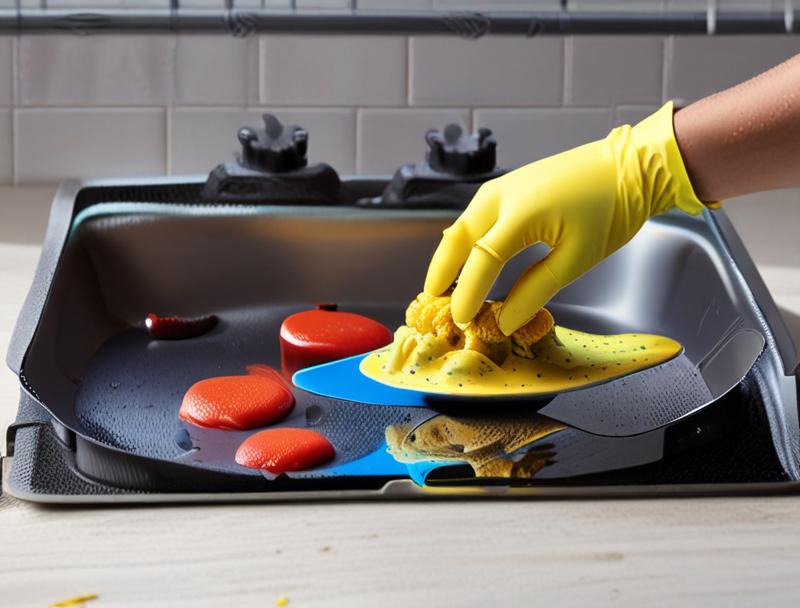
Sometimes, a quick wipe-down just isn’t enough. For really old, dried-on food, you need methods that break down the grime effectively. This section covers techniques for those challenging messes that resist normal cleaning.
The Power of Soaking
Soaking is one of the oldest and most effective ways to loosen tough food residue. It works by allowing water and cleaning agents to soften and break down hardened food particles. This makes them much easier to remove with minimal scrubbing.
- For Pots and Pans: Fill a sink or a large basin with hot water. Add a generous amount of dish soap. Submerge the dirty pot or pan. Let it soak for at least 30 minutes, or even overnight for very tough, burnt-on messes. After soaking, most food should wipe away easily with a sponge.
- For Bakeware: Similar to pots and pans, bakeware with burnt-on sugar or grease benefits greatly from soaking. Use hot water and dish soap. For really tough baked-on residue, a sprinkle of baking soda into the soaking water can boost its cleaning power.
- For Removable Parts: Components like stove grates, oven racks, or blender blades can often be soaked separately. Ensure the container is large enough to fully submerge the item. This makes cleaning these hard-to-reach areas much simpler.
Using Baking Soda and Vinegar Together
This classic cleaning duo creates a natural chemical reaction that is great for lifting dirt and grime. When vinegar (an acid) is mixed with baking soda (a base), they create carbon dioxide gas, which causes fizzing. This fizzing action helps to loosen particles from surfaces.
- Making a Paste: Mix baking soda with a small amount of water or vinegar to form a thick paste. Apply this paste directly to the stubborn food residue. Let it sit for 10-30 minutes, depending on how tough the mess is. The paste will work to break down the hardened food.
- Scrubbing Power: After the paste has had time to work, use a damp sponge or cloth to gently scrub the area. The mild abrasive nature of baking soda, combined with the loosened grime, should make removal easier. Rinse the area thoroughly with water afterward.
- For Drains: Pour about half a cup of baking soda down the drain, followed by half a cup of white vinegar. Let it fizz for 15-30 minutes, then flush with hot water. This can help remove food particles and eliminate odors.
Steam Cleaning for Stubborn Grime
Steam is a powerful natural cleaner. The heat and moisture can effectively break down grease and soften dried-on food without the need for harsh chemicals.
- Microwave Steam Method: Place a microwave-safe bowl filled with water and a tablespoon of vinegar or lemon juice inside your microwave. Heat on high power for 3-5 minutes, until the water is steaming. Let the bowl sit inside for another 5-10 minutes with the door closed. The steam will loosen any dried food inside. Then, carefully remove the bowl and wipe down the interior with a damp cloth.
- Stovetop Steam: For a stovetop, you can place a pot of water on a low-heat burner and let it steam. Be careful not to let the water boil dry. The steam will rise and help loosen grime on the surrounding surfaces. Wipe down once cooled.
- Oven Steam Cleaning: Many ovens have a steam clean function. Check your oven’s manual. This function uses a small amount of water to create steam, which helps to loosen debris. After the cycle, you can often wipe away the loosened residue more easily.
Using Natural Acids
Acids like vinegar and lemon juice can break down grease and mineral deposits. They are effective against many types of food residue.
- Vinegar’s Role: White vinegar is acidic and can dissolve grease and food particles. A spray bottle filled with a 50/50 mix of vinegar and water is a versatile cleaner. Spray it on greasy surfaces, let it sit for a few minutes, then wipe clean.
- Lemon Power: Lemon juice has citric acid, which is great for cutting through grease and leaving a fresh scent. You can use it similarly to vinegar. For a dull stainless steel sink, rubbing a lemon half over it and then rinsing can restore shine.
- Caution with Acids: While natural, acids can damage certain surfaces. Always test them on an inconspicuous area first. Avoid using vinegar or lemon juice on natural stone like marble or granite, as they can etch the surface.
Preventing Future Food Residue Buildup
The best way to deal with food residue is to prevent it from becoming a problem in the first place. A few simple habits can keep your kitchen looking cleaner with less effort. This makes future cleaning much easier and faster.
Wipe Down as You Go
This is the single most effective strategy. Don’t let spills and splatters sit.
- Immediate Cleanup: As soon as something spills or splatters, grab a cloth or paper towel and wipe it up. Most fresh spills come off with just a quick wipe. This stops food from drying and sticking.
- During Cooking: Keep a damp cloth or paper towel handy while you are cooking. Wipe down the stovetop or counters if you see any immediate mess. This habit prevents many common kitchen cleaning struggles.
Regular Cleaning Schedules
Having a routine makes cleaning feel less overwhelming. You’re tackling small messes before they become big ones.
- Daily Tasks: After cooking and eating, always rinse dishes and wipe down your sink and countertops. This takes just a few minutes but makes a huge difference.
- Weekly Tasks: Set aside time once a week for a more thorough clean. This could include wiping down appliance exteriors, cleaning out the microwave, and giving the sink a good scrub.
Protecting Surfaces
Some surfaces are more prone to staining or sticking. Protecting them can help.
- Use Mats and Liners: For areas prone to spills, like under the toaster or in the microwave, consider using a placemat or a liner. These can catch crumbs and spills, making cleanup much easier.
- Seasoning Pans: Properly seasoned cast iron pans are naturally non-stick, which helps food residue come off more easily. Regular maintenance of your cookware can prevent food from sticking in the first place.
Frequently Asked Questions
Question: How do I get burnt-on food off a non-stick pan?
Answer: For non-stick pans, avoid harsh scrubbing. Instead, fill the pan with warm water and a little dish soap, and let it soak for at least 30 minutes. For tougher spots, gently simmer water in the pan for a few minutes, then try wiping with a soft sponge.
You can also make a paste of baking soda and water, apply it to the burnt area, let it sit, and then gently wipe clean.
Question: What is the best way to clean a greasy backsplash?
Answer: A mixture of equal parts white vinegar and warm water in a spray bottle works well for greasy backsplashes. Spray the solution onto the backsplash, let it sit for a few minutes to break down the grease, and then wipe clean with a soft cloth. For tough grease, a bit of dish soap mixed with warm water can also be effective.
Question: Can I use bleach to remove old food residue?
Answer: While bleach is a disinfectant, it’s often too harsh for everyday food residue removal and can damage some surfaces. It’s usually best to start with gentler cleaners like dish soap, baking soda, or vinegar. If you do use bleach, always dilute it properly and ensure good ventilation, and never mix it with vinegar or ammonia.
Question: How often should I deep clean my kitchen?
Answer: A deep clean can be beneficial every few months, or seasonally. This involves cleaning out cabinets, behind appliances, and thoroughly scrubbing all surfaces. For daily and weekly cleaning, focus on wiping down surfaces as you use them and doing a more thorough clean of countertops and sinks regularly.
Question: My oven has really old, baked-on grease. What should I do?
Answer: For old, baked-on oven grease, you can use a commercial oven cleaner, following the product instructions carefully and ensuring good ventilation. Alternatively, a paste made of baking soda and water, applied thickly to the greasy areas and left overnight, can work wonders. Scrape away loosened residue with a plastic scraper and wipe clean.
Summary
Tackling old food residue in the kitchen is manageable with the right tools and methods. By using simple ingredients like dish soap, warm water, baking soda, and vinegar, you can effectively clean countertops, stovetops, sinks, and appliances. Soaking and steaming are great for tough spots.
Regular wiping as you cook and clean makes a big difference. Keep these tips handy, and your kitchen will be sparkling clean!